
Lieferung heute & morgen

Qualitätsgarantie

Willkommens-Angebote freischalten: KOSTENLOSE Lieferung | Bis zu 80 % RABATT | Kostenlose 30-Tage-JoyPlus-Testphase
App herunterladen
By Joybuy Product Recommendation OfficerDate: 19 July 2026
For many, Brandt Rusk is a pantry staple—a crispy classic that has been enjoyed for generations. But when shopping at the supermarket or online, the question often arises: which variety is the right one? Alongside the traditional Classic Rusk, there are now options like Whole-Grain Rusk or Rusk with No Added Sugar.
This article serves as your guide. We will introduce the different types of Brandt Rusk and explain their key features, enabling you to make an informed decision that suits your needs and lifestyle.
Choosing the right rusk depends on your personal preferences and dietary goals. Here are three objective criteria to help you decide.
The classic Classic Rusk gets its characteristic flavour, in part, from added sugar. For those looking to reduce their sugar intake or who prefer a less sweet option, a close look at the ingredients list is crucial. The rusk with no added sugar option omits refined sugar, glucose syrup, and other sweeteners, providing a more neutral-tasting base for sweet or savoury toppings.
The type of flour used affects both the taste and the nutritional value of the rusk. While the classic is made from wheat flour, Whole-Grain Rusk is made with a high proportion of whole-grain flour. This contains more dietary fibre, which can help you feel full for longer. For a fibre-conscious diet, the whole-grain variety is therefore worth considering.
Rusk is available in various pack sizes. For families or those who eat rusk regularly, a Brandt Rusk Double Pack can be a practical and often more economical choice. However, if you only enjoy them occasionally or want to try different varieties, the standard packs are a better fit. Also, consider the intended use: different types are suitable for different purposes, whether as an easily digestible food for an upset stomach or as an ingredient in desserts like rusk cake.
Based on the criteria mentioned, we have compiled a selection of different Brandt Rusk varieties to highlight their differences.
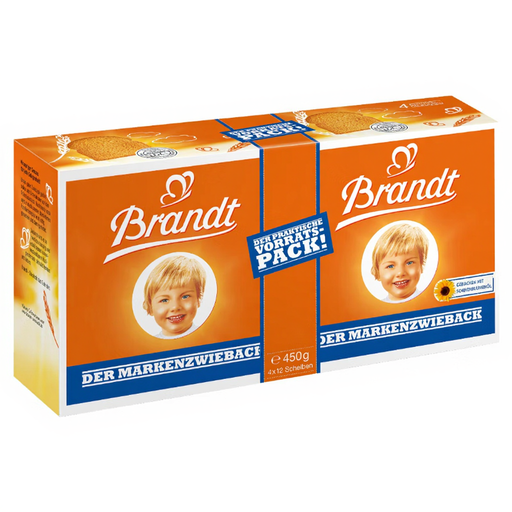
Why It Stands Out: This is the unmistakable classic, made according to a traditional family recipe. The rusk is first baked and then toasted, which gives it its golden-yellow colour and light and crispy texture. The double pack is ideal for stocking up the pantry.
Pros:
Who It's For: For fans of the traditional flavour, families, and anyone who wants to have a reliable supply of the classic at home.
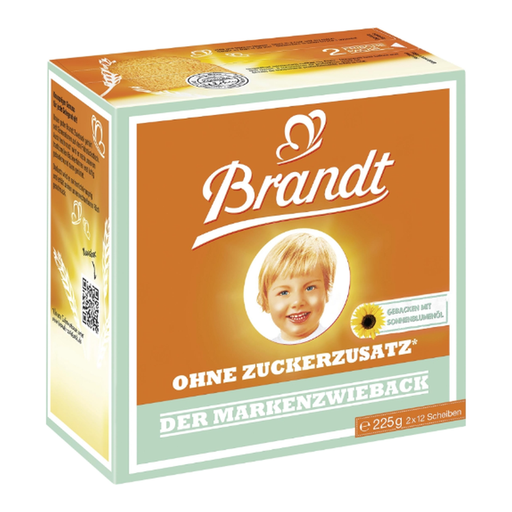
Why It Stands Out: This variety offers the full rusk experience but completely omits added sugar or sweeteners. According to the manufacturer, no glucose syrup, fructose, invert sugar, or barley malt extract is used. The classic texture is fully preserved.
Pros:
Who It's For: For health-conscious consumers, individuals who want or need to avoid sugar, and anyone looking for a neutral crispy base for versatile toppings.
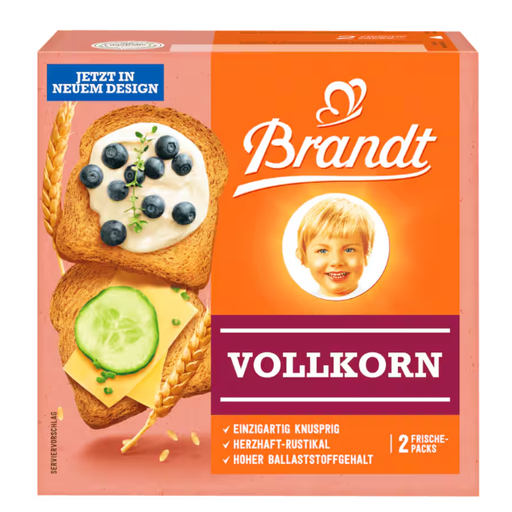
Why It Stands Out: With 74% whole-wheat flour, this rusk is a high-fibre alternative to the classic. The higher whole-grain content gives it a richer, slightly nutty flavour and a somewhat firmer texture.
Pros:
Who It's For: For those aiming for a high-fibre diet, who appreciate the taste of whole-grain products, and are looking for a satisfying snack.
If you are also interested in other crispbreads or crackers besides rusk, you will find a wide selection in our range. Discover more products for your breakfast or snack time.
? Discover our entire range of crispbreads & crackers here
Due to its easily digestible and dry texture, rusk has traditionally been used in complementary feeding, for example, for babies to nibble on while teething. However, the suitability of rusk for babies should be assessed individually by parents. It is advisable to check the ingredients list, especially the sugar and salt content. The "no added sugar" variety could be worth considering here. As a general rule, it is recommended to discuss the introduction of new foods into an infant's diet with a paediatrician or midwife.
To preserve its characteristic crispiness, rusk should be stored in an airtight container after opening the package. A cool, dry place is ideal. This prevents the rusk from absorbing moisture from the air and becoming soft.
The main difference lies in the flour used. Regular Classic Rusk is made from light wheat flour (refined flour). For Whole-Grain Rusk, however, flour from the entire grain kernel is used, including the bran and germ. This results in a higher content of dietary fibre, vitamins, and minerals, as well as a richer flavour and a darker colour.