What should you look for when buying?
First, check that the slices are suitable for the sandwiches you’re planning to make or for toasting. Then compare the pack size and storage instructions with the length of your trip. If you have specific ingredient requirements, the labelling on the individual pack takes priority.
| What to consider |
What to check when buying |
Who it matters to |
| Storage and pack size |
Check that the pack size and storage instructions after opening suit the amount of bread you expect to eat. |
If I have limited storage space, I don’t want to carry an opened pack around for longer than necessary. Storage would be the most important buying criterion for around 33% of consumers. |
| Slices for sandwiches |
Check the thickness, number and condition of the slices; the word ‘sandwich’ on its own doesn’t confirm a particular thickness. |
For group meals with fillings, I need slices that suit the portions I’m planning. Around 25% of consumers would put suitability for sandwiches first. |
| Wholemeal and nutritional values |
Compare the ingredients list, wholegrain content and nutritional information per 100 g. |
If bread is a regular part of my meals, I want to choose between wholemeal products and other types of bread. This comparison would be the main consideration for around 25% of consumers. |
| Allergens and gluten-free labelling |
Read the ingredients and allergen information, and look for an explicit gluten-free label where relevant. For frozen products, check the defrosting instructions too. |
If I have specific ingredient requirements, I need to know exactly what’s in the pack and how it should be stored. Around 17% of consumers would make this check a priority. |
Bread products at Joybuy
Choose from Pumpernickel in a 500-g pack and Danish Toast in an 85-g pack. Before buying, check the specific product to see whether its slices are the medium thickness you’re looking for.
 No image available
Mestemacher Westphalian Pumpernickel, 500 g
The 500-g pack may suit you if you’re planning to eat Pumpernickel over several meals and can store the opened pack appropriately.
Check the slice thickness and number of slices, as well as the storage instructions after opening. If you have specific ingredient requirements, refer to the allergen information on the current pack.
View at Joybuy
 No image available
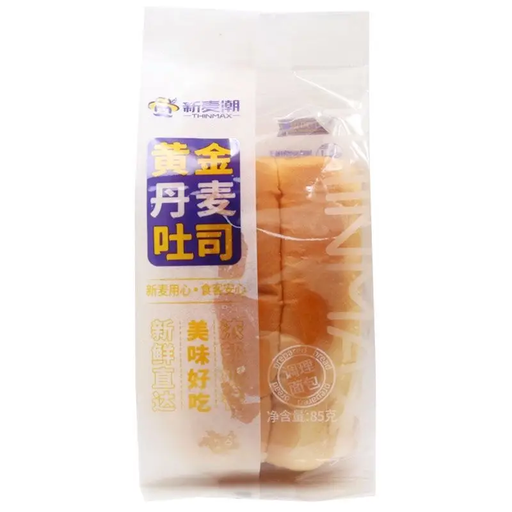
Thinmax Golden Danish Toast, 85 g
The 85-g pack may be a good choice for a small planned portion of bread.
Before buying, check the slice thickness and number of slices. Also check the storage and consumption instructions after opening before you set off.
View at Joybuy
Frequently asked questions
How should I store opened toast or sandwich bread when camping?
Keep it dry and follow the storage instructions on the pack. The Verbraucherzentrale generally recommends storing bread at room temperature; when you’re away, seal an opened pack well and protect it from moisture.
Can I still eat toast bread after its best-before date?
The best-before date doesn’t automatically mean the bread has gone off. It applies to an unopened pack stored correctly. Check the bread before eating it, and if you see any mould, throw away all the affected bread, as the Verbraucherzentrale recommends.
What should I check for allergens and nutritional values in toast bread?
Read the ingredients and allergen information on the current pack, and compare nutritional values using the same basis, such as per 100 g. This lets you compare details such as sugar, fat, protein and salt across products without assuming the ingredients from the type of bread.
Is frozen gluten-free toast bread suitable for a camping trip?
It’s only an option if you can follow the storage and defrosting instructions for the specific product. Fria Classic Toast, listed by REWE, must be stored at −18 °C; once defrosted, it should be eaten within two days and must not be refrozen.


