What to look for when buying
First check that the dough process and maximum capacity suit your recipe. Then consider the settings, cleaning requirements and steps you’ll need to do outside the machine.
| Consideration |
What to check |
Who is this important to? |
| Kneading and removing the dough |
Check whether the machine has a dough programme or separately adjustable kneading and proving phases, and find out when you can remove the dough. |
If I want the machine to handle the dough and then shape the rolls by hand, I need a process that lets me remove the dough at the right point. Around 36% of consumers put the dough function first. |
| Batch size |
Compare the flour quantity in your recipe with a stated limit specifically for yeast dough, and plan how many batches you’ll need. Rommelsbacher specifies a maximum of 500 g of flour for yeast dough in the BA 550; Unold’s stated loaf weight for the Backmeister Big is not a confirmed yeast dough capacity. |
If I’m preparing several trays for a bazaar, I want to know how many batches of dough my recipe requires. Around 29% of consumers prioritise batch size. |
| Adapting your recipe |
Check the instructions for separately adjustable kneading and proving phases or a custom programme, and allow time for a trial run. |
If my own yeast dough recipe needs different phases, I want to be able to tailor the process. Around 21% of consumers prioritise recipe customisation. |
| Cleaning and spare parts |
Check the cleaning instructions for the tin and kneading blade, and match spare parts to the exact model number. |
If I’m making several batches in a row, cleaning and finding spare parts that fit are also important to me. Around 14% of consumers prioritise maintenance and replaceability. |
Related products at Joybuy
This selection includes bread makers that may be suitable for preparing dough. Before you buy, check that the programme and capacity are suitable for sweet yeast dough.
 No image available
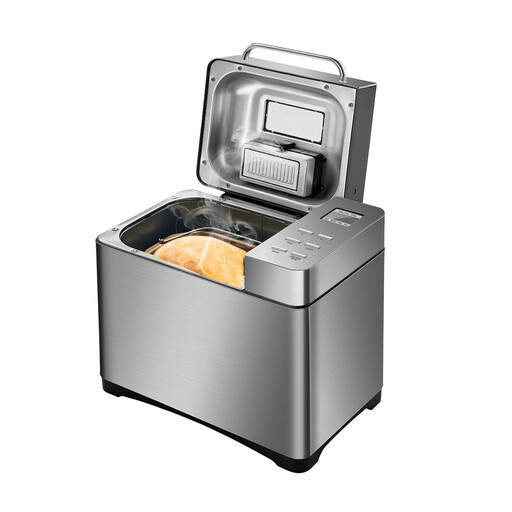
650W bread maker, 19 programmes, 2.2 lbs, silver
The product description lists a dough programme; check that its process and capacity are suitable for sweet yeast dough.
- 650W
- 19 programmes, 3 browning levels and 3 loaf sizes
- 15H timer and 1H keep-warm function
- Non-stick bread tin; capacity: 2.2 lbs
View at Joybuy
 No image available
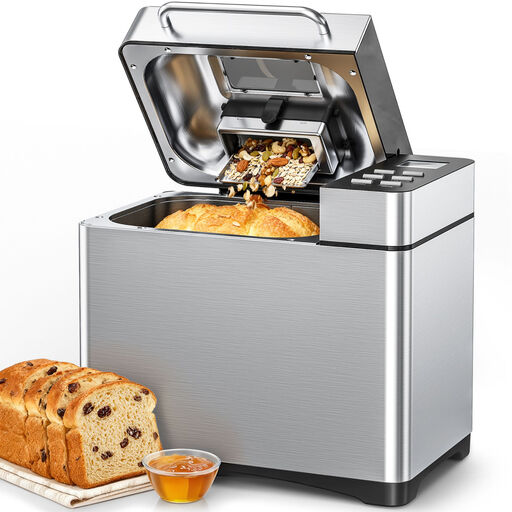
HavenWell bread maker, 19 programmes, 1kg, silver and black
The product title lists a pizza dough programme; check whether its process is also suitable for sweet yeast dough.
- 19 programmes and 1kg capacity
- Automatic ingredient dispenser
- 3 sizes and 3 browning levels
- 15-hour timer; stainless steel
View at Joybuy
 No image available
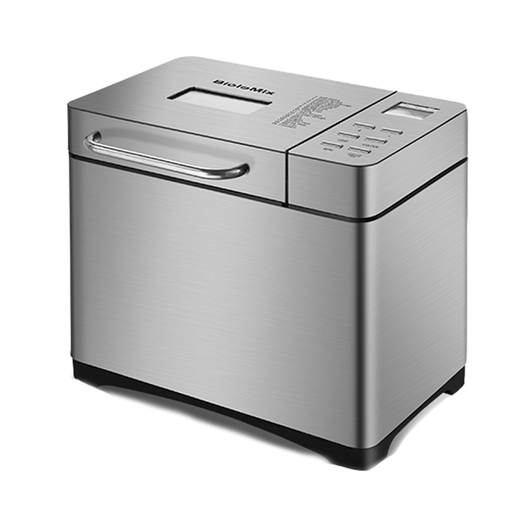
BioloMix BBM013 bread maker, 17 programmes
The product title lists 17 programmes; check which ones are designed for the sweet yeast dough you want to make.
- 17 programmes
- Dual-tube baking function
- Automatic fruit and nut dispenser
- 1-hour keep-warm function and delay timer of up to 15 hours
View at Joybuy
Frequently asked questions
Does the bread maker bake the shaped cinnamon rolls too?
No. Panasonic’s documented recipe uses the machine to prepare the dough. After that, the cinnamon rolls are rolled out, filled and shaped, left to prove again and baked in the oven.
Can I use the stated loaf weight as the maximum quantity for yeast dough?
Not as a general rule. For the BA 550, Rommelsbacher distinguishes between a finished loaf weight of up to 900 g and a maximum of 500 g of flour for yeast dough. The manufacturer also points out how high dough that rises a lot can get.
Can the BA 550’s tin and kneading blade go in the dishwasher?
Rommelsbacher advises against it and recommends washing the tin and kneading blade by hand.
Which spare parts should I check for my bread maker?
Match spare parts to the exact model number. Unold, for example, lists replacement kneaders for certain Backmeister Big variants; this does not mean they’ll fit other machines.
Do allergens need to be labelled at a bazaar?
It depends on how the bazaar is organised, and how often and in what way food is sold or given out. Lebensmittelklarheit, a resource from the consumer advice centres, explains that occasional private cake sales at charity or club events are not subject to the labelling requirement described for ongoing commercial sales. For those responsible for providing unpackaged food, § 4 LMIDV sets out allergen information requirements. Check your specific circumstances with the event organiser and, if in doubt, with your local food safety authority.


