Small batches of rolls
If you only want to make a few rolls, check whether the dough hook can reach and work the small recipe quantity. Rommelsbacher points out that there needs to be enough dough in the tin for it to knead properly.


If you want to shape the rolls yourself, choose a bread maker with a dedicated roll or yeast dough programme, and check the recipe quantity for that exact model. The weight of a small loaf doesn’t tell you whether the dough hook can reliably handle a small batch of rolls. Shaping and baking the rolls are still extra steps.
If you only want to make a few rolls, check whether the dough hook can reach and work the small recipe quantity. Rommelsbacher points out that there needs to be enough dough in the tin for it to knead properly.
A dough programme can do the kneading, leaving you to shape the rolls and bake them in the oven. Gastroback specifically lists roll dough as a use for model 42823.
If worktop space is limited and you have other baking plans too, compare the appliance’s dimensions, the programmes you want and the loaf sizes together. Panasonic gives the dimensions of the SD-PN100 as 255 × 307 × 290 mm.
First, check that the programme and recipe suit the type of rolls you want to make. Then compare the smallest suitable dough quantity with the space available, your other baking plans and the care requirements.
| What you’re looking for | What to check before buying | Who should consider this? |
|---|---|---|
| Kneading small amounts of dough | Check the recipe and flour quantities against the instructions for the dough programme on the specific model. | If I’m only making a small batch, I want to know whether the dough hook can reach and work the recipe quantity. Around 36% of consumers put reliable kneading of small batches first. |
| A suitable roll dough programme | Look in the manual for a roll or suitable yeast dough programme, and check how it works. | If you want the machine to prepare the dough but plan to shape the rolls yourself, the right programme is especially important. Around 29% of consumers prioritise preparing dough for rolls that can be shaped by hand. |
| Worktop space and other baking plans | Compare the appliance’s dimensions, including the room needed to open the lid, with the programmes you’ll actually use. | If worktop space is limited and you also want to use the appliance for other types of baking, both its size and programme selection matter. Around 21% of consumers put this trade-off first. |
| Cleaning and replacement parts | Check the care instructions and, if needed, search for a dough hook or bread tin using the full model name. | If you plan to make dough regularly, you’ll want to know how to care for the tin and whether suitable parts are available. Around 14% of consumers prioritise care and replacement parts. |
The stated bread size describes a loaf; it doesn’t automatically tell you the smallest amount of dough the hook can knead properly. Rommelsbacher says smaller quantities can be processed as long as there’s enough dough in the tin.
Compare your roll recipe with the instructions for the exact model, rather than using the smallest loaf size to work out the minimum dough quantity.
A pizza dough programme doesn’t automatically mean the appliance has a suitable programme and recipe quantity for roll dough. Panasonic lists pizza dough for the SD-PN100; Gastroback specifically lists roll dough for model 42823.
Check the programme and recipe for the exact model before settling on a particular type of dough.
Rommelsbacher advises against putting the BA 550 in the dishwasher, as dishwasher salt can damage the non-stick coating.
Follow the care instructions for your model and check replacement parts against the full model name.
The Design Automatic Bread Maker Advanced 42823 is worth considering if you’re looking for a model with a dedicated roll dough programme.
The BA 550 has a kneading programme and several loaf sizes, making it an option if you plan to make whole loaves as well as dough.
The SD-PN100 is a compact option for smaller loaves and limited worktop space.
The Pain Dore PF2101 is worth considering if you want to bake whole loaves in different sizes as well as make dough.
This selection at Joybuy includes bread makers for households comparing loaf sizes and programmes for different baking needs. For small batches of rolls, check that the programme and recipe quantity suit the specific type of dough and model.
 No image available
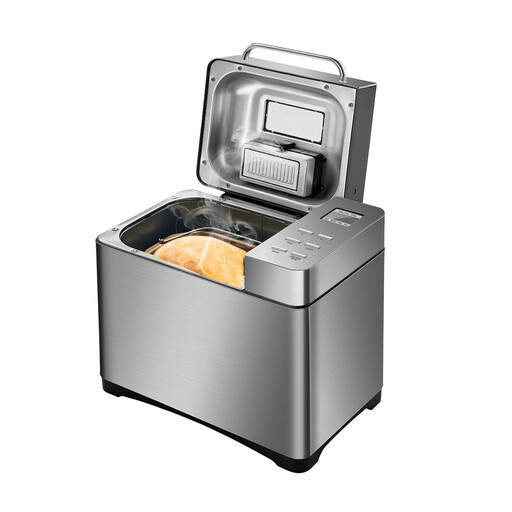
The product description lists dough preparation as a programme. Check the manual to see whether it’s suitable for your roll recipe.
Features include three crust settings, three loaf sizes, a 15-hour timer, a 1-hour keep-warm function, a non-stick tin and a capacity of 2.2 lbs.
 No image available
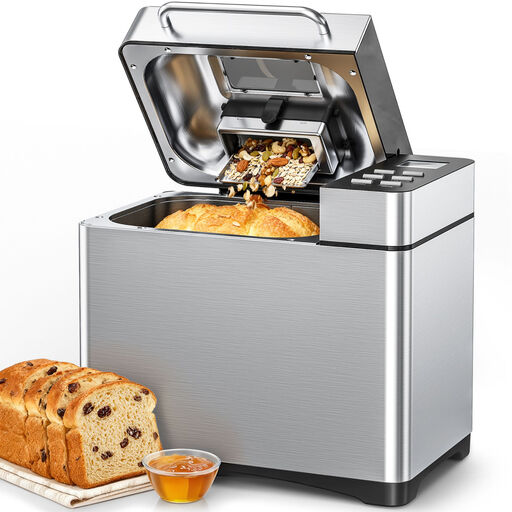
If you also want to make pizza dough, check whether the programme listed for it suits your recipe; this doesn’t mean the appliance is suitable for roll dough.
The product title lists a 1 kg capacity, three loaf sizes, three crust settings, an automatic ingredient dispenser and a 15-hour timer.
 No image available
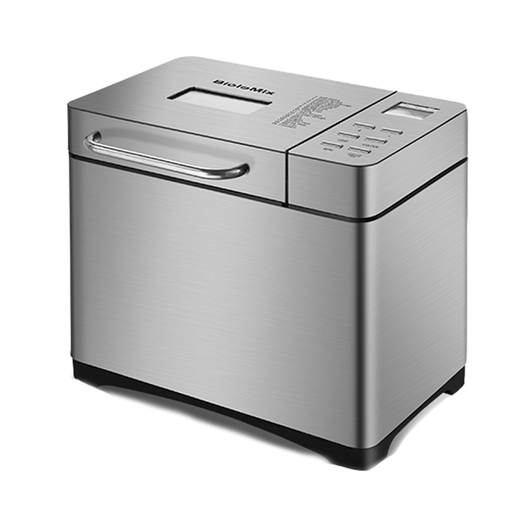
If you want to make small batches of rolls, check the manual to see whether any of the 17 menus offers a suitable dough programme and recipe quantity.
The product title lists 17 menus, an automatic fruit and nut dispenser, a 1-hour keep-warm function and a start timer with a 15-hour delay.
A dough programme prepares the dough; you then shape the individual rolls and bake them yourself. Panasonic’s recipe for chocolate rolls describes shaping them and baking them in the oven.
Not without checking the recipe and programme for the exact model. Panasonic specifically excludes a chocolate roll recipe using 500 g of flour from the SD-PN100. Rommelsbacher points out that small quantities still need to provide enough dough for proper kneading.
For the Rommelsbacher BA 550, the manufacturer advises against it because dishwasher salt can damage the non-stick coating. Follow the care instructions for other models.
Your statutory rights are against the seller and are separate from any voluntary guarantee. If a product is faulty, the first step may be to request a repair or replacement. The Verbraucherzentrale also distinguishes these statutory rights from the additional right to repair, which, according to its guidance, applies to certain product groups; this does not establish a specific manufacturer’s obligation to repair bread makers.
The Bundesnetzagentur lists CE marking, identifiable manufacturer details and German-language instructions with the required warnings among the points to check. A bread maker that has reached the end of its life should go to a separate collection point for waste electrical equipment; the Umweltbundesamt generally describes municipal collection points as a free way to return it.