Households sharing an oven
If you want to bake bread pudding while someone else needs the oven, check whether there’s a safe space for a countertop appliance that you can plug in and use as a second cooking space.


If your existing oven works but is in use when you need it, a suitably positioned countertop oven can give you a second cooking space that you can use independently. A single built-in oven or freestanding cooker won’t solve the timing clash on its own, so start by considering the recipe, the actual size of your dish, and a safe place to position and connect the appliance. A replacement is most likely to make sense if you’re already planning to replace your kitchen or cooker.
If you want to bake bread pudding while someone else needs the oven, check whether there’s a safe space for a countertop appliance that you can plug in and use as a second cooking space.
Measure your baking dish, including its handles and height, before choosing a countertop oven. The Dr. Oetker recipe uses a dish with a capacity of about 3 l; manufacturer details such as diameter or oven capacity don’t guarantee that every dish will fit.
If you’re already replacing your main oven or a cooker with a hob, check the appliance dimensions, housing unit and installation location against your kitchen. Bosch, Siemens and Beko provide dimensions and appliance specifications for individual models.
Suitable if: the existing oven is in use when you want to bake, and you have a safe place to position the appliance and a suitable connection.
Consider: It gives you a second cooking space but takes up worktop space; your dish also needs to fit inside.
Suitable if: you’re replacing a main oven and have a suitable housing unit.
Consider: A single built-in oven doesn’t give you a second cooking space that you can use independently.
Suitable if: you need both a hob and an oven, and have the space and a suitable connection.
Consider: A cooker with just one oven won’t provide an additional cooking space when you need to cook at different oven temperatures at the same time.
Suitable if: you can agree on a time slot for preheating and baking.
Consider: This avoids buying another appliance, but won’t help if you need to use the oven at the same time for recipes requiring different temperatures.
| Priority | What to check when buying | Who is it important to? |
|---|---|---|
| Second cooking space | Check whether you need to cook at the same time, and whether there’s a safe place to position the appliance and a suitable connection. | If you want to bake bread pudding while the shared oven is in use, having a second cooking space that you can use independently matters. Around 36% of consumers put this priority first. |
| Dish size and heating method | Check your dish, including its handles and height, against the rack area and available space inside; compare the heating method with the recipe. | If you use a larger or deep baking dish, you’ll want to make sure it fits inside and that the heating method is right for the recipe. Around 29% of consumers prioritise dish fit and portion size. |
| Kitchen and appliance type | Check the dimensions of the housing unit or installation space, as well as the connection requirements for the specific appliance. | If you’re already replacing your cooker or kitchen, the appliance type needs to suit the housing unit, available space and whether you need a hob. Around 21% of consumers prioritise finding an appliance that fits their kitchen layout and installation space. |
| Energy consumption | Compare consumption figures only when they’re based on the same measurement method and a comparable operating mode. | If you use your oven regularly, you’ll want to compare energy consumption on a like-for-like basis without treating an efficiency rating as the cost of cooking one particular recipe. Around 14% of consumers prioritise running costs. |
A single built-in oven or freestanding cooker won’t give you an additional cooking space that you can use independently. The timing clash could still be an issue.
If your existing oven works, first consider whether you can agree on baking times or whether you really need a second oven.
The Dr. Oetker recipe specifies a baking dish with a capacity of about 3 l. Diameter alone doesn’t tell you whether a deep or rectangular dish, or one with handles, will fit.
Measure your dish and check its dimensions against the usable interior space and the specifications for the particular appliance.
Depending on the oven’s capacity, you may need a smaller baking dish or have to divide the mixture into several portions.
For household ovens covered by the rules, energy consumption figures relate to a standard baking cycle. According to the European Commission, small and portable ovens aren’t covered by the same energy labelling rules.
Compare energy consumption figures only when they’re based on the same measurement method and a comparable operating mode. Don’t assume an efficiency rating alone tells you how much you’ll save when making bread pudding.
Rommelsbacher lists a capacity of 42 l, top and bottom heat, fan-assisted settings and a 120-minute timer for its BG 1805/E countertop oven.
Severin lists a capacity of about 20 l and a 60-minute timer for its TO 2067 countertop oven.
Bosch lists a usable capacity of 71 l and appliance dimensions of 595 × 594 × 548 mm for its HBA3140B4 built-in oven.
Siemens lists a usable capacity of 71 l and 3D hot air for its HB314G0S3 built-in oven.
Beko describes the FSM69301SXT as a 60 cm-wide freestanding cooker with an induction hob and a 72-l oven.
The appliances below include additional countertop ovens, as well as options for replacing a built-in oven or a freestanding cooker with an oven.
 No image available
This model could work as an additional countertop appliance if you’re looking for a second cooking space and your dish fits inside.
32 l; 1.600 W; temperature range 100–250 °C; 60-minute timer; removable crumb tray.
 No image available
This countertop appliance is an option if you need a second cooking space and your dish fits in the usable oven cavity.
28 l; temperature range 100–230 °C; top heat, bottom heat and combined heat; 60-minute timer; three adjustable shelf positions.
 No image available
This appliance is an option for replacing an existing built-in oven if it suits your kitchen layout; it won’t give you a second cooking space on its own.
71 l usable capacity; 4D hot air; simultaneous cooking on up to four levels. According to the product description, installation must be carried out by a qualified professional.
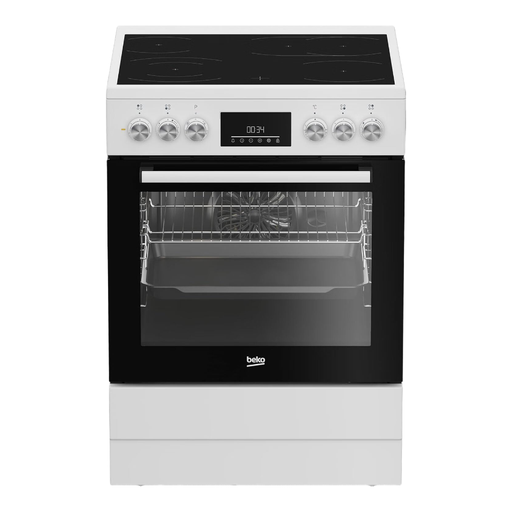 No image available
This combination could suit you if you also need a freestanding cooker with a hob; a single oven cavity won’t give you an additional cooking space.
60 cm wide; 72 l; ceramic hob; eight heating functions, including fan-assisted cooking; SteamShine cleaning according to the product description.
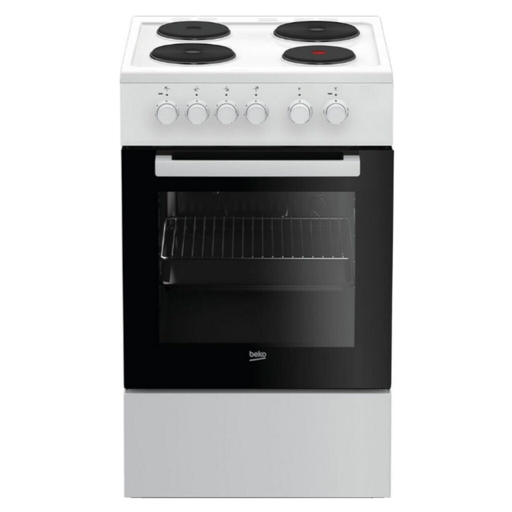 No image available
This freestanding combination is designed to replace a hob and oven, not to provide a second independent cooking space.
50 cm wide; 60-l oven; warming drawer.
No. Follow the instructions for the specific recipe and check that your appliance offers the right heating method. The Dr. Oetker recipe calls for about 200 °C with top and bottom heat, or about 180 °C with fan-assisted cooking, and a baking time of around 45 minutes. Rommelsbacher says that, in principle, you can use the recipe temperatures and timings for the small ovens mentioned, although you may need to adjust the quantity. This is the manufacturer’s recommendation, not a guarantee for every recipe or dish.
Follow the instructions for the model you buy. The manufacturer’s instructions for the Severin TO 2067 require a properly installed earthed socket and a mains voltage that matches the rating plate. Unplug the appliance and let it cool before cleaning; surfaces you can touch may become very hot during use.
Not necessarily. According to the European Commission’s published guidance, small and portable ovens are outside the scope of the oven energy label. For ovens covered by the rules, energy consumption figures relate to a standard baking cycle, not to your individual bread pudding recipe.
Your statutory rights relating to faulty goods are generally against the seller and are separate from any voluntary guarantee. Section 438 of the German Civil Code (BGB) generally sets a two-year limitation period from delivery for claims relating to faults in ordinary purchased goods; the details depend on the purchase and the claim in question. The consumer advice centre also explains the difference between statutory rights and a guarantee.
The Bundesnetzagentur explains that by applying the CE marking, the manufacturer declares under its own responsibility that the product meets the legal requirements that apply to the marking. It isn’t an independent endorsement of the oven’s cooking performance.