For bread pudding for a cake sale, first check the number and external dimensions of your dishes against the available worktop or built-in space. A large built-in oven may give you more room for several dishes, while a freestanding mini oven is better suited to smaller batches if you don’t have an oven housing. Then compare heating functions, cleaning requirements and, for built-in ovens, energy consumption per standard baking cycle. Extra programmes alone are no guarantee of better results.
Which type of oven might suit you
Market bakers with several dishes
If you’re planning several portions, consider the size of your dishes, the usable oven capacity and the number of batches you may need to bake. Bosch Hausgeräte and Beko Deutschland list the capacity and features of their built-in ovens, which can help you make this comparison.
Bakers without space for a built-in oven
A freestanding oven may be an option if you don’t have an oven housing and can fit smaller batches into your schedule. Severin lists a capacity of 20 l for the TO 2067; the key question is whether your dish will fit inside.
Everyday users looking to keep the effort down
If you plan to use the oven regularly after the event, weigh up energy consumption and cleaning alongside the features you need. The Verbraucherzentrale explains energy use per standard baking cycle, while Bosch Hausgeräte and Beko Deutschland list different cleaning functions for specific models.
What to look for when buying
Large built-in oven
A good fit if: You have space for a built-in oven and are planning to make several or larger dishes for the cake sale.
Things to weigh up: The installation dimensions, dish height and usable shelf space all need to work together. Multiple shelf levels don’t guarantee even results.
Freestanding mini oven
A good fit if: You don’t have space for a built-in oven and smaller batches will be enough.
Things to weigh up: The smaller capacity may mean extra baking cycles. Check the rack and dish dimensions beforehand.
Built-in oven with basic features
A good fit if: Built-in space and oven capacity matter most, but extra convenience features are not a priority.
Things to weigh up: Compare the heating functions, energy use and cleaning features of the specific model. Its features don’t guarantee better bread pudding.
| Buying priority |
What to check |
Who it matters most to |
| Space and batch size |
Check your dishes, including their handles, against the usable shelf space and clearance above them. The capacity in litres alone won’t tell you whether a dish will fit. |
If I’m planning to take several dishes to the market, I need to think about oven capacity and baking cycles together. Around 33% of consumers are likely to prioritise batch size. |
| Positioning and installation |
For built-in appliances, check the housing dimensions and installation requirements. For worktop models, make sure the available space and power connection suit your kitchen. |
If I don’t have an oven housing, I need an appliance that can be placed in the space I have. Around 27% of consumers are likely to prioritise where the oven will go. |
| Heating function and cooking performance |
Check the heating functions available on the specific model and follow the recipe to check whether the centre is cooked through. Multiple shelf levels don’t automatically mean the cooking times will be the same. |
If the right heating function and checking the centre matter to me, I’ll want to match the settings to the recipe. Around 20% of consumers are likely to prioritise this. |
| Energy use and cleaning |
For built-in ovens, compare the kWh per standard baking cycle and the cleaning method for the specific model. Actual costs also depend on how you use the oven and your energy tariff. |
For everyday use later on, I want to weigh up running costs and cleaning alongside the features I need. Around 20% of consumers are likely to prioritise energy use and cleaning. |
Common oven-buying misconceptions
-
Assuming the oven capacity means your baking dish will fit
An oven’s capacity and external dimensions don’t tell you whether a dish, including its handles, will fit on the rack.
Compare your dish dimensions with the usable shelf space and check the clearance above it.
If the dish doesn’t fit, you may need to bake in extra batches.
-
Assuming multiple shelf levels guarantee evenly cooked bread pudding
A manufacturer’s claim that an oven has multiple shelf levels doesn’t prove that every dish and batch will cook evenly. The depth of the mixture and how well the centre is cooked still matter.
Match the settings to your recipe and dish, and check every batch.
-
Converting the energy rating straight into a cost per market portion
Energy use per standard baking cycle doesn’t automatically tell you the cost of baking your particular batch or how many cycles you’ll need. Your actual electricity costs also depend on how you use the oven and your tariff.
Consider the kWh figures, usable capacity and likely number of baking cycles separately.
A guide to notable oven brands
Severin
Freestanding mini ovens for baking and toasting, suited to kitchens without space for a built-in oven. The TO 2067 is one example for smaller batches.
- Severin lists a 20 l capacity, top and bottom heat, and a 60-minute timer for the TO 2067.
- The manufacturer doesn’t list a fan function for this model. A particular rectangular dish may not fit, so check the usable dimensions.
Bosch
Built-in ovens for kitchens with a suitable housing. The HBA571BB4 is one example, with the manufacturer stating that it can be used across multiple shelf levels.
- Bosch Hausgeräte lists 3D hot air for up to three levels, as well as pyrolytic and hydrolytic cleaning, for the HBA571BB4.
- These manufacturer claims don’t prove that bread pudding will cook evenly across three levels. The appliance dimensions must fit your oven housing.
Beko
Built-in ovens with a range of features. The BBIM12300X is one example with a stated oven capacity.
- Beko Deutschland lists a 72 l capacity, eight heating functions and SteamShine steam cleaning for the BBIM12300X.
- These details don’t prove that it performs better than other brands or that a particular baking dish will fit.
Joybuy products for different baking plans
The Joybuy products below range from mini and pizza ovens to built-in ovens and cookers. Check each model to see whether your dish will fit and whether the appliance type suits your kitchen and baking plans.
 No image available
Comfee built-in oven, 60 cm, 70 l, black
The stated oven capacity may help when choosing an oven for several baking cycles. Check the usable dimensions against your dish.
3 kW; circulating heat, grill and pizza function; AquaClean steam cleaning; LED display with timer; ECO mode; energy class A.
View at Joybuy
 No image available
WOLTU BF12sz mini oven, 32 l, 1600 W
May suit smaller batches if your dish and the rack are a good fit for one another.
Temperature range 100–250 °C; timer; crumb tray; specified for baking and grilling.
View at Joybuy
 No image available
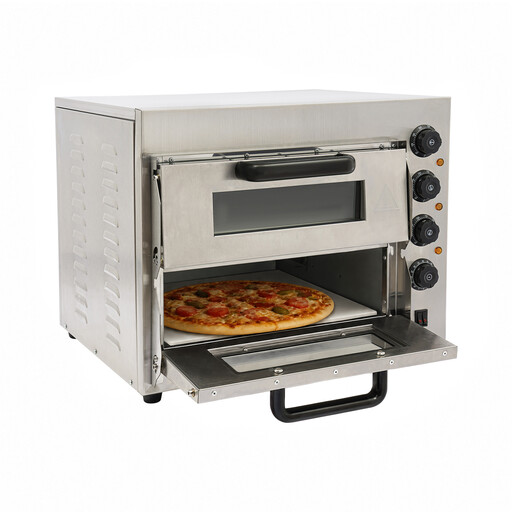
Electric double-decker pizza oven, 3000 W, 20 l
Listed as a pizza oven. Consider it for bread pudding only if your dish dimensions and cooking method are suitable for the appliance.
Temperature range 50–350 °C; 1–60-minute timer; specified for pizzas up to 14 inches; 201 stainless steel; dimensions 57 × 47.5 × 44 cm.
View at Joybuy
 No image available
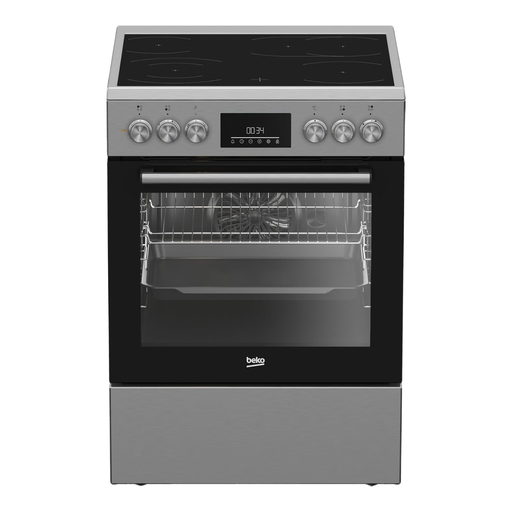
Beko FBM67320XS freestanding cooker, 60 cm, 72 l, stainless steel
The stated oven capacity may be useful when planning several baking cycles. Also check that you have room for the whole appliance.
SteamShine steam cleaning; eight heating functions; energy class A.
A 240 V connection is specified; make sure the location and connection are suitable.
View at Joybuy
 No image available
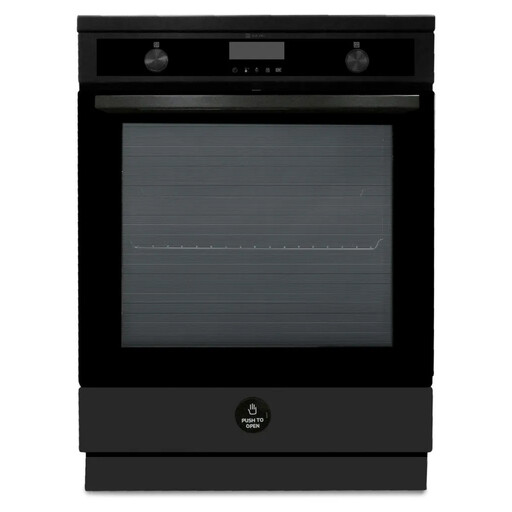
AEG CIB6499APB freestanding induction cooker, 73 l, 4-zone hob
May be worth considering for larger baking plans if the cooker and hob suit your kitchen and the available connection.
Pyrolytic oven; nine heating methods; temperature range 30–300 °C.
A 230 V, 16 A connection is specified; installation must be carried out by a qualified electrician.
View at Joybuy
Frequently asked questions
Is a mini oven big enough for bread pudding for a market?
A mini oven may work if your dish fits on the usable shelf space and you have time for several smaller baking cycles. Severin lists a capacity of 20 l for the TO 2067, but the capacity alone doesn’t confirm that your dish will fit.
How can I tell if bread pudding containing eggs has been heated sufficiently and will stay chilled until it’s sold?
Check more than just the browning: make sure the centre is cooked too. The German Federal Institute for Risk Assessment recommends a core temperature of at least 70 °C for at least two minutes to reduce possible pathogens in eggs. Perishable foods should be kept chilled until they’re eaten. An oven won’t keep food at a safe temperature during transport or sale.
How can I estimate an oven’s electricity costs?
The EU energy label gives energy use per standard baking cycle for conventional heat or fan-assisted cooking; it doesn’t show the cost of making your particular bread pudding. The Verbraucherzentrale explains this measure. Your own costs also depend on how often you use the oven and your electricity tariff.
What should I know about allergen information and any required infection prevention briefing?
If you sell food regularly or commercially, check the rules that apply to your situation with the relevant authority. The federal portal states that anyone starting commercial work or employment in the food sector for the first time needs a certificate confirming they have received an infection prevention briefing. Lebensmittelklarheit covered occasional private sales at charity events on 26 June 2020; this information doesn’t replace checking the rules for your particular situation. Keep reliable ingredient information ready in case anyone with allergies asks.


