When choosing a bread roll for baby-led weaning, don’t decide based on the type or pack size alone. First consider whether your child can grasp and swallow solid foods, and what texture the particular roll has once prepared. The Gesund ins Leben network points out that, with baby-led weaning, nutrient intake depends on the food offered and what the child actually chooses to eat. A bread roll can therefore only be part of the weaning diet. When shopping, it’s worth checking how much you need, along with the ingredients and allergens in the specific product.
Who these choices matter to
Families just starting baby-led weaning
Before bread rolls are considered as finger food, your child needs to be able to grasp and swallow solid foods. The BIÖG highlights this point. The Gesund ins Leben network also recommends discussing nutrient intake with a paediatric practice if your child is having exclusively solid complementary foods.
Families who buy bread rolls regularly
If you want to plan how much your household gets through, compare pack weight and number of rolls, and consider whether you’ll use a larger pack in full. Packaged products and fresh individual rolls call for different approaches to storage and preparation.
People checking ingredients and allergens
For each specific variety, check its current product information rather than relying on labels such as wheat, multigrain or wholemeal. For packaged products, check the labelling; for loose products, ask about allergen information in store.
What to look for when shopping
First, check whether solid complementary foods are suitable for your child yet. Then compare specific bread rolls based on their ingredients, the amount you need and how much preparation they require.
Packaged bake-at-home rolls
A good choice if: you can compare pack sizes, ingredients and allergens before buying, and prepare the rolls.
Bear in mind: baking the rolls takes time; always check the ingredients and allergens on the pack you actually buy.
Loose bread rolls
A good choice if: you only want to buy as many as your household needs straight away.
Bear in mind: ask about ingredients and allergens in store. Freshness alone doesn’t tell you whether the texture and ingredients are right for how you plan to use the roll.
| What matters |
What to check when shopping |
Who it matters to most |
| Readiness for complementary foods and nutrition |
Can your child grasp and swallow solid foods? How does the bread roll fit into the rest of their complementary diet? |
If you’re introducing finger foods, only offer a bread roll if your child can manage solid foods, while also keeping the rest of their complementary diet in mind. This is a priority for around 42% of consumers. |
| Pack size and how much you’ll use |
Compare the number of rolls and pack weight with how much you plan to use; allow for preparation time with bake-at-home products. |
In family life, I don’t want to take home more bread rolls than we can sensibly use. Around 33% of consumers primarily value having the right amount. |
| Ingredients and allergens |
Read the current information on the pack, or ask about allergens in store when buying loose rolls. |
When I choose a variety for my household, I need to know what ingredients and allergens the specific bread roll contains. This check is a priority for around 25% of consumers. |
Common misconceptions
-
Comparing only the number of rolls in a pack
Ten small rolls and ten larger rolls don’t amount to the same quantity. Any leftovers you won’t use also affect how well a pack suits your household.
Compare the number of rolls and the pack weight, and choose an amount you’re likely to use.
-
Assuming “wholemeal”, “multigrain” or “fresh” means a roll is suitable for baby-led weaning
These descriptions don’t tell you whether your child can grasp and swallow the roll, what its texture is like, or what ingredients it contains. The Gesund ins Leben network also recommends avoiding added salt and a strong sweet taste in complementary foods.
Check the specific variety and offer bread rolls only as part of a suitable overall complementary diet.
-
Relying on online information without checking it
EDEKA points out that online product information may differ from what’s shown on the packaging. With loose products, there’s no pack to check straight away.
Read the pack you’re actually buying, or ask in store about the ingredients and allergens in loose rolls.
-
Planning an exclusively solid-food diet without professional advice
According to the Gesund ins Leben network, nutrient intake with baby-led weaning depends greatly on what is offered and what the child actually chooses to eat.
Discuss an exclusively solid-food diet with a paediatric practice rather than planning to use bread rolls as a complete complementary meal.
Brands and places to shop for guidance
REWE
REWE’s online category includes packaged bake-at-home rolls in various types, including baker’s rolls, rye rolls and wholemeal rolls.
- You can compare several pack sizes and varieties within the category.
- The category alone doesn’t confirm the ingredients or salt content of any particular variety, so check the specific pack.
EDEKA
The range includes packaged rolls in various types, such as stone-baked rolls at EDEKA24.
- Product information can help you narrow down varieties and pack sizes in advance.
- EDEKA points out that products may not be available in every store, and online information may differ from what’s on the packaging.
ALDI
ALDI SÜD features packaged bread roll options, while ALDI Nord also sells fresh individual rolls.
- Depending on the range, both packs and individual rolls may suit your needs when planning quantities.
- Check the specific variety and its information in the store you’re visiting; ranges may differ.
Lidl
Under “Our Bread”, Lidl describes a bakery range of bread and baked goods, including multigrain products.
- The bakery is an option when you need individual fresh baked goods.
- The range description doesn’t tell you about the ingredients, salt content or suitability of a particular variety for a child.
Suitable bread roll products at Joybuy
The following pack may suit households looking for a bread roll option with ten pieces. Whether this specific product is right for your planned complementary foods depends on its current ingredient information and the texture when prepared.
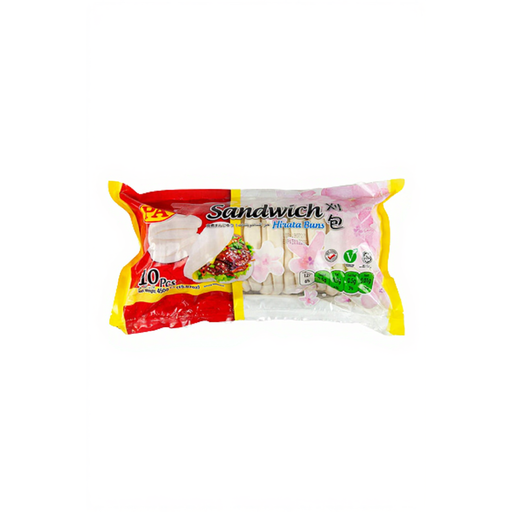 Image unavailable
PA Sandwich Bun, 10 pieces, 450 g
For households looking to use a pack of ten sandwich buns. The pack weighs 450 g.
Before using for baby-led weaning, check the ingredients and allergens on the specific pack, as well as the texture of the prepared roll. A sandwich bun isn’t the same as every type of traditional German bread roll.
View at Joybuy
Frequently asked questions
When are bread rolls suitable as finger food?
Age isn’t the only deciding factor: as the BIÖG explains, your child needs to be able to grasp and swallow solid foods. Also check the texture of the specific bread roll you plan to offer. If your child is having exclusively solid complementary foods, it’s advisable to speak to a paediatric practice.
Can a bread roll replace a complete complementary meal?
No, a bread roll should only be part of a varied range of complementary foods. The Gesund ins Leben network points out that nutrient intake with baby-led weaning depends both on what is offered and on what the child actually chooses to eat.
How can I check for gluten and other allergens in bread rolls?
Check the allergen information for the specific variety: for packaged rolls, it’s on the label; for loose products, you can ask in store. The EU Food Information Regulation (EU) No 1169/2011 includes cereals containing gluten among the allergens that must be declared when present in a food.
How do I choose between a pack and individual bread rolls?
Choose based on how much your household can use and how much preparation is involved. For packaged rolls, compare the weight and number of rolls; for loose rolls, ask about the ingredients and allergens in the specific variety.


