For a savoury snack on moving-in day, generously sized bread rolls that are ready to eat make an obvious choice. For the days that follow, bake-at-home rolls are an option if you have an oven. Frozen rolls also need space in the freezer. If you’re searching for “thick cut”, check the size and cut surface of the specific roll rather than assuming the search term refers to a particular shape.
Which rolls suit your needs
For savoury snacks
If you’re planning to fill your roll with cheese, egg, vegetables or a spread, the key is choosing a cut surface that suits your toppings. Check the shape of the product itself; the variety name alone tells you little about its size.
For a flexible supply
If you’re not yet sure how many rolls you’ll get through during your first shop, bake-at-home rolls let you prepare them as needed. Frozen rolls need freezer space, while bake-at-home rolls require the preparation facilities stated on the pack.
For choosing specific ingredients
If you specifically want wholemeal or need to avoid certain ingredients, check the product name, ingredients list and allergen information for the individual roll. “Multigrain” alone doesn’t answer these questions.
What to look for when shopping
First decide whether you want the rolls ready to eat straight away or whether you have an oven or freezer available for stocking up. Then choose a shape, quantity and ingredients to suit your savoury snacks.
| What you need |
What to check when buying |
Who it matters to |
| Room for savoury fillings |
Check the roll’s size, height and cut surface; for packaged rolls, compare the type of roll and its weight. |
If I want to load my roll generously, the filling needs to fit the shape I’ve chosen. Around 33% of consumers put this need first. |
| Ready to eat |
Distinguish between ready-to-eat rolls and bake-at-home rolls; the latter need an oven and time to prepare. |
On moving-in day, I want to be able to have a snack without needing a prepared oven. For around 27% of consumers, having food ready to eat straight away is the priority. |
| Quantity and supplies |
Match the number of rolls to your needs and check you have space in the freezer for frozen products. |
While I’m still working out how many I’ll eat, I don’t want to buy too many fresh rolls at once. Around 20% of consumers put this need for a supply first. |
| Ingredients and wholemeal |
Read the wholemeal description, ingredients list and allergen information for the specific product. |
If wholemeal or avoiding certain ingredients matters to me, I need information about the individual roll. Around 20% of consumers make this their top priority. |
Common buying mistakes
-
Assuming “thick cut” means a specific bread-roll shape
The term doesn’t tell you how large a roll is or whether it’s sold pre-sliced. So even a product with a suitable-sounding name might have the wrong shape for generous fillings.
For loose rolls, check the size and cut surface in store. For packaged rolls, the product image, type of roll and weight can help you choose.
-
Planning to use bake-at-home rolls for an instant snack
Bake-at-home rolls need to be prepared according to the pack instructions. EDEKA says its breakfast rolls and stone-baked rolls need 8–10 and 8–12 minutes in the oven respectively, depending on the product.
If you won’t have a usable oven on moving-in day, plan to have ready-to-eat rolls for your first snack.
-
Assuming “multigrain” means wholemeal or contains specific ingredients
A hearty-sounding variety name is no substitute for checking the wholemeal description or allergen information. For loose rolls, information about possible cross-contamination may also be important.
For packaged rolls, read the current ingredients list and check the highlighted allergens. For loose rolls, ask for the allergen information for the specific product.
-
Buying too many fresh rolls at once
If you’re not sure how many you’ll need when you move in, fresh rolls may be left over and go stale. Frozen rolls are only a practical option for stocking up if you have room in the freezer.
Start by buying enough for your immediate needs, then compare other pack sizes with your storage space and preparation facilities.
Retailers to consider
REWE
REWE stocks bake-at-home rolls, as well as a separate range of frozen bake-at-home rolls.
- Its range pages include wheat, rye, spelt and multigrain varieties.
- Availability depends on the location you select.
EDEKA
EDEKA lists individual breakfast and stone-baked rolls that are ready to bake.
- Product pages include details such as ingredients, allergens and baking instructions.
- EDEKA notes that products may not be available in every store and that information on its online shop may differ from what’s on the pack.
Lidl
Lidl describes “Unser Brot” as its own brand of bread and baked goods from its in-store bakery.
- The in-store bakery is an option when you want rolls that are ready to eat straight away.
- Check the specific variety and its details in store rather than assuming every roll under the own-brand label has the same characteristics.
ALDI Nord
ALDI Nord lists fresh baked goods and a range of rolls to bake at home, including products labelled GOLDÄHREN Meisterbäcker.
- Its range pages include wheat, multigrain and stone-baked rolls.
- Check the pack size and what’s available at your local store when you shop.
Kamps
Kamps’ delivery menu for Krefeld lists sliced and multigrain rolls, among other options.
- Allergen information is available for the rolls listed there.
- The local menu doesn’t reflect the range at every location. Kamps also notes that loose products may be subject to cross-contamination.
Joybuy products for savoury fillings
These sandwich and hot dog rolls could work well with savoury fillings. Check the shape and size of each product to see whether it suits the amount of filling you have in mind.
 No image available
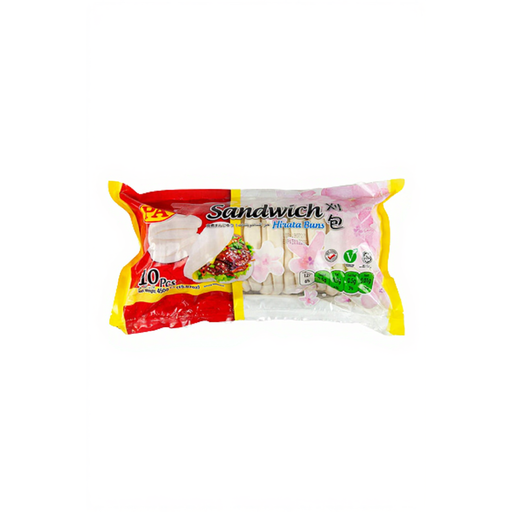
PA Sandwich Bun, 10 rolls, 450 g
Designed for savoury fillings; the pack states 10 rolls, weighing 450 g. This frozen product needs freezer space and a way to steam it. Check whether its shape and cut surface suit your filling.
View on Joybuy
 No image available
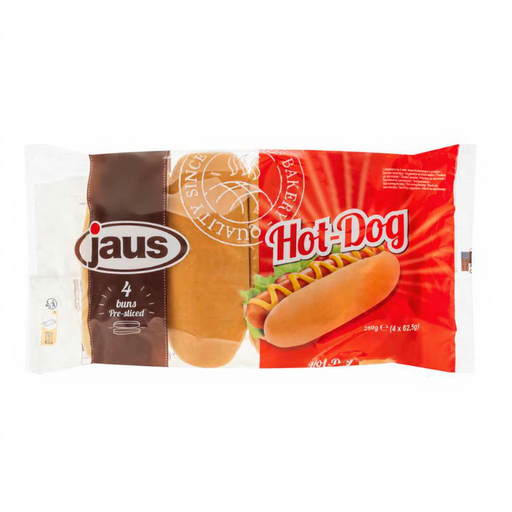
Jaus Hot Dog Buns 4x250g
The hot dog shape is designed for long savoury fillings. Check whether it also suits the filling you have in mind. Before deciding how many to buy for your first shop, check that the stated 4x250g matches the actual pack contents.
View on Joybuy
Frequently asked questions
Which rolls are best for generous savoury fillings?
Choose based on the shape and the usable cut surface, not just the term “thick cut” or a variety name. Ready-to-eat rolls work for an instant snack; if you want to stock up, also check what equipment you’ll need for bake-at-home and frozen rolls.
How should I store fresh rolls after my first shop?
Store fresh rolls at room temperature in a dry place away from light, as recommended by the Verbraucherzentrale for bread and rolls. If you’re unsure how many you need, start with a manageable quantity; any mouldy rolls must be thrown away completely.
How long should bake-at-home rolls go in the oven?
Always follow the baking instructions on the pack for the specific product. EDEKA says its breakfast rolls take 8–10 minutes and its stone-baked rolls 8–12 minutes; the right setting depends on the product and type of oven.
Is the ingredients information on an online shop enough?
Use online information to help you choose, then check the actual packaging, especially if you need to avoid certain ingredients or allergens. EDEKA specifically notes on its product pages that online information may differ from the pack.


