Who is this choice important for?

Families who like savoury fillings

If you want thick halves for your child’s nursery lunch, you’ll need enough surface area for the filling you have in mind. You can check the size and shape before buying; only the specific product will show whether the roll holds together when sliced.

Anyone managing allergies

Choose based on the ingredients and allergens in the product you’re actually buying. For loose rolls, clear allergen information is important so you can share the details with the nursery. The consumer advice organisation Verbraucherzentrale explains allergen labelling for nursery meals.

Families who prefer wholemeal

If you want to choose wholemeal for your child’s lunch, check the description of the specific roll: multigrain doesn’t automatically mean wholemeal. The German Nutrition Society notes that wholemeal bread contains more fibre than white bread; this doesn’t tell you the nutritional value of an individual roll.

What should you look for when buying?

If relevant, check the ingredients and allergens first. You can then decide which roll size and preparation method best suit the lunch you’re planning.

Criteria What to check when buying Who it matters most to
Cut surface and filling The size and shape of the roll; for bake-at-home rolls, check the preparation instructions and allow time for cooling. I want to split a roll and fill both halves generously without running out of room. Around 36 % of consumers put how easy a roll is to slice and fill first.
Ingredients and allergens The ingredients and allergen information on the pack, or the allergen information for loose rolls. If I’m shopping for a child with an allergy, I need to be able to check the information for the specific roll before packing their nursery lunch. For around 46 % of consumers, this is the main priority.
Choosing wholemeal Look for an explicit wholemeal description rather than just “multigrain”; compare the nutritional information for the products, if available. For my child’s lunch, choosing a wholemeal option matters more than the shape of the roll, as long as it’s still easy to fill. Approximately 18 % of consumers put this first.

Common pitfalls

  • Assuming “cut thickly” is a fixed feature of a bread roll

    Whether a thick half works for your filling depends on the individual roll and its cut surface. The product description alone won’t tell you for certain.

    Choose a suitable size and try slicing one roll. Bake-at-home rolls should be prepared according to the pack instructions and left to cool first.

  • Confusing multigrain with gluten-free

    According to its ingredients list, a Weltmeister roll listed by REWE contains wheat, oats, rye and sesame, among other ingredients. The product name is no substitute for checking the allergens.

    Read the ingredients and allergen information for the roll you’re actually buying. Don’t assume it’s suitable based on the type of grain or its colour.

  • Planning to buy loose rolls without allergen information

    If you need to check ingredients and allergens for nursery meals, the name of a roll from the bakery counter isn’t enough on its own.

    Ask for allergen information about the specific product before buying, and keep the details handy when discussing them with the nursery.

  • Preparing bake-at-home rolls just before packing

    Bake-at-home rolls need time in the oven and must cool before you slice them. This can affect your morning routine.

    Check the instructions for the product you’ve bought, and allow time to bake, cool and fill the rolls before your child’s nursery lunch.

Brands and ranges to consider

REWE / ja!

REWE lists products including ja! Sunday rolls for baking at home, as well as a Weltmeister roll with published ingredient information.

  • The information for ja! Sunday rolls includes baking instructions.
  • When choosing based on allergens, the information for the product you actually buy is what matters.

EDEKA

EDEKA provides ingredients and information about possible allergen traces for a baguette roll. Its oblong shape may be useful if you want to slice it for a filling.

  • The listed version contains wheat and rye, and may contain traces of soya, milk and sesame.
  • Check the information on the product you buy. EDEKA notes that product information may differ from the packaging.

Lidl – Unser Brot

Lidl describes “Unser Brot” as a bakery range featuring different types of bread and baked goods.

  • The range gives you a starting point for looking for a suitable roll shape in store.
  • The range description doesn’t replace the ingredients and allergen information for an individual roll.

ALDI SÜD – GOLDÄHREN

ALDI SÜD lists GOLDÄHREN multigrain toast rolls as a packaged bread roll option.

  • For packaged products, you can check the nutritional information and ingredients on the product you choose.
  • ALDI SÜD notes that different suppliers may be used for this product and nutritional information may vary; the pack you buy is what matters.

Bread rolls at Joybuy

Here you’ll find hot dog buns for filling alongside multigrain rolls for baking at home. Check each roll to see whether its size and how it slices are right for the thick halves you want.
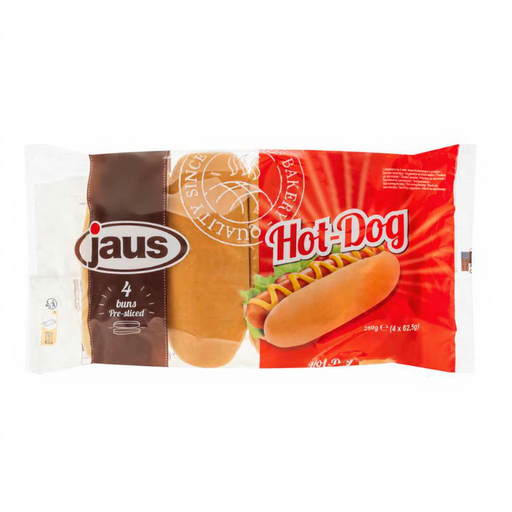
Jaus Hot Dog Buns 4x250g

Jaus Hot Dog Buns 4x250g

An option for filled rolls if the shape and cut surface suit your chosen filling. Check the product to see whether it’s suitable for cutting into thick halves.

The product information lists wheat and barley, and possible traces of soya, lupin, mustard and sesame. For nursery meals, check the allergen information on the pack you buy.

View at Joybuy

Coppenrath & Wiese Unsere Goldstücke Mehrkornbrötchen 300 g

Coppenrath & Wiese Unsere Goldstücke Mehrkornbrötchen 300 g

A multigrain option for lunch if you have time to bake and cool the rolls before packing them. Check the size and how well each roll holds together when sliced if you want thick halves.

The product information specifies frozen storage, a baking time of 12–15 minutes and a short cooling period afterwards. It also lists cereals containing gluten, milk and sesame; check the pack you buy for nursery meals.

View at Joybuy

Frequently asked questions

Do I need allergen information for loose rolls for nursery meals?

Yes. If you need to check allergens for nursery meals, you’ll need information about the specific roll. The consumer advice organisation Verbraucherzentrale explains that major allergens must also be identified in loose products and meals served in communal catering. Ask for clear, written information to help you plan.

Is a multigrain roll automatically gluten-free?

No. Multigrain doesn’t mean gluten-free. For example, according to its ingredients list, the Weltmeister roll listed by REWE contains wheat, oats, rye and sesame. If you’re managing allergies or other dietary requirements, always check the information for the product you’re buying.

When should I slice bake-at-home rolls for thick fillings?

Slice them only after preparing them according to the pack instructions and letting them cool. Allow enough time before adding the filling, and check the individual roll to see what thickness suits its size and filling.

Does multigrain mean wholemeal?

No. The description “multigrain” alone doesn’t mean a roll is a wholemeal product. If wholemeal matters to you, check the specific product description and ingredients list. The German Nutrition Society compares the fibre content of wholemeal bread with white bread; check the product’s own information to assess the nutritional value of a particular roll.