For brunch and sweet toppings
If you’re after a soft, slightly sweet base to go with your meal, brioche or Danish Toast may be worth a look. Their recipes aren’t a neutral choice for every savoury topping.


When you’re picking up bread as an extra, the meal you have planned is the main consideration. Brioche or slightly sweet Danish Toast may suit sweet toppings, while a milder sliced loaf is often better for savoury sandwiches. Protein-rich toast rolls and bread specifically labelled gluten-free meet different needs, so the product format, ingredients and allergens matter just as much as the flavour.
If you’re after a soft, slightly sweet base to go with your meal, brioche or Danish Toast may be worth a look. Their recipes aren’t a neutral choice for every savoury topping.
If you need bread for savoury fillings at short notice, look for toast or sandwich bread and check that the ingredients and character of the loaf suit what you have in mind.
If you need a particular product format or recipe, don’t rely on the product name alone. If you have requirements around gluten or other allergens, check the labelling on the specific loaf.
First, decide what you want the bread to go with. Then compare the recipe, labelling and pack size – especially if you’re only buying it for one meal.
| What to consider | What to check | Who it matters to |
|---|---|---|
| Flavour and meal | Check that the type of bread and its ingredients go with the sweet or savoury toppings you have planned. | For brunch, I want a soft, slightly sweet base; for a savoury sandwich, I want a milder-tasting bread. This match with the meal is the top priority for around 33% of consumers. |
| Recipe and nutritional values | Compare the ingredients list and nutritional information per 100 g; if you’re buying toast rolls, also consider that they’re a different product format. | If I’m looking for a specific grain-based or protein-rich recipe, the name on the front isn’t enough. Around 27% of consumers prioritise these recipe features. |
| Gluten and allergens | Check the current ingredients list and any warnings about possible traces; if needed, look for an explicit gluten-free label. | If I need to avoid an allergen, I can’t rely on names such as ‘rye toast’ or ‘multigrain’. Checking for gluten and allergens is a priority for around 20% of consumers. |
| Quantity and storage | Consider the pack size, storage guidance after opening and whether you can freeze portions separately. | For a single meal, I don’t want to open a pack and leave the rest unused. For around 20% of consumers, managing quantity and freshness is the most important consideration. |
REWE describes its Feine Welt brioche as containing ingredients including butterfat, crème fraîche and eggs. Its slightly sweet recipe can work differently with savoury toppings than a milder toast bread.
Choose it for a meal that suits its distinctive flavour. For a savoury sandwich, compare toast and sandwich bread instead.
The rye toast described by REWE also contains wheat and lupin flour. Schär Meisterbäckers Multigrain Bread, sold as gluten-free, may contain lupin, sesame and mustard according to the product information. The Mestemacher toast rolls sold by RUF are made with ingredients including wheat and soya.
If you need to avoid an allergen, check the current ingredients list and any trace warnings for the specific product.
When you’re picking up extra bread, opening a large pack may be impractical if you only need a few slices. According to the Verbraucherzentrale, visible mould is a reason to throw away all of the affected bread.
Choose a quantity that matches how much you plan to use, and freeze any portions you won’t need soon.
The labelling on the bread you actually buy is what matters, particularly when it comes to how you use it and any allergies.
Compare the details before buying, then check the ingredients and allergen information on the pack again when it arrives.
These examples show a range of product types. You can’t necessarily assume that the features of one bread apply to a brand’s entire range.
The brioche described by REWE is a slightly sweet option for breakfast or brunch.
The rye toast offered by REWE is a toast option for savoury toppings.
Lieken offers a range of toast, sandwich bread and rolls under the GOLDEN TOAST brand.
The Mestemacher High Protein Carrot Toast Rolls offered by RUF come in a different format from a sliced loaf.
This multigrain sliced bread is specifically sold as a gluten-free option.
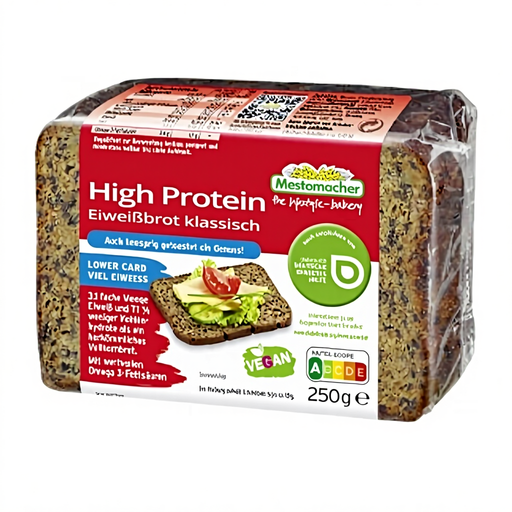
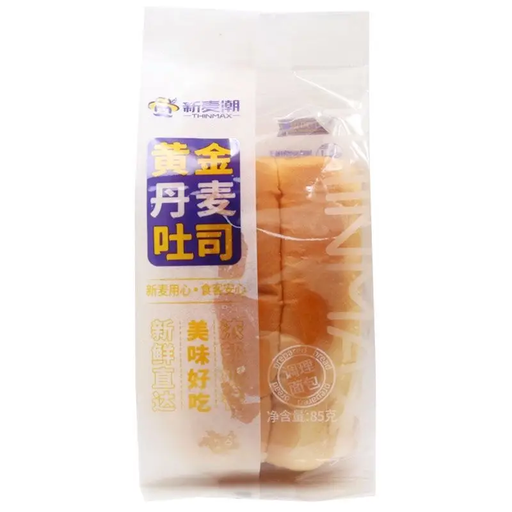
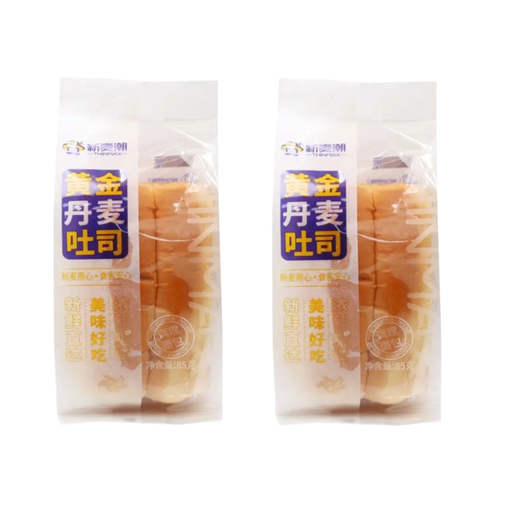
This selection includes a wholemeal protein bread and two pack sizes of slightly sweet Danish Toast. First, decide whether you need slices for savoury toppings or a small sweet portion. If you’re considering Danish Toast, check that its product format suits your need for pre-sliced bread.
 No image available
An option if you’re specifically looking for a wholemeal protein bread to go with savoury toppings. If you have allergies, check the current ingredients list and any warnings about possible traces. According to the product information, the bread should be used within five days of opening.
 No image available
The 85 g portion could suit a slightly sweet breakfast or a small snack, rather than serving as a neutral-tasting toast bread. If you’re making classic sandwiches, check whether it’s pre-sliced. According to the product information, it should be eaten within 24 hours of opening.
 No image available
Two individually wrapped 85 g portions may be a good choice if you want to enjoy the slightly sweet Danish Toast on separate occasions. Check whether the portions are pre-sliced. According to the product information, each portion should be eaten within 24 hours of opening.
No. A best-before date passing is not, by itself, a reason to throw away packaged bread straight away. Check the bread before eating it. If you can see mould, the Verbraucherzentrale recommends throwing away all of the affected bread.
Store bread at room temperature in a dry place away from light, or freeze any portions you won’t need soon. The Verbraucherzentrale suggests using a bread bin or bread box. Bread usually goes stale more quickly in the fridge.