Which scales suit you

Bakers using small amounts of yeast

If your recipe calls for very little yeast, you need increments that can display the required amount in the appropriate weighing range. Plötzblog describes precision scales as a suitable option for weighing 0.1 g of fresh yeast.

Bakers using a mixing bowl

If you weigh flour and other ingredients into the same bowl one after another, your scales need enough space and capacity. Tare helps you add ingredients by weight, but it doesn’t increase the maximum capacity.

Bakers after a late shift

If you prepare ingredients in the evening, it’s important to be able to see the display clearly in your kitchen lighting and with the bowl you’re using. A backlit display can help.

What to consider when buying

Separate precision scales

Best for: Recipes calling for very small amounts of yeast that you can weigh separately.

Trade-off: A small weighing platform and lower maximum capacity can make it difficult to weigh ingredients in a large mixing bowl.

Kitchen scales for the bowl

Best for: Weighing several ingredients one after another in the same container.

Trade-off: A display that measures in 1 g increments won’t show 0.1 g of yeast directly.

Scales with a backlit display

Best for: If you need a clear display when weighing ingredients in low light after work.

Trade-off: A backlight doesn’t replace increments suited to very small amounts of yeast.

What matters What to check before buying Who it matters most to
Small amounts of yeast Check the increments in the required weighing range, the minimum weight and whether there’s room for your container. A stated increment doesn’t automatically provide independent evidence of measurement accuracy. If you’re weighing a recipe that calls for very little yeast, check whether the scales can actually display the required amount. Around 38% of consumers say small amounts of yeast are their main concern.
Ingredients in a bowl Compare the weight of the bowl and ingredients with the maximum capacity. Also consider the size of the weighing platform and how easily you can see the display and controls. If you weigh flour and other bread ingredients in the same container, space and capacity are particularly important. Around 31% of consumers say this is their main concern.
Reading the display in the evening Check that the display is easy to see in your kitchen lighting and with the bowl you use, and whether it has a backlight. If you bake after work in low light, you should be able to read the display without having to keep repositioning things. Around 16% of consumers say being able to read the display in the evening matters most to them.
Power and care Check the power supply, automatic shut-off behaviour and cleaning instructions for the specific model. These everyday details matter if you plan to use your scales regularly and want them to be easy to care for. Around 15% of consumers prioritise power and care.

Common buying misconceptions

  • Assuming fine increments mean independently verified accuracy

    A display that measures in 0.1 g increments doesn’t automatically mean the scales have been independently tested for measurement accuracy. The increments specified by the manufacturer for the Beurer KS 36 also vary depending on the load.

    Check which increments apply to the amount of yeast you need, and distinguish the manufacturer’s specifications from an independent measurement test.

  • Confusing tare with extra capacity

    Tare resets the display after you place a container on the scales, but it doesn’t increase the maximum capacity. According to the manufacturer, the Beurer KS 36 has a maximum capacity of 2 kg and a weighing platform measuring 11,5 × 8,0 cm.

    Add the weight of the bowl and ingredients together, then compare the total with the maximum capacity and the available platform space.

    You may need a second set of scales alongside small precision scales for a large mixing bowl.

  • Assuming easy-to-read bowl scales can automatically weigh tiny amounts of yeast

    According to the manufacturer, the WMF scales examined display measurements in 1 g increments. The Tefal Optiss BC50U0 isn’t designed to show 0.1 g directly either, despite its backlit display.

    First check the smallest amount of yeast in your recipe, then decide which bowl and display features you need.

Brands to consider

Beurer

The KS 36 is a separate set of precision scales for small quantities of ingredients, rather than a platform designed for a large mixing bowl.

  • Beurer states that increments are 0,1 g for weights under 500 g; tare and a calibration weight are also specified.
  • The manufacturer specifies a maximum capacity of 2 kg and a weighing platform measuring 11,5 × 8,0 cm. The stated increments aren’t an independent measurement test.

WMF

The CMMF 3201000339 digital kitchen scales are designed for weighing several ingredients into one bowl.

  • WMF states that this model has a 23 × 15 cm weighing platform, tare and a maximum capacity of 5 kg.
  • The display measures in 1 g increments, so it won’t show 0.1 g of yeast directly. These specifications apply to this model, not all WMF scales.

Tefal

The Optiss BC50U0 combines a larger weighing platform with a backlit display for preparing ingredients in low light.

  • Tefal lists tare, a maximum capacity of 5 kg and a backlit LCD display for this model.
  • The specified increments are 0,5 g at the lower end and 1 g above that, so the scales aren’t designed to show 0.1 g directly.

CASO

The Kitchen EcoMaster is a battery-free option for everyday bread ingredients if simple operation matters more to you than increments of a tenth of a gram.

  • CASO states that turning the dial generates enough power for up to three minutes of use. Tare and a maximum capacity of 5 kg are also specified.
  • According to the manufacturer, the scales display measurements in 1 g increments, so they aren’t designed to show amounts such as 0.1 g of yeast directly.

Related products at Joybuy

The following Joybuy products are digital coffee scales. They’re worth considering if their listed features also suit how you plan to use them; for bread recipes, check the stated minimum weight and increments.
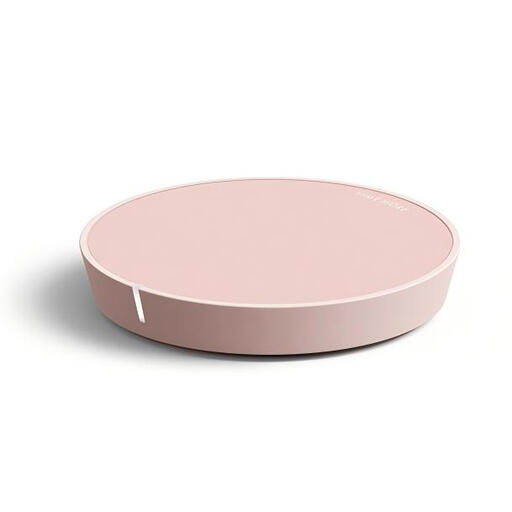
TIMEMORE Coffee Scale DOT, pink digital coffee scales

TIMEMORE Coffee Scale DOT, PINK

For bread-making, these are most relevant if you also want to use the listed espresso and pour-over features.

Features named in the product title: timer, coffee-to-water ratio and water flow rate functions, plus switchable oz/kg units.

Joybuy
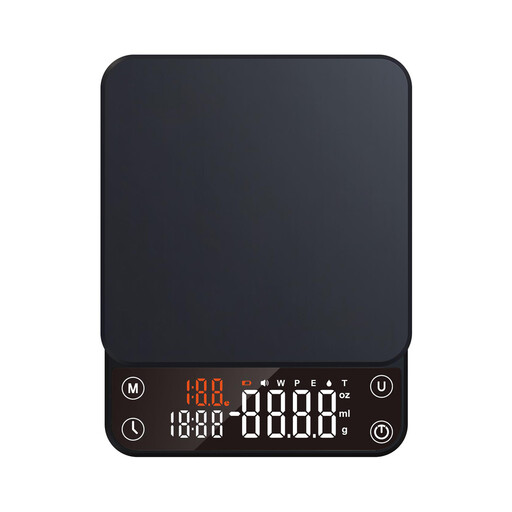
Unique Smart Coffee Scale 4 Brew, digital coffee scales

Unique Smart Coffee Scale 4 Brew

For recipes using 0,5 g or more, the stated 0,1 g increments below 1 kg may be useful; the minimum weight is too high for smaller amounts of yeast.

Specifications include a maximum capacity of 3 kg, a minimum weight of 0,5 g and auto-tare.

Joybuy

Frequently asked questions

Can I weigh 0.1 g of yeast using scales that measure in 1 g increments?

Not as a direct 0.1 g measurement. Plötzblog recommends precision scales or, alternatively, a yeast water method. With the latter, you need to include the added water in the amount of water specified in the recipe.

How do I use tare when weighing yeast separately?

First place a suitable container on the scales and tare them. For small pieces of fresh yeast, Plötzblog also describes taring the yeast cube and then removing the amount you need.

Does weighing the yeast precisely determine when the dough is ready?

No. According to Plötzblog, during a long prove, both the dough and the surrounding temperature affect proving time, as well as the amount of yeast. Follow the recipe and keep an eye on the dough.

What should I check about power and care?

Check the power supply and care instructions for the specific model. According to its datasheet, the Beurer KS 36 uses four AAA batteries; the manufacturer says the CASO Kitchen EcoMaster generates power when you turn it. This doesn’t provide a like-for-like cost comparison.

Do I need legally verified kitchen scales for home bread-making in Germany?

For weighing ingredients for personal recipes, the Physikalisch-Technische Bundesanstalt distinguishes household scales from scales subject to statutory minimum requirements. If goods are sold or charged for by weight, the specific use must be assessed separately.