For breakfast or a picnic on the day you shop, fresh bread rolls are a good option. If you want to fill them without using a knife, pre-sliced rolls are a better choice. For several days of the holidays, you could plan for bake-at-home rolls or freeze rolls in portions – provided you have the right storage and cooking facilities. “Medium sliced” does not describe a specific cut for bread rolls, so check what it means for the product you’re considering.
Who should think carefully about their choice?
If you’re planning several holiday breakfasts
If you won’t eat all your bread rolls on the same day, the quantity you buy and how you store them are key. The Verbraucherzentrale recommends freezing and defrosting them in portions, so you can use your stock as needed.
If you want to fill your rolls quickly
For a picnic or barbecue, rolls that are already cut can save you time when preparing your food. EDEKA, for example, describes its brioche burger buns as cut through the middle. Whether this type of roll suits your planned filling is up to you.
If you need to check ingredients and allergens
For packaged products, check the ingredients list; for unwrapped bakery-counter goods, look for the retailer’s allergen information. Lebensmittelklarheit points out that the main allergens must also be labelled on unwrapped food.
What should you look for when buying?
Fresh bakery-counter rolls
A good choice if: You’re having breakfast or a picnic soon and would like to buy fresh rolls.
Bear in mind: You’ll need to plan the quantity and storage again for the following days of your holiday.
Pre-sliced buns
A good choice if: You want to fill your rolls without having to cut them open yourself. EDEKA’s brioche burger buns, for example, are cut through the middle.
Bear in mind: Burger buns aren’t necessarily the type of breakfast roll you’re looking for.
Bake-at-home or frozen portions
A good choice if: You want to prepare rolls as needed over several days.
Bear in mind: Baking or defrosting takes time, and you’ll need the right equipment.
| What to consider |
What to check when buying |
Who it matters most to |
| Planning your supply |
The quantity you need and storage instructions; if you’re buying frozen or bake-at-home rolls, check what facilities are available at your holiday destination. |
I need bread rolls for several days and don’t want to use up my whole supply straight away. This is the main consideration for around 40 % of consumers. |
| How they’re cut |
Look for a specific description such as “pre-sliced” or “cut through the middle”, and check the type of roll. |
I want to be able to fill my rolls for a picnic without a knife. This is the top priority for around 30 % of consumers. |
| Ingredients and allergens |
Check the ingredients list on packaged products or the allergen information for unwrapped goods. |
Before taking rolls for other people, I need to check their ingredients and allergens. This is the main consideration for around 20 % of consumers. |
| Type of grain |
Check the product name and ingredients rather than judging by the visible grains alone. |
A particular type of grain or a wholemeal option matters more to me than quick preparation. This is the top priority for around 10 % of consumers. |
Which common mistakes can you avoid?
-
Assuming “medium sliced” describes a specific type of bread roll
The description alone doesn’t tell you whether a roll has already been cut through the middle. EDEKA gives a specific description of how its brioche burger buns are cut.
Check the description or packaging for the product you’re considering, then decide whether burger buns or traditional bread rolls will suit your meal.
-
Buying your entire holiday supply as fresh rolls
If you’re planning for several days, bear in mind that fresh bread rolls can dry out or go stale if stored for too long.
Buy the amount you need in the short term while it’s fresh, and plan to store, freeze or bake the rest as appropriate. The Verbraucherzentrale recommends freezing bread and bread rolls in portions when needed.
Buying too many fresh rolls can lead to avoidable food waste.
-
Assuming you know the recipe when buying unwrapped rolls
The type or appearance of a bread roll won’t reliably tell you which allergens it contains. According to Lebensmittelklarheit, the main allergens must also be labelled on unwrapped goods.
Check the allergen information before you buy or ask at the counter. For packaged products, check the details on the packaging.
-
Judging whether a roll is wholemeal by its coarse grains alone
Wholemeal flour can also be finely milled. A wholemeal description also doesn’t tell you whether that particular product is suitable for someone with a specific allergy.
Check the product name and ingredients list, and check for allergens regardless of the type of grain you’re looking for.
Brands and retailers to consider
REWE
REWE’s online bread and bakery category includes bread rolls and packaged sliced bread.
- You can compare different types of baked goods within the category.
- Check which specific types of bread roll are available at your local store.
EDEKA
EDEKA describes its four-pack of brioche burger buns as cut through the middle.
- The product page lists ingredients, nutritional information and allergens for these buns.
- EDEKA notes that availability and packaging information may vary between stores.
Lidl
Lidl describes “Unser Brot” as its own brand of bread and baked goods from its bakery.
- Lidl lists different types of bread and baked goods.
- If you need a specific cut, check the product itself.
ALDI
ALDI Nord lists fresh bread rolls and bake-at-home rolls; ALDI SÜD also describes baked goods in its range.
- Fresh and bake-at-home products offer different options when planning your shopping.
- If you’re looking for a particular variety, check whether ALDI Nord or ALDI SÜD serves your region.
Kamps
A regional KAMPS delivery menu lists sliced rolls and other varieties.
- Allergen information is available for the products listed there.
- The regional delivery menu doesn’t show what’s available at every Kamps shop.
Der Meisterbäcker
Der Meisterbäcker describes a regional range of bread and rolls made in-house.
- The retailer explains how it makes its own products.
- The information applies to the company’s home region; check the ingredients and allergens for each product.
Joybuy products for planned meals
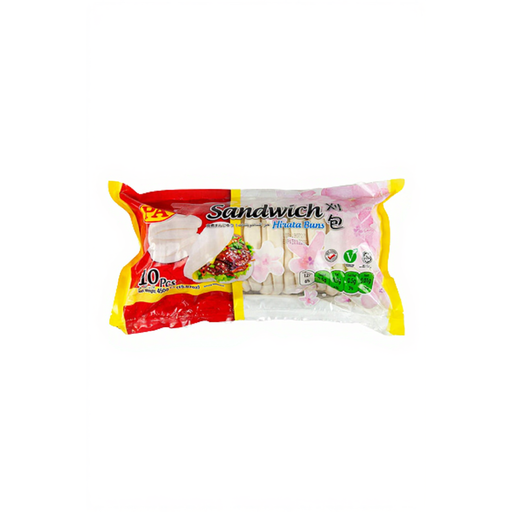
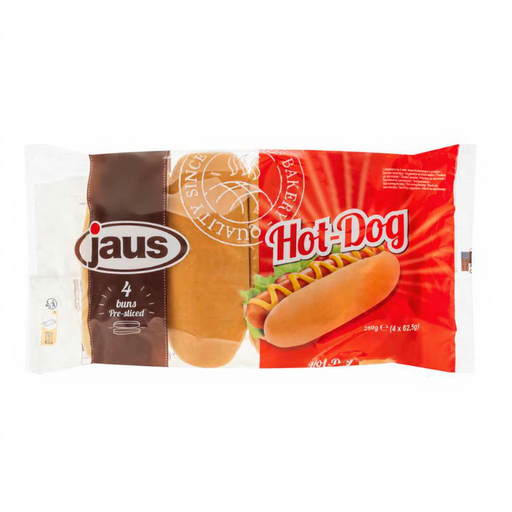
These buns could suit planned holiday meals: PA Sandwich Buns need to be kept frozen and steamed, while Jaus Hot Dog Buns are designed for hotdogs. Before buying, check the product details to see whether either option is already cut open.
 No image available
PA Sandwich Bun, 10 pieces, 450 g
For a planned meal with filled buns, if you have a freezer and a way to steam them.
The pack contains 10 buns weighing 450 g in total. The stated storage temperature is −18 °C or colder; the buns must be steamed before eating. Do not refreeze after defrosting. Check the packaging for information about how the buns are cut, as well as ingredients and allergens.
View at Joybuy
 No image available
Jaus Hot Dog Buns, 4 × 250 g
For hotdogs at a picnic or barbecue, if this type of roll suits your planned meal.
The pack size is 4 × 250 g. Follow the instructions to store in a cool, dry place, and check the best-before date on the pack when planning for your holiday. Also check how the rolls are cut, along with the ingredients and allergens.
View at Joybuy
Frequently asked questions
Should you keep bread rolls in the fridge in summer?
Not necessarily. The Verbraucherzentrale generally recommends storing bread and rolls at room temperature in a dry place away from light; they go stale more quickly in the fridge. In very hot, humid weather, refrigeration can help prevent mould, particularly on white bread.
Can I freeze bread rolls for several days of my holiday?
Yes. According to the Verbraucherzentrale, bread and rolls can be frozen and defrosted as needed. Divide your supply into portions before freezing, so you only take out what you need.
Where can I find allergen information for unwrapped rolls?
The main allergens must also be labelled on unwrapped bread rolls, as Lebensmittelklarheit explains. Check the information displayed with the product or in an accessible guide, or ask at the counter. If you’re given the information verbally, written details must be readily available on request.


