Hosts with lots of bowls
If you regularly load breakfast bowls alongside plates, glasses and cutlery, the rack layout matters more than a high place-setting capacity alone.


Start by considering the available space, connections and how many bowls and other dishes you need to wash. A countertop model needs a different set-up from a freestanding or integrated one, while 45 and 60 cm models require different amounts of space. Then check whether your bowls will fit in the racks alongside plates and cutlery, and how long the right programme takes. The European Commission points out that the energy and time figures on the energy label relate to the Eco programme, not necessarily to a quick wash.
If you regularly load breakfast bowls alongside plates, glasses and cutlery, the rack layout matters more than a high place-setting capacity alone.
If worktop space, an alcove or connections are limited, first check whether a countertop model, slimline freestanding model or larger integrated or freestanding dishwasher will fit in your kitchen.
If you need the dishes ready again before dinner, compare the cycle time and suitability of the programme you need separately from the Eco figures on the energy label.
First, check that the appliance, type and connections will work in your kitchen. Then compare the rack layout and programmes with the load you plan to wash.
A good fit if: You have room on your worktop for a countertop model and usually have only a few bowls and other dishes to wash at a time.
Consider: Medion Germany lists six place settings and a water connection for the DWT60 (MD37496). The place-setting capacity alone does not tell you whether your bowls will fit.
A good fit if: A freestanding dishwasher will work in your kitchen, but there isn’t enough width for a 60 cm model.
Consider: Bauknecht Germany lists external dimensions of 45 × 85 × 59 cm for the BK6FC11BS7A0X, so check the height, depth and space needed to open the door too.
A good fit if: You have the space and connections, and regularly wash a larger load alongside your breakfast bowls.
Consider: According to the German Environment Agency, a 60 cm dishwasher can be efficient for households of two or more, provided it is always run with a full load. Freestanding and fully integrated models suit different kitchen layouts.
The European Commission’s EU energy label includes figures such as energy consumption and programme duration for Eco cycles. These figures do not tell you the consumption or running time of a quick programme.
| What matters | What to check before buying | Who should pay particular attention |
|---|---|---|
| Space, type and connections | The specific model’s width, height, depth, door clearance, installation type, and water inlet and outlet. | If I have a small worktop or alcove, the appliance and its connections need to fit properly. Around 33% of consumers put space and connections first. |
| Bowls and other place settings | The rack shape, adjustable parts and how everything fits alongside your own bowls. | I want to fit breakfast bowls in with plates, glasses and cutlery, rather than plan for several loads. Around 27% of consumers prioritise being able to wash everything together. |
| Dishes ready when you need them | Programme duration, suitability for the level of soiling and load, and how long it takes for the dishes to be dry. | If I need the dishes again before dinner, the running time of a suitable programme matters most. Around 20% of consumers prioritise this time requirement. |
| Energy and water consumption | kWh per 100 Eco cycles, water per Eco cycle and the expected everyday load. | If I run the dishwasher regularly, I want to compare the energy and water used for my usual load. Around 20% of consumers put running costs first. |
The number of place settings alone doesn’t tell you whether your bowls will fit in the rack alongside plates and glasses.
Make a note of how many bowls you have and their dimensions, then check the rack layout of the specific model.
If your usual load doesn’t fit together, you may need to run an extra cycle.
The energy, water and time figures on the EU label relate to the Eco programme and don’t necessarily describe a quick wash.
Check the programme table for the specific model to see how long the programme you want takes and whether it’s suitable for your load.
Height, depth, door clearance, installation type and connections can all affect whether a dishwasher will fit in your kitchen.
Compare the model’s full external dimensions and installation requirements with the space you have available.
The DWT60 (MD37496) countertop model is an option for kitchens where a floor-standing dishwasher isn’t suitable.
The freestanding BK6FC11BS7A0X is a slimline model for a suitable space in your kitchen.
The SMV4ECX28E is a fully integrated 60 cm dishwasher for a suitably fitted kitchen.
The freestanding BDFN26431WC is a 60 cm model for households with a suitable space for a freestanding dishwasher.
The freestanding G 5811 SC Front Active Plus is a 60 cm model with a cutlery drawer.
The models below include countertop dishwashers, freestanding 45 and 60 cm models, and fully integrated dishwashers. The right type for you depends on the space and connections available, as well as the load you need to wash.
 No image available
A countertop model is worth considering if you don’t have much space for a floor-standing dishwasher.
The product title lists 3 place settings, 7 programmes, a digital display, water softening and energy efficiency class C.
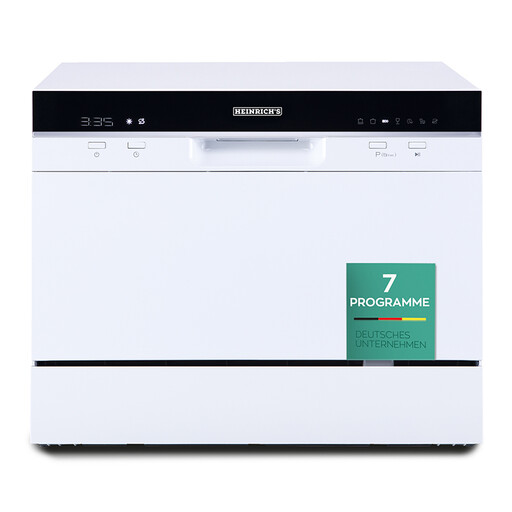 No image available
A countertop model may suit a kitchen with limited space, but check whether your bowls will fit alongside the rest of your dishes.
The product title lists 6 place settings, 7 programmes, a digital display and energy efficiency class D.
The product description lists a 30-minute quick cycle and a cutlery basket. Check the manual to see what kind of load this cycle is suitable for.
 No image available
A freestanding 45 cm model is an option if you have space for a freestanding dishwasher but not enough width for a 60 cm one.
The product title lists 10 place settings and energy efficiency class C.
The product description lists a height-adjustable upper basket and a cutlery drawer. Whether the layout suits your bowls depends on their shape.
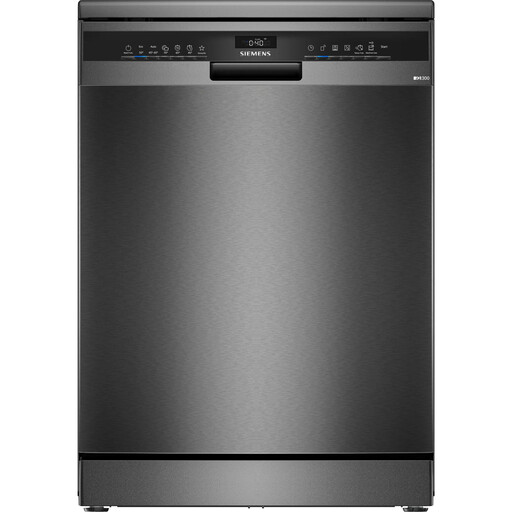 No image available
A freestanding 60 cm model is worth considering if you have a suitable space for it and regularly wash larger loads.
The product title lists 14 place settings and energy efficiency class B.
The product description lists a varioFlex rack system and a cutlery drawer. Check how they work with your own bowls.
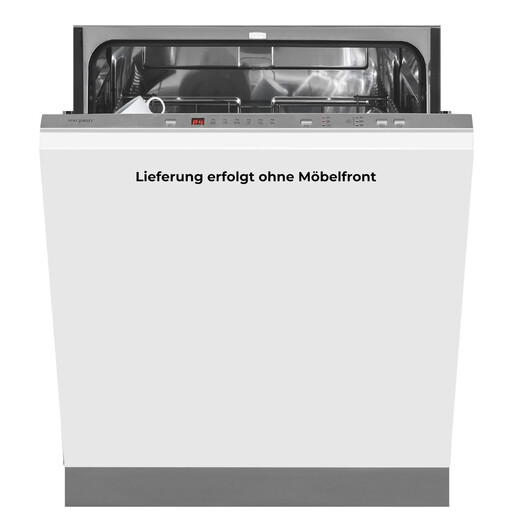 No image available
A fully integrated model will only suit a kitchen with the right space for installation. Check the niche and connections before buying.
The product description lists a width of 60 cm, 12 place settings and a height-adjustable upper basket.
The product title lists 6 programmes, including a quick cycle, 49 dB and energy efficiency class E. Check whether the quick cycle is suitable for the load you plan to wash.
No. The place-setting capacity alone doesn’t tell you whether your bowls will fit in the rack with the rest of your dishes. Compare the shape and dimensions of your bowls with the racks and adjustable parts of the specific model.
The German Environment Agency recommends using the Eco programme, running the machine with a full load whenever possible and not rinsing dishes with hot water beforehand. The EU label also lists figures for the Eco programme to help you compare models.
The EU energy label for dishwashers includes figures such as energy consumption per 100 Eco cycles, water consumption per Eco cycle, Eco programme duration, capacity and noise level. The European Commission specifies that these figures relate to the Eco programme, so don’t use them to estimate the figures for a quick cycle.