
Lieferung heute & morgen

Qualitätsgarantie

Willkommens-Angebote freischalten: KOSTENLOSE Lieferung | Bis zu 80 % RABATT | Kostenlose 30-Tage-JoyPlus-Testphase
App herunterladen
The selection of breakfast cereals on supermarket shelves or online can be overwhelming. Colourful packaging, health claims, and a seemingly endless variety of flavours make the decision difficult. But not every product lives up to its promises. Many shoppers only realise at home that their supposedly healthy choice is a hidden sugar bomb, or that the kids reject the new variety after the first taste.
As your Joybuy Product Recommendation Officer, I'm here to help you navigate the common pitfalls of buying cereal. This guide will show you what to really look for to make an informed decision that suits your needs and those of your family.
Marketing messages can be misleading. Before you choose a product, you should be aware of these three common issues:
To make a conscious choice, focus on objective criteria rather than advertising promises. The following three parameters are crucial.
The most important figure for comparison is the sugar content per 100 grams. This information allows for a direct and fair comparison between different products, regardless of the recommended portion size.
Look for sugar-free cereals or reduced-sugar options if you want to consciously manage your sugar intake.
Whole-grain cereals are a good source of fibre, which contributes to normal digestion. Make sure that "whole grain" (e.g., whole-wheat, whole-grain oats) is listed first in the ingredients list. This guarantees that it is the main ingredient of the product and not just added in small quantities for promotional purposes.
A short and understandable ingredients list is often a good sign. Watch out for hidden sugars like glucose syrup, fructose, dextrose, or barley malt extract. For people with special dietary needs, this check is essential to identify products like gluten-free cornflakes or nut-free options.
Here are some recommendations tailored to different requirements and preferences.
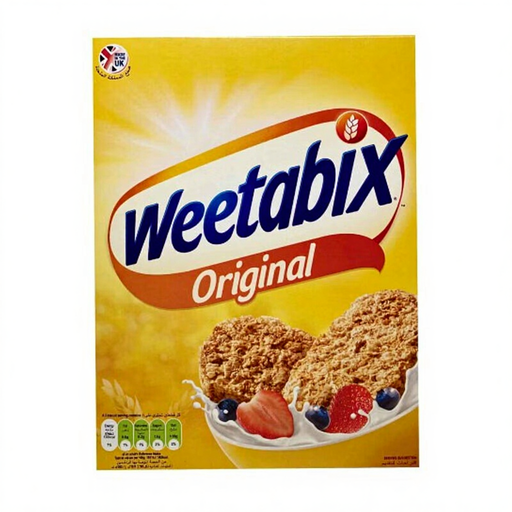
Why it's a great fit: Ideal for anyone looking for a high-fibre, low-sugar base for their breakfast. The wheat biscuits can be combined in versatile ways with milk, yoghurt, or fruit.
Weetabix sidesteps the "health halo" effect through transparency. With only 4.2g of sugar per 100g and 95% whole-wheat as the main ingredient, it is an objectively low-sugar and high-fibre choice.
High in fibre (10g/100g) and very low in sugar. Fortified with vitamins and iron.
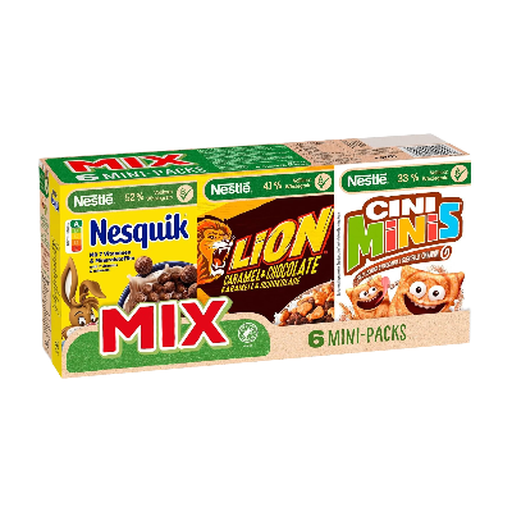
Why it's a great fit: This multipack offers a selection of popular varieties like Cini Minis, Lion, and Nesquik. Perfect for families where everyone prefers a different taste.
The single-serving packs help to avoid the "portion size illusion." Parents can more easily manage consumption and control sugar intake per meal, which defuses the "kids' cereal trap."
Offers variety and makes portion control easier. According to the manufacturer, all included varieties have whole grain as their number one ingredient.
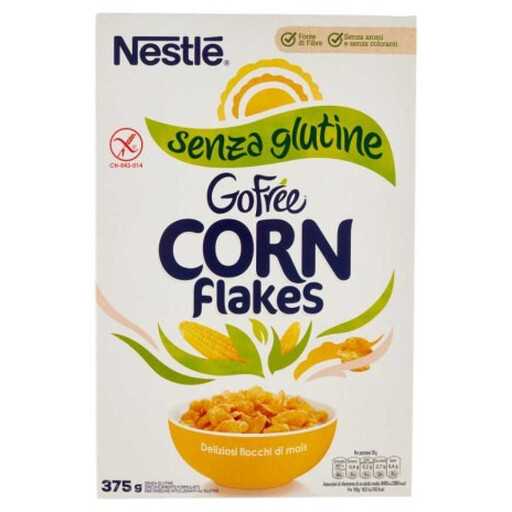
Why it's a great fit: A safe and tasty choice for anyone who needs to avoid gluten. These cornflakes offer the classic taste without gluten-containing ingredients.
This product solves the problem of the tedious search for suitable foods when dealing with intolerances. The clear labelling as gluten-free cornflakes provides safety and confidence.
Specially formulated for a gluten-free diet. Moderate sugar content (8.8g/100g) compared to many other cornflake varieties.
We have compiled a complete, real-time updated list of products that fully meet these strict selection criteria and UK regulations.
The most reliable way is to look at the nutrition table. Compare the "of which sugars" value per 100 g. Products with over 22.5 g of sugar per 100 g are considered high in sugar. Also, be mindful of the ingredients list: terms ending in "-ose" (like glucose, fructose), as well as syrup or honey, are also types of sugar.
Not necessarily. While whole-grain cereals provide more fibre and nutrients than products made from refined grains, they can still have a high sugar and fat content, especially in the case of crunchy granola or chocolate muesli. It is always wise to evaluate the whole-grain content in combination with the sugar content and the entire ingredients list.
A typical portion size recommended by the manufacturer is often between 30 and 45 grams. To get a better feel for this, try weighing your usual portion once with a kitchen scale. This will help you assess the nutritional information more realistically and gain conscious control over your intake.