
Lieferung heute & morgen

Qualitätsgarantie

Willkommens-Angebote freischalten: KOSTENLOSE Lieferung | Bis zu 80 % RABATT | Kostenlose 30-Tage-JoyPlus-Testphase
App herunterladen
Safely storing breast milk is a top priority for many mothers. Whether you're building a supply, seeking more flexibility in your daily routine, or getting your partner involved in feedings, a reliable breast milk storage bag is essential. However, the market is flooded with options, and not all of them live up to their promises. Certain defects can lead not only to frustration but also to the loss of precious milk.
This guide highlights the most common pitfalls to avoid when buying and shows you which objective criteria truly matter for making a safe and practical choice.
Many products advertise useful features, but their weaknesses often become apparent in practice. Watch out for these three common flaws to avoid a poor investment:
To avoid these problems, you should base your decision on verifiable product features. The following three parameters are crucial for safe and efficient use.
The material composition is the most important criterion. Look for breast milk storage bags that are explicitly labeled as BPA-free (Bisphenol-A free). High-quality bags are typically made from a combination of PET (polyethylene terephthalate) and PE (polyethylene), which is food-safe and durable. Another key aspect is whether the bags are delivered sterile. Pre-sterilized products can be used directly out of the package, minimizing the risk of contamination.
A reliable seal is non-negotiable. Leak-proof breast milk storage bags are almost always equipped with a double zipper (Double Zip Lock). This provides a dual barrier against leaks. Additionally, the side seams should be reinforced to withstand the pressure that occurs when milk freezes and expands. A sturdy, self-standing base not only makes filling easier but also ensures neat storage in the refrigerator.
Practical features make daily life significantly easier. A clearly legible labeling area for the date and volume is standard. However, some models offer more advanced functions. For example, a breast milk storage bag with a temperature indicator changes color to show whether the milk is at the right temperature for feeding. According to manufacturers like Momcozy, the indicator changes color when the milk is too hot or at the optimal temperature. This prevents accidental overheating during thawing. For freezing breast milk storage bags, a flat design is also advantageous as it saves freezer space and allows for faster, more even thawing.
Based on these objective criteria, we have identified several products suited for different needs and usage scenarios.
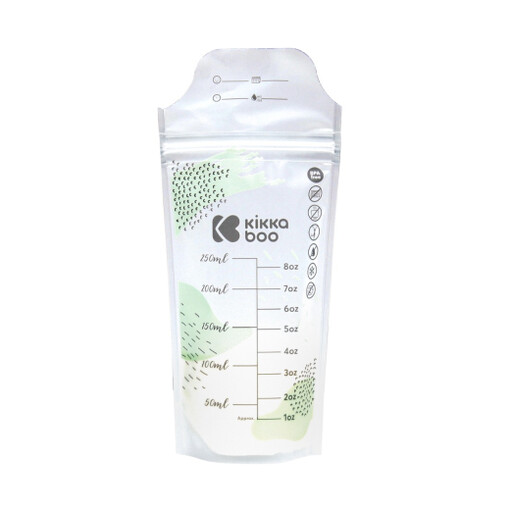
Why This Fits Their Persona: Ideal for mothers who pump occasionally or are just starting to build a small milk supply. The 50-count pack size offers a good balance between quantity and cost for getting started.
Addresses the problem of leaky seals with a double zipper that ensures a secure closure and prevents milk from spilling.
BPA-free material for safe milk contact; large labeling area for easy organization of your stash.
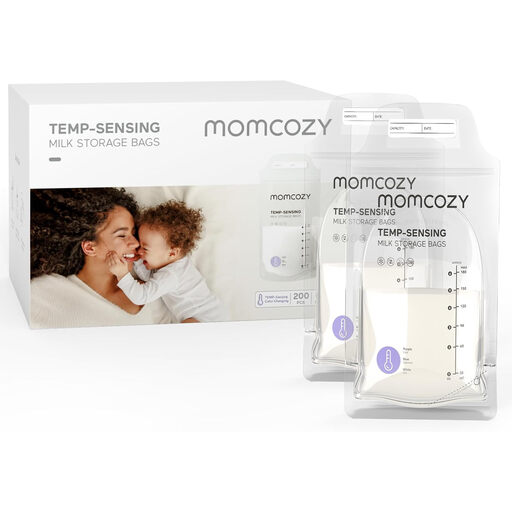
Why This Fits Their Persona: Perfect for mothers who pump regularly (e.g., after returning to work) and want to build an extensive supply. The 200-count bulk pack is cost-effective for long-term use.
The thickened, pre-sterilized, and BPA-free material ensures the highest milk quality and safety, thus avoiding the trap of questionable materials.
Large quantity for cost-effective stockpiling; space-saving design allows for flat freezing for quick thawing.
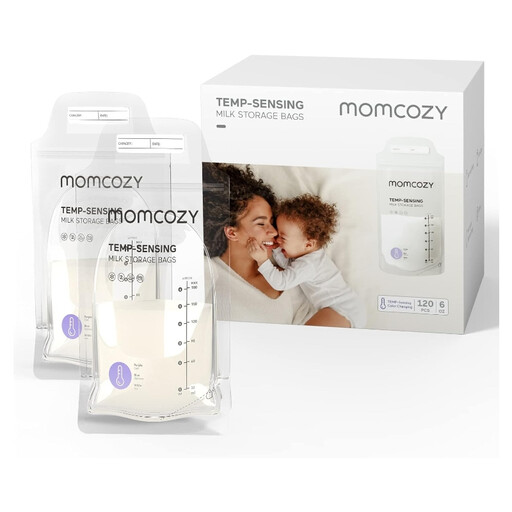
Why This Fits Their Persona: For parents who prioritize extra safety features and maximum convenience. The temperature indicator provides a visual check and peace of mind during preparation.
Solves the problem of impractical handling with a sturdy self-standing base, a separate pouring spout to prevent contamination, and the useful temperature indicator.
Integrated temperature indicator for a safe feeding temperature; hygienic design with separate openings for filling and pouring.
We have compiled a complete, up-to-date list of products that fully meet these strict selection criteria and safety regulations.
The storage life of breast milk depends on the storage location. The following timeframes are general guidelines:
Always label the bags with the pumping date to use the oldest milk first.
The safest method is to thaw them slowly overnight in the refrigerator. If you need it faster, you can hold the sealed bag under running lukewarm water (maximum 104°F / 40°C) or place it in a warm water bath. Never use a microwave or boiling water, as this can cause uneven heating and destroy valuable nutrients.
Most breast milk storage bags on the market are designed as single-use products. Reusing them is not recommended, as thorough cleaning and sterilization at home is nearly impossible. This could lead to bacterial growth and contamination of the milk. For maximum hygiene and safety, you should use each bag only once.