Batch-prepping panini makers
If you’re preparing several filled rolls, compare your bread’s dimensions with the closed grill surface rather than using the stated surface area to estimate a set number of portions.


For larger batches or bigger Brie paninis, first check whether your bread and filling will fit on the usable surface of the closed appliance, and how easy the plates are to clean. A contact grill may suit batch cooking; for smaller portions and limited storage space, consider a sandwich maker with panini plates. An appliance with fixed triangular plates is less versatile when it comes to longer rolls. A frozen-food setting or a browned surface does not prove that the filling has been heated sufficiently. When reheating food that has already been cooked, the BfR recommends at least 70 °C for two minutes throughout.
If you’re preparing several filled rolls, compare your bread’s dimensions with the closed grill surface rather than using the stated surface area to estimate a set number of portions.
If Brie might leak out, removable plates and the care instructions for the specific model are important. Removable doesn’t automatically mean dishwasher-safe.
If you want to put away a smaller appliance, consider the size of your paninis and any accessories. Defrosting and reheating food safely are separate considerations.
First, compare your bread size and filling height with the usable surface when the appliance is closed. Then consider care instructions, temperature control and how much space the appliance and its plates will take up.
| What matters | What to look for when buying | Who should pay particular attention? |
|---|---|---|
| Fit and capacity | Compare the length, width and filling height of your bread with the model’s grill surface and lid when closed. | If I’m preparing several paninis, I want to work out whether the surface will fit my bread. Around 36% of consumers put fit and capacity first. |
| Cleaning after Brie | Check whether the plates are removable and whether the instructions say that those specific plates can go in the dishwasher. | If you want to minimise hand-washing after cheese has leaked out, pay particular attention to plate care. Around 29% of consumers put easy cleaning first. |
| Reheating | Check whether you’ll be reheating paninis that have already been cooked or preparing freshly filled paninis that were frozen before cooking; follow the manufacturer’s instructions. | If thorough heating matters when I’m cooking from frozen, I don’t want to mistake browning for a temperature check. Around 21% of consumers prioritise checking food when reheating. |
| Compact size and accessories | Check the size of the panini plates and the storage space needed for the appliance and any additional sets of plates. | If you’re short on space and want to make other snacks too, compare the size and the plates included. Around 14% of consumers put compactness and versatility first. |
Paninis are toasted between closed plates, so the open tabletop-grill surface doesn’t tell you directly how many filled rolls will fit at once.
Compare the dimensions of your bread with the usable surface when the appliance is closed. Don’t use the stated surface area to estimate a set number of portions.
If fewer rolls fit at once than you expected, you may need to toast extra batches, adding time to your meal prep.
Care instructions vary by model: removable plates aren’t automatically suitable for the dishwasher.
Check the instructions for your exact appliance and the set of plates it comes with.
If Brie sticks to the plates, you may need to wash them by hand.
A programme or browned exterior doesn’t prove that every part of the filling has reached a specific temperature.
When reheating food that has already been cooked, the BfR recommends at least 70 °C for two minutes throughout; if in doubt, check the temperature. This isn’t a toasting guide for a specific appliance.
According to Krups, the FDK461 has fixed triangular plates and no adjustable hinge or thermostat. Being featured in a sandwich maker test doesn’t prove that it’s suitable for long Brie paninis.
Check the shape of the plates and the hinge clearance for your bread before choosing this type of appliance.
The range includes compact appliances with interchangeable panini plates as well as larger contact grills.
According to Severin, the KG 2398 is a contact grill with temperature control that’s suitable for paninis.
The HD2350/80 may appeal if you want to switch between panini, sandwich and waffle plates.
According to WMF, the Lono Contact Grill 2in1 is designed for making paninis with the appliance closed and tabletop grilling when opened out.
According to Krups, the FDK461 is a classic sandwich maker with triangular plates, not a dedicated panini press.
This selection includes contact grills and sandwich makers described as suitable for paninis; compare the plate dimensions with your bread.
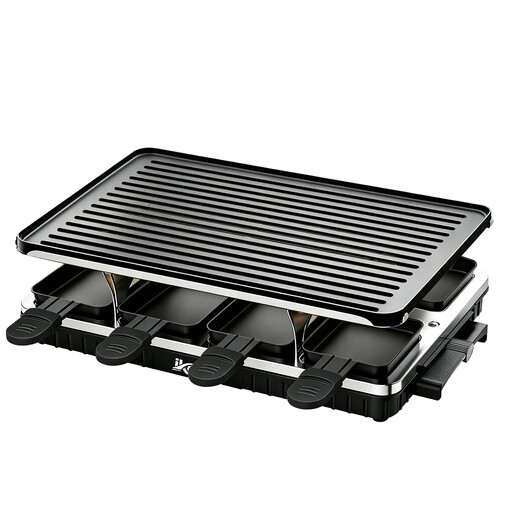 No image available
Described as suitable for paninis; compare the plate dimensions with your bread rather than using them to estimate a set number of portions.
The description lists 37 × 25 cm plates and heating on both sides.
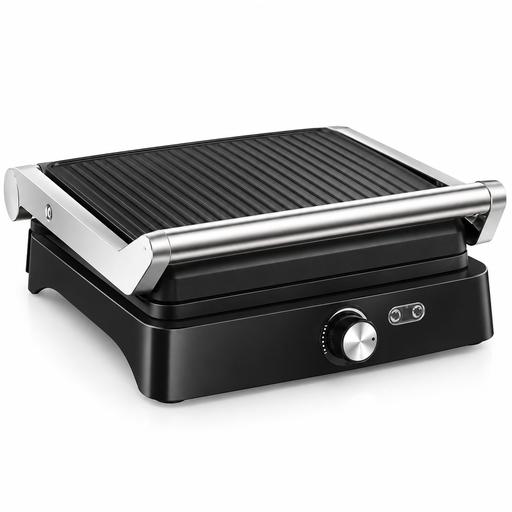 No image available
The product description says it can be used for paninis; check whether your bread and Brie filling will fit on the plates.
According to the description, it has a height-adjustable hinge and a removable crumb tray.
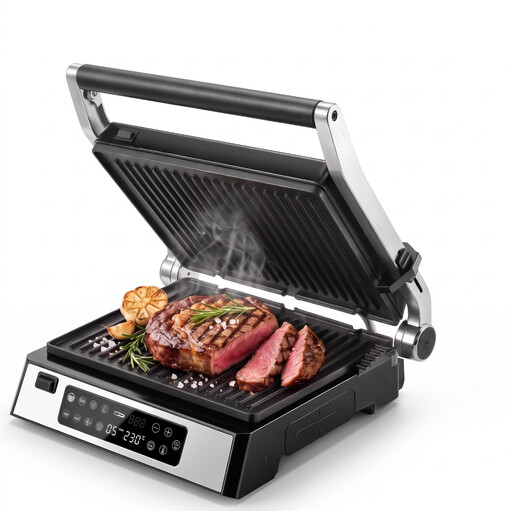 No image available
The product information describes a panini maker with manual temperature and time settings; these settings don’t measure the temperature inside the filling.
According to the description, it comes with four removable, dishwasher-safe plates and opens to 180°.
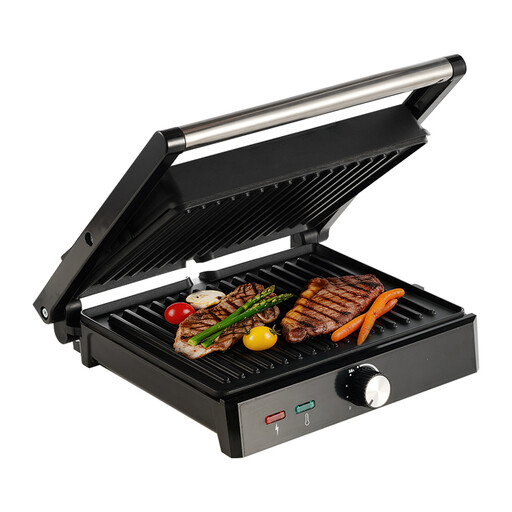 No image available
Described as a panini press; compare the plate dimensions with the size of your bread.
The title lists 28 × 22 cm plates. The description mentions a non-stick coating and heating on both sides.
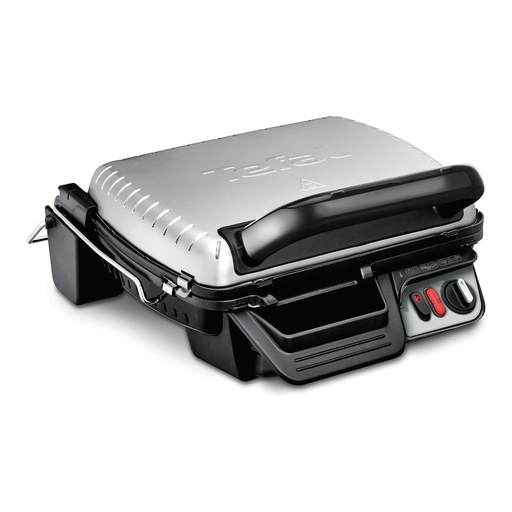 No image available
The description says it can make paninis when used as a closed contact grill. Check the surface with the lid closed to see if your bread will fit.
According to the description, it has a three-position thermostat and removable, dishwasher-safe plates.
When reheating food that has already been cooked, the BfR recommends at least 70 °C for two minutes throughout; a browned surface doesn’t confirm that this has been achieved. The BfR recommends defrosting frozen food in the fridge wherever possible. This doesn’t provide a general toasting time for freshly filled, uncooked paninis that have been frozen.
The Federal Centre for Nutrition recommends using freezer wrapping, bags or containers labelled as suitable for freezing. Make sure your packaging is designed for freezer use.
No, it depends on the model. Tefal says the SW383D plates are dishwasher-safe; Severin says the individual parts of the KG 2398 aren’t dishwasher-safe, while Philips says the HD2350/80 isn’t dishwasher-safe. Always follow the instructions for your specific appliance.
The Federal Network Agency lists correct CE marking, manufacturer details and German-language instructions with any necessary warnings among the checks used for market surveillance. Compare these details with the model you actually receive.