
Lieferung heute & morgen

Qualitätsgarantie

Willkommens-Angebote freischalten: KOSTENLOSE Lieferung | Bis zu 80 % RABATT | Kostenlose 30-Tage-JoyPlus-Testphase
App herunterladen
By Joybuy Product Recommendation Officer, 29 August 2026
LED strips promise a simple and effective way to add a personal touch to any room. Whether as atmospheric TV backlighting, dynamic gaming room lighting, or a subtle accent on furniture – the applications are endless. However, the market is confusing, and many products don't live up to their advertising claims. Before you make a purchase, it's crucial to understand the typical pitfalls that often lead to disappointment and unnecessary expense.
This guide will help you separate the good from the bad. We focus on the objective features that truly matter and show you how to spot the most common flaws and exaggerated marketing promises.
Many buyers experience problems with their newly purchased LED strips after just a short time. These three issues are the most frequent causes of frustration:
To avoid a bad purchase, you should focus on verifiable technical data rather than advertising slogans.
The number of LEDs per metre, also known as LED density, determines how evenly the light is distributed. A low density (e.g., 30 LEDs/m) can lead to visible "hotspots," while a high density (60 LEDs/m or more) creates a more uniform light bar. The actual brightness is measured in lumens (lm). A higher lumen value means brighter light. Look for this specification in the product data to compare luminosity objectively.
The method of control significantly impacts user convenience. Options range from a simple infrared remote to comprehensive smart home integrations. Smart LED strips typically offer app control via Wi-Fi or Bluetooth. This allows for more precise colour adjustments, the creation of schedules, and often synchronisation with music. Check for compatibility with voice assistants like Amazon Alexa or Google Assistant if you plan to use them.
As mentioned earlier, this is a critical criterion.
Here are some recommendations tailored to different user profiles and their requirements.
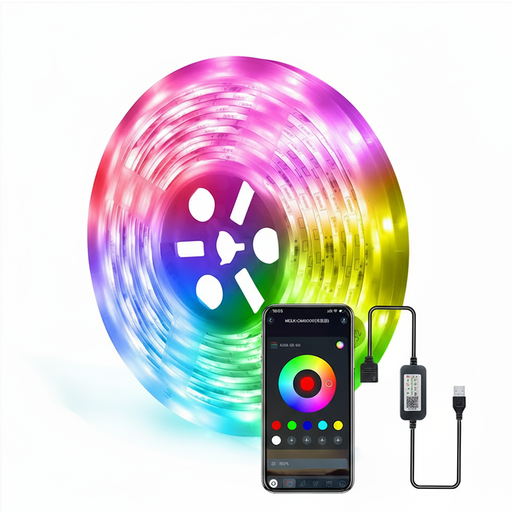
Why This Fits Their Persona: Ideal for users looking for a straightforward and budget-friendly solution for TV backlighting or desk decoration. The USB power supply makes installation on monitors and TVs particularly easy, as no additional power adapter is needed.
Despite its low price, this model offers app control, which allows for more customisation options than a simple remote. The product description also mentions a lifespan of over 50,000 hours and a flexible FPC board, suggesting a more solid construction than no-name products.
Powered directly via a 5V USB port; app control including music synchronisation.
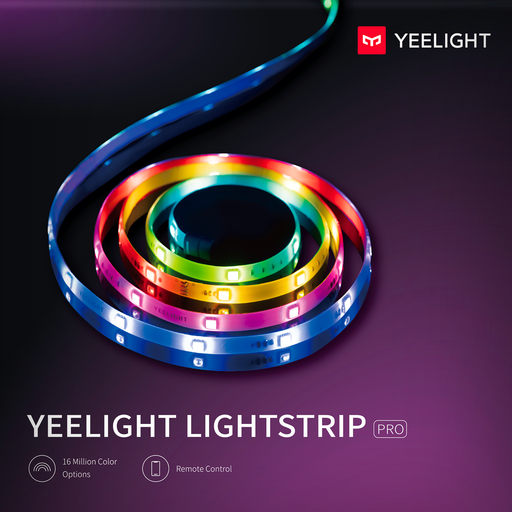
Why This Fits Their Persona: Perfect for users who want to seamlessly integrate their lighting into an existing smart home system. Yeelight is known for its excellent connectivity and reliable app, making this strip a solid choice for automating lighting scenes.
As a product from an established brand in smart lighting, you can expect higher reliability in colour reproduction and software. This bypasses the trap of unreliable apps and inaccurate colours common with unknown brands.
High compatibility with popular smart home ecosystems; polished app control and expandability (e.g., with the Xiaomi Lightstrip Smart Lightstrip Pro Extension).
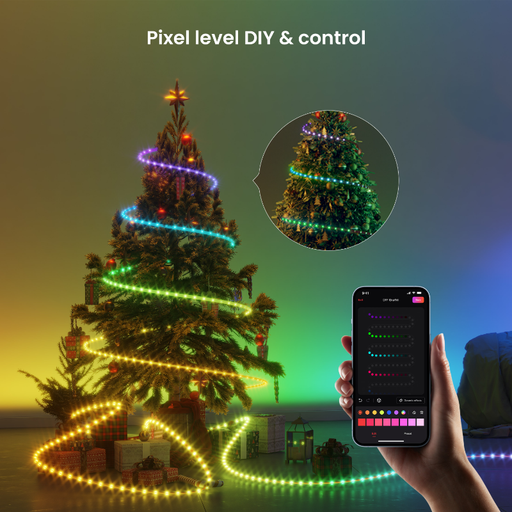
Why This Fits Their Persona: For gamers and home cinema enthusiasts who want to create the most immersive atmosphere possible. RGBIC technology is the key factor here, as it enables dynamic, multi-colour effects that can synchronise with the action on screen or with music.
This product directly addresses the "wrong RGB" pitfall. Instead of just a single static colour, this RGBIC strip delivers the flowing and segmented effects often shown in advertisements but not achievable with standard RGB strips. You get what you expect for a modern gaming setup.
RGBIC technology for multi-colour, dynamic lighting effects; synchronisation with games and music for an immersive experience; expandable with the Yeelight Obsid RGBIC Light Strip Extension.
We have compiled an up-to-date list of products that fully meet these strict selection criteria and applicable safety regulations.
No, if done correctly. Most LED strips have marked cutting points (often with a scissor icon). Cutting at these points only interrupts the circuit for the severed section, without damaging the remaining strip. However, cutting at an unmarked spot will destroy the circuit of the affected segment and can render the strip unusable.
This depends on the power of the adapter and the voltage of the strip. Each strip has a specific power consumption per metre. If you connect too many strips in series, you may experience voltage drop at the end of the line, resulting in dimmer light or colour distortion. Pay attention to the manufacturer's specifications for maximum length or use additional power supplies or amplifiers for long installations.