Watching by the window during the day
If you prefer to keep the curtains open, you’ll want to make out the landscapes despite any reflections from the windows. RTINGS.com highlights reflection handling as an important factor in bright rooms.


For watching travel documentaries in daylight, first check how the TV handles reflections and its SDR brightness at the exact spot where you plan to put it. A bright, low-reflection LCD TV with Mini LED or RGB LED is a useful option to compare, but not a blanket recommendation. OLED may suit you if you often watch in the evening or sit off-centre, but you should still check for reflections if the TV will be near a window.
If you prefer to keep the curtains open, you’ll want to make out the landscapes despite any reflections from the windows. RTINGS.com highlights reflection handling as an important factor in bright rooms.
You want a picture that’s easy to see during the day, while still enjoying good contrast and impact in the evening. The right technology also depends on how the specific TV handles light and reflections in the place where you plan to put it.
If you don’t always sit directly in front of the screen, the size, viewing distance and picture quality from seats off to the side should all work well together. The Verbraucherzentrale recommends checking your usual viewing distance before you buy.
A good fit if: you mostly watch travel documentaries during the day and can check reflections and SDR brightness on the specific model.
Things to weigh up: local dimming and viewing angles vary between models and versions.
A good fit if: you often watch in the evening or need to take seats off to the side into account, and the specific TV is easy enough to see where you plan to put it by the window.
Things to weigh up: the technology name alone doesn’t guarantee a good picture when windows are opposite the screen. You should also consider the OLED-specific risk of burn-in if static images are displayed for long periods.
A good fit if: the screen won’t be directly opposite bright windows and you compare the specific model using measured results and its energy label.
Things to weigh up: ‘LED’ refers to the backlighting of an LCD screen. It doesn’t prove that reflections will be low or that the screen will be bright enough in daylight.
| What matters | What to check when buying | Who should pay particular attention? |
|---|---|---|
| Reflections and brightness | Check the position of your windows, as well as reflection test results and the specific model’s SDR brightness. | If I want to make out landscapes during the day despite light from the windows, what matters to me is how the TV looks in its actual position. Around 36% of consumers say daylight visibility is their top concern. |
| Colour and contrast | Compare the specific model in daylight and in a darkened room. | I want the colours and contrast in travel footage to look right, even when the room is bright. Around 29% of consumers put picture quality first. |
| Seating and screen size | Measure the viewing distance and available space, then check the picture from the seat furthest to the side. | When we watch together, the screen size and picture quality need to work from all our seats. Around 21% of consumers prioritise shared viewing. |
| Reception and energy use | Check how you’ll receive TV and which apps you need; read the EU energy label for the exact model. | I want to watch programmes using my existing reception method or the streaming services I need, and understand how much energy the TV uses. Around 14% of consumers prioritise running costs and reception. |
A good picture in a bright room depends on both brightness and how well the TV handles direct reflections. One specification alone won’t tell you how the picture will look by your window.
First decide where you’ll put the TV, then compare the exact model’s SDR brightness and reflection handling.
The technology alone doesn’t tell you how easy a specific model will be to see in your room or from your seat.
Assess the specific TVs in your own lighting and seating conditions rather than relying on the technology label.
A larger screen needs more space and, according to the Verbraucherzentrale, generally uses more electricity.
Measure your viewing distance and available space, including the stand. Then compare the energy labels for the models you’re considering.
These examples can help you compare models. Features of individual versions shouldn’t be taken as a general statement about an entire brand.
The BRAVIA 9 II K-65XR95M2 is a specific example of an RGB LED LCD TV you could compare for a bright living room.
The Neo QLED QN90F range, with Mini LED LCD technology, is another option to compare for bright rooms.
The OLED65G58LW is a specific OLED option to consider if you’re weighing up daytime and evening viewing.
The 65C8K, listed in Germany, is an example of a QD Mini LED LCD alternative that you should compare by its exact model number.
The 65MLED950/12, introduced in Germany, combines Mini LED LCD with Ambilight as an additional feature.
This selection from Joybuy includes TVs with a range of screen sizes and LCD or QLED features. Check each specific model’s reflection handling and suitability for where you plan to put it.
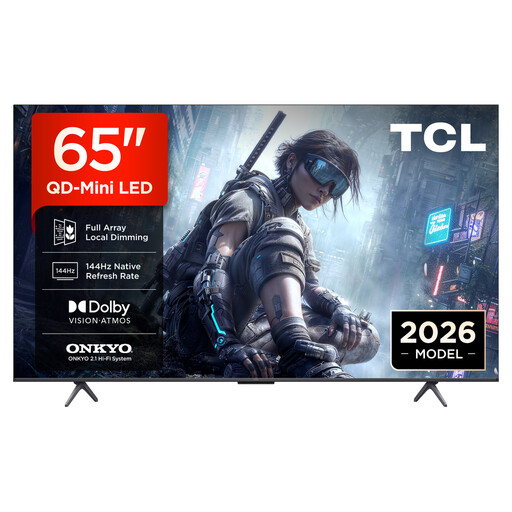 No image available
QD Mini LED dimming makes this a model worth comparing within the LCD category; the technology name alone doesn’t prove how well it handles reflections.
65 inches; QLED; QD Mini LED dimming; 4K HDR; Google TV; 144 Hz VRR.
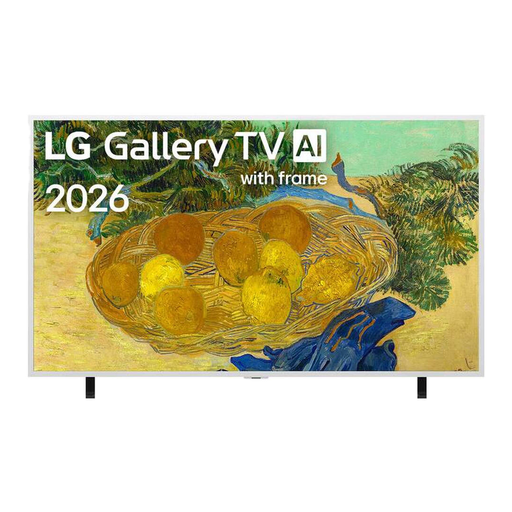 No image available
This 65-inch Mini LED TV is worth including in your comparison for a bright living room; check for reflections where you plan to put it.
65 inches; 4K Mini LED; α7 Gen9 AI processor; Dynamic QNED Color; webOS 26.
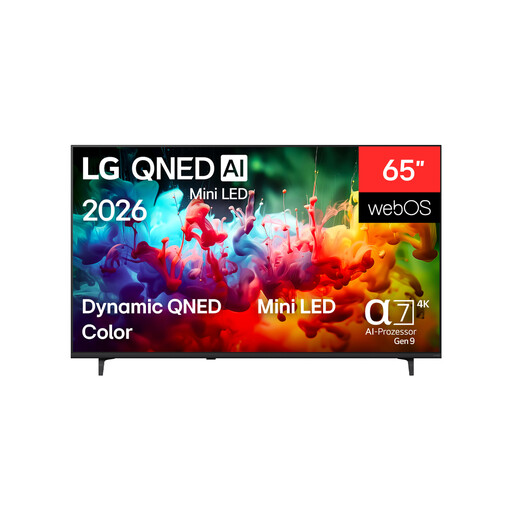 No image available
The 65-inch size makes it easy to compare screen dimensions; check the view from seats off to the side and how this specific model handles reflections.
65 inches; 4K; QNED.
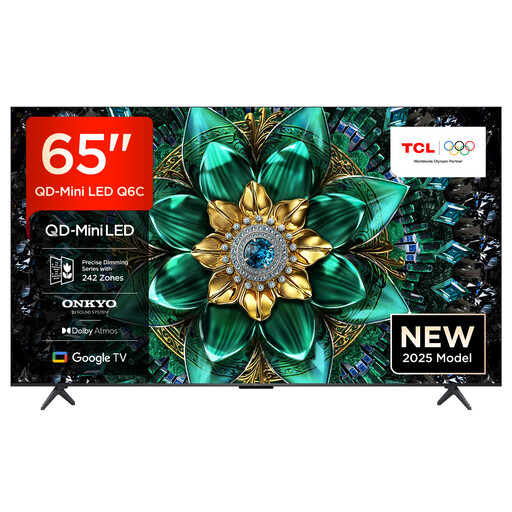 No image available
QD Mini LED is an option worth comparing for bright rooms; check how the individual TV looks where you plan to put it by the window.
65 inches; QLED Mini LED; 4K HDR; Dolby Vision IQ; Dolby Atmos.
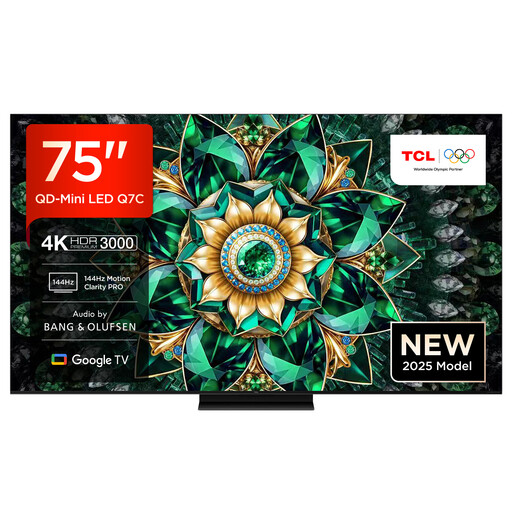 No image available
The 75-inch screen should suit your viewing distance and available space. Check reflections and the view from your seats on the specific model.
75 inches; QLED Mini LED; 4K HDR; Dolby Vision IQ; Dolby Atmos.
No, that figure alone doesn’t give you the full picture. Also compare the specific model’s SDR brightness and reflection handling, especially if there are windows opposite the screen. RTINGS.com lists both as important for bright rooms.
Measure your usual viewing distance and the space available, including room for the stand. Also check whether you’ll watch programmes using your existing reception method or over the internet; internet-connected smart TV features need a suitable connection. The Verbraucherzentrale recommends taking viewing distance and reception method into account when choosing a TV.
Follow the instructions for the model you’ve bought. For TVs with a coated screen, Sony recommends starting with a clean, dry microfibre cloth and advises against spraying liquid directly onto the screen. This manufacturer’s guidance doesn’t automatically apply to other brands.
No. In Germany, electrical waste must be returned and disposed of separately. The Federal Ministry for the Environment explains the take-back obligations that apply to certain retailers. For details of how to return your TV, contact the retailer or a local collection point.