
Lieferung heute & morgen

Qualitätsgarantie

Willkommens-Angebote freischalten: KOSTENLOSE Lieferung | Bis zu 80 % RABATT | Kostenlose 30-Tage-JoyPlus-Testphase
App herunterladen
By the Joybuy Product Recommendation Officer, August 30, 2026
An uneven skin tone, dark spots, or a dull complexion can diminish your confidence in your skin. The market for brightening creams promises a quick fix, but the selection is vast and the marketing claims are often confusing. To help you make an informed decision and avoid wasted money, we've summarised the most common pitfalls and the most important selection criteria.
Many products don't deliver on their promises. Watch out for these three typical marketing traps to avoid disappointment.
To find a cream that meets your needs, you should examine three core aspects. These will help you objectively evaluate a product's effectiveness.
A well-designed formula combines various ingredients that target different stages of pigment formation. Established active ingredients include:
For daytime use, a face cream with SPF is essential. Look for broad-spectrum protection (UVA and UVB) with an SPF of at least 30, or preferably 50. This is the most important step to protect the skin from new damage and ensure the effectiveness of the brightening ingredients.
The effectiveness of ingredients like Vitamin C depends heavily on a stable formulation that protects them from light and air. Additionally, the product's texture should suit your skin type and feel pleasant, so you'll enjoy using it regularly.
Based on the criteria above, we have selected a few products for different user profiles.
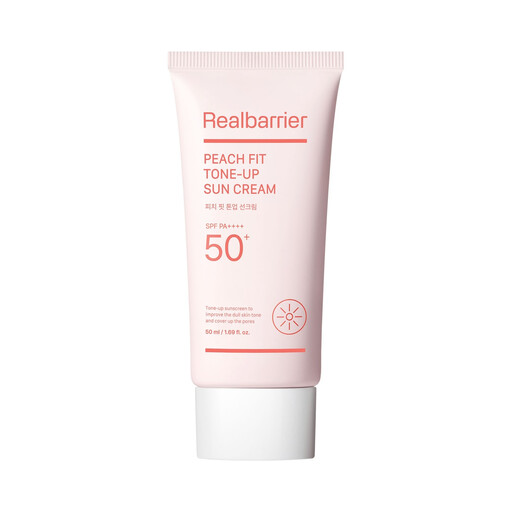
Why This Fits Their Persona: Ideal for users seeking a straightforward daily moisturiser. It combines high sun protection with nourishing ingredients and a light tinting effect that instantly evens out the complexion without relying on short-lived mica particles.
Addresses the most critical point: The very high sun protection factor of SPF 50+ PA++++ actively prevents the formation of new dark spots, rather than just treating existing ones.
Contains Niacinamide and Vitamin C to support a radiant complexion. The peach-coloured tint visually evens out the skin tone.
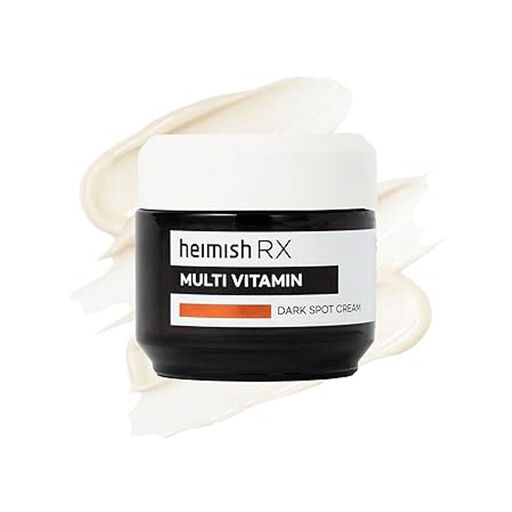
Why This Fits Their Persona: Designed for individuals who want to specifically target existing dark spots and an uneven skin tone. The formulation is focused on reducing hyperpigmentation.
Avoids the "single-ingredient" hype by combining 5% Niacinamide and Vitamin C from Kakadu Plum extract. This synergy addresses pigmentation through multiple pathways.
The 5% concentration of Niacinamide is a well-known level for improving skin tone. According to the manufacturer, the cream is tested as non-irritating, making it an option for more sensitive skin types.
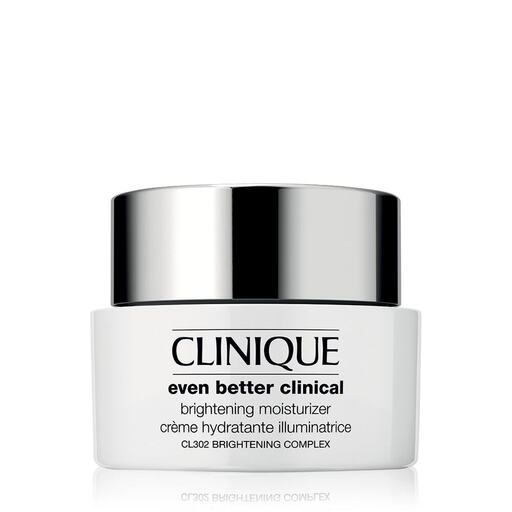
Why This Fits Their Persona: For discerning users seeking a multi-functional cream that not only brightens but also moisturises, soothes redness, and strengthens the skin barrier. A comprehensive approach for mature skin.
Relies on a scientifically-backed complex (CL302 Brightening Complex) instead of a single trending ingredient. This complex aims to correct various types of discolouration.
The formula contains Hyaluronic Acid for intense hydration and soothing plant extracts. It is fragrance-free and allergy-tested, making it suitable for many skin types.
We have compiled a complete, up-to-date list of products that fully meet these strict selection criteria and current safety regulations.
Patience is key. The skin renews itself in a cycle of about 28 days, which can be longer for mature skin. Therefore, the first visible improvements in hyperpigmentation typically appear only after 4 to 12 weeks of consistent, daily use. The result depends on the product's formulation, your skin type, and the regularity of application.
Yes, but with caution. If your brightening cream already contains potent active ingredients like Vitamin C or Niacinamide, you should be careful about combining it with other highly concentrated products (e.g., Retinol or AHA/BHA serums) to avoid skin irritation. Introduce new products into your routine slowly and observe your skin's reaction. Daily sun protection is always mandatory when using brightening ingredients.
That depends on the specific formulation. Products designed for sensitive skin often contain lower concentrations of active ingredients and are enriched with soothing ingredients like panthenol, allantoin, or ceramides. Look for products labelled as "fragrance-free" or "suitable for sensitive skin." A patch test, where you first test the product on a small area of skin (e.g., behind the ear), is always a good precaution.