
Lieferung heute & morgen

Qualitätsgarantie

Willkommens-Angebote freischalten: KOSTENLOSE Lieferung | Bis zu 80 % RABATT | Kostenlose 30-Tage-JoyPlus-Testphase
App herunterladen
An uneven skin tone, dark spots, or a dull complexion can detract from your skin's natural radiance. A carefully selected brightening face cream can help significantly improve your skin's appearance. However, the market is flooded with an overwhelming number of products whose marketing claims often create more confusion than clarity. Before you make a decision, it's crucial to understand the common pitfalls that can lead to unsatisfying results and unnecessary expense.
Pitfall 1: The "Instant Glow" Effect from Optical Brighteners. Some creams create an immediate but purely superficial shimmer using ingredients like titanium dioxide or mica particles. This effect washes off and does not contribute to the long-term improvement of your skin. The actual goal of addressing the root causes of an uneven complexion is not achieved.
Pitfall 2: Unstable Active Ingredient Formulations. Pure Vitamin C (L-Ascorbic Acid), in particular, is highly susceptible to oxidation from light and air, which causes it to lose its effectiveness. A cream in a clear jar or with an unstable formula can lose its potency even before you use it. The product becomes ineffective before it has a chance to work on your skin.
To make an informed decision, you should focus on objective product features. The following three parameters are crucial for the functionality of a cream for dark spots and for achieving a visibly more even complexion.
A single active ingredient can rarely cover all aspects of skin brightening. Effective formulations rely on a synergistic combination of ingredients that work on different pathways.
The effectiveness of a cream depends heavily on its stability. Pay attention to the packaging: opaque tubes or airless pump dispensers protect sensitive ingredients like Vitamin C and antioxidants from degradation due to light and oxygen exposure. A simple jar typically does not offer this protection. The base of the cream (e.g., a lightweight gel texture or a rich emulsion) should also be formulated to keep the active ingredients stable and promote their absorption into the skin.
A higher concentration of an active ingredient is not automatically better. An excessive dosage can lead to irritation, especially for sensitive skin. Look for products that transparently disclose their active ingredient concentrations and ensure they are within a proven effective yet tolerable range. A good cream for an even skin tone will also contain soothing ingredients like Centella Asiatica (Tiger Grass), Panthenol, or Hyaluronic Acid to support the skin barrier and ensure the tolerability of the active ingredients.
Based on the criteria above, we have identified several products suitable for different user profiles and skin needs.
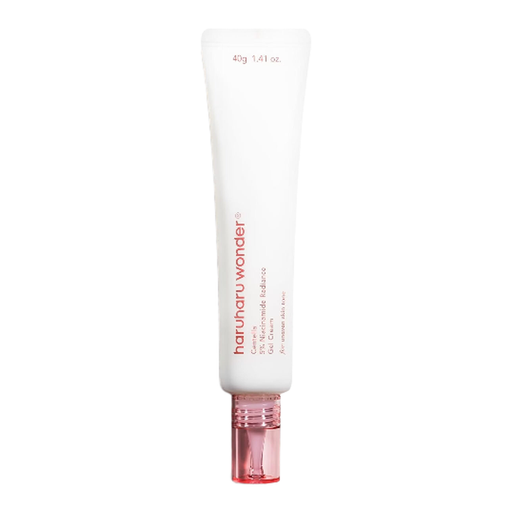
Why This Fits Their Persona: Ideal for those seeking an effective yet gentle K-Beauty brightening cream. The lightweight gel texture is easy to incorporate into a routine and is well-suited for normal to oily skin types or as an introduction to active-based skincare.
The formula relies on a proven concentration of 5% niacinamide and avoids short-lived optical effects. Instead, the skin is soothed by Centella Asiatica, which enhances tolerability.
Combines 5% Niacinamide with soothing Centella Asiatica and Madecassoside. The fragrance-free formula is also suitable for more sensitive skin conditions.
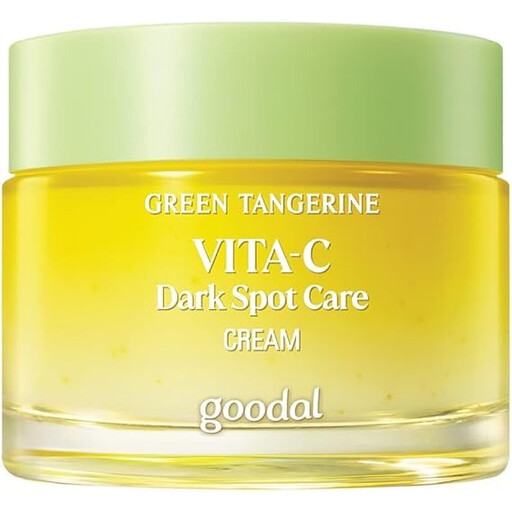
Why This Fits Their Persona: Suitable for users looking for a comprehensive solution for visible dark spots and an uneven skin tone. The complex formula aims to improve the skin's appearance on multiple levels.
Instead of relying on a single active, this cream combines multiple stable Vitamin C derivatives with Niacinamide and Alpha-Arbutin. The tube packaging protects the ingredients from oxidation.
Multi-faceted formula with Green Tangerine Extract, Niacinamide, Alpha-Arbutin, and various Vitamin C derivatives. The vitamin capsules within the cream are designed to maintain the freshness of the active ingredients.
We have compiled a complete, up-to-date list of products that fully meet these strict selection criteria and UK/EU safety regulations.
Improving your skin's appearance is a gradual process. With consistent daily use, you can expect to see initial visible changes in skin tone and radiance after about 4 to 8 weeks. For more stubborn dark spots, it may take 3 months or longer to see significant lightening. Patience and consistent application are key.
Yes, you can and should use them in the summer, as antioxidants like Vitamin C provide additional protection against environmental stressors. However, it is essential to consistently use a broad-spectrum sunscreen with a high SPF (30 or higher) during the day. Acids (AHA/BHA) can increase the skin's sensitivity to light, making reliable sun protection absolutely necessary to prevent new dark spots.
Both ingredients contribute to a more even complexion, but they do so in different ways. Niacinamide works primarily by inhibiting the transfer of melanin (the skin's pigment) to the skin's surface and by strengthening the skin barrier. Vitamin C is a powerful antioxidant that protects the skin from free radicals that can lead to pigmentation, and it also inhibits an enzyme (tyrosinase) that is crucial for melanin production. When combined, they can synergistically enhance each other's effects for a radiant complexion.