
Lieferung heute & morgen

Qualitätsgarantie

Willkommens-Angebote freischalten: KOSTENLOSE Lieferung | Bis zu 80 % RABATT | Kostenlose 30-Tage-JoyPlus-Testphase
App herunterladen
Pigmentation, a dull complexion and uneven-looking skin can lead many people to look for a face cream for pigmentation. The choice ranges from vitamin C face creams and products containing niacinamide to Korean skincare with alpha-arbutin or tranexamic acid. The claims often sound similar, but the formulations can vary considerably.
So it’s not just the product name that matters, but the combination of ingredients, skin tolerance, texture, packaging and daily sun protection. A cream can help improve the appearance of uneven-looking skin, but it is no substitute for having unusual or changing skin marks checked by a dermatologist.
Vitamin C, niacinamide, alpha-arbutin, tranexamic acid and hyaluronic acid all serve different purposes. Hyaluronic acid, for example, is primarily used to help retain moisture, while niacinamide is included in many formulations to care for skin and promote a more even-looking complexion. Simply seeing an ingredient mentioned tells you nothing about its concentration, stability or how well the full formula will suit your skin.
UV rays can contribute to the formation and darkening of visible discolouration. That’s why you should pair a cream for hyperpigmentation with a suitable broad-spectrum sunscreen during the day. Products with built-in SPF can be convenient, but you still need to apply them generously and evenly. If you’re spending longer outdoors, reapplying and taking additional protective measures are important.
Combining vitamin C, AHA, BHA, retinoid-like ingredients and heavily fragranced products can make your skincare routine unnecessarily complicated. If your skin is sensitive or dry, it’s best to introduce products gradually. A patch test on a small area of skin can help you assess how well a product suits you. Stop using it if you experience redness, stinging or itching.
Check the full INCI list on the packaging. A vitamin C face cream, for example, may contain stabilised derivatives such as Ascorbyl Glucoside or Sodium Ascorbyl Phosphate. Niacinamide is often found in products designed to promote a more even-looking skin tone. Alpha-arbutin and tranexamic acid are other ingredients used in cosmetic brightening creams.
An ingredient’s position in the list gives a rough indication of how much is included, but it doesn’t directly tell you how effective the product will be. Claims such as ‘clinically tested’ should only be assessed alongside specific, verifiable information. Cosmetic products must not claim to treat skin conditions.
Creamy formulas with glycerin, hyaluronic acid, panthenol, squalane or ceramides are often a good choice for normal to dry skin. A gel cream may feel lighter on combination skin or in summer. Mature skin often benefits from a richer anti-ageing face cream, provided you tolerate its fragrance and other ingredients.
Also check the pack size. A small jar with premium packaging isn’t automatically better value than a larger, simply formulated cream. If you use a product every day, the amount you need and its shelf life will affect the real cost.
Vitamin C derivatives are usually more stable than pure ascorbic acid, but the cream should still be protected from direct light and heat. A clean spatula or a tube can reduce contact with air and fingers. Check the best-before date, batch number and period after opening.
Most products are applied to the face and neck after cleansing and, if you use one, applying toner. When trying new active ingredients, avoid using them at the same time as multiple exfoliants or retinoids to begin with.
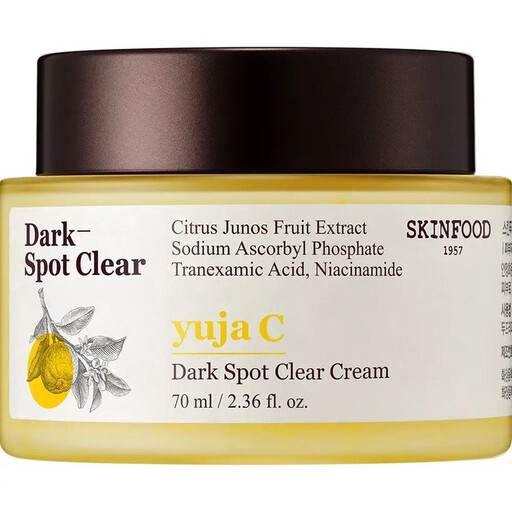
Why this product suits this profile: This lightweight cream combines niacinamide, a stabilised vitamin C derivative, yuja extract and tranexamic acid with glycerin and Sodium Hyaluronate. It’s a good fit for a simple daily skincare routine for normal to dry skin.
The INCI list includes several moisturising and soothing ingredients, such as panthenol and allantoin, rather than relying on a single brightening active ingredient to make its claims.
70 ml size, lightweight texture, plus niacinamide, glycerin and Sodium Hyaluronate in the stated formula.
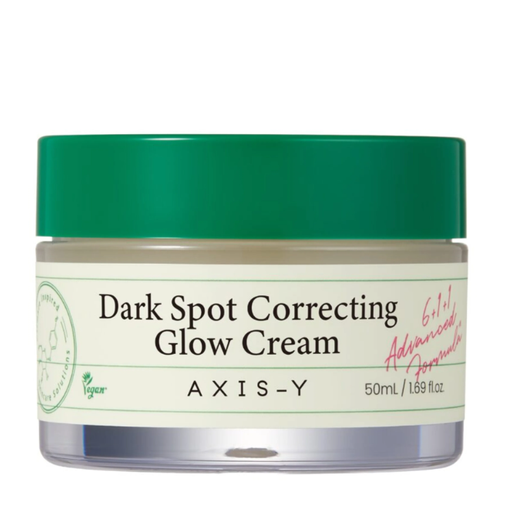
Why this product suits this profile: The stated formula contains 2 % alpha-arbutin, 5 % niacinamide and Ceramide NP. Its gel-to-water texture may appeal if you want hydration without a noticeably greasy finish.
The stated active ingredients and fragrance-free formula make it easier to compare with other products, without relying solely on vague ‘glow’ claims.
Alpha-arbutin, niacinamide, Ceramide NP and a non-sticky gel texture, according to the product description.
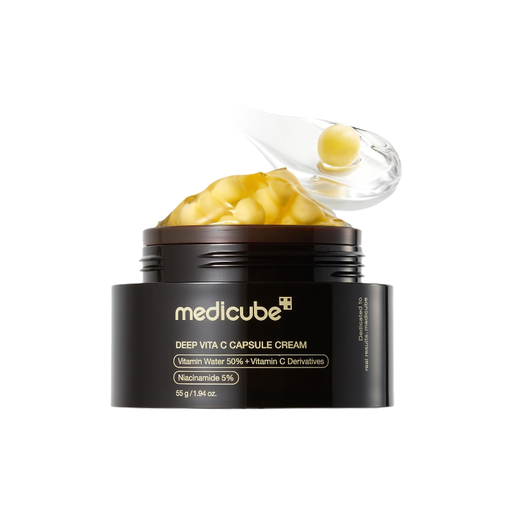
Why this product suits this profile: According to the description, the capsule cream lets you mix the vitamin C capsule with the gel base to suit your needs. It’s designed for people who want to adapt their skincare routine to changing skin needs.
Keeping the capsule and gel base separate makes the application easier to understand. However, given the range of active ingredients, it’s still best to start gradually.
Vitamin C and several derivatives, 5 % niacinamide, alpha-arbutin and Sodium Hyaluronate, according to the stated ingredients list.
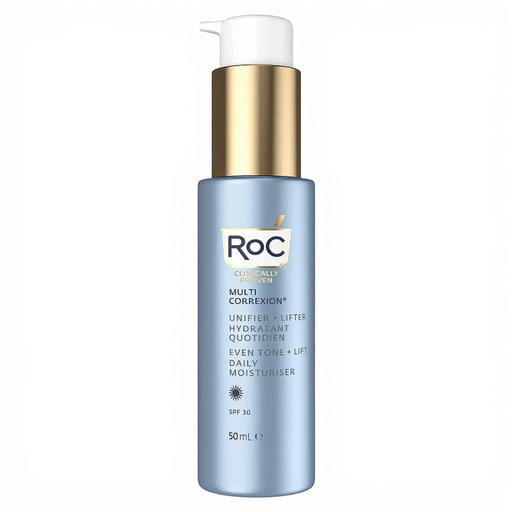
Why this product suits this profile: This day cream combines hydration with stated SPF30 protection and contains niacinamide, panthenol and Sodium Hyaluronate, among other ingredients. It’s a practical choice for a streamlined morning routine.
The SPF is clearly stated. Even so, make sure you apply enough and reapply if you’re spending a long time in the sun.
SPF30, niacinamide, panthenol and Sodium Hyaluronate, according to the product information; designed for morning use.
We’ve put together a comprehensive, regularly updated list of products that fully meet these strict selection criteria and the safety requirements applicable in the EU.
A simple routine could look like this:
If your skin is very dry, an additional moisturiser with niacinamide or a product that supports the skin barrier may be helpful. Take particular care when combining products containing AHA or BHA.
Cosmetic changes to the appearance of your skin don’t usually happen within just a few days. Assess how well your skin tolerates the product, how hydrated it feels and how it looks over several weeks. If you experience a reaction or notice unusual changes to your skin, stop using the product and seek medical advice.
That depends on the type of vitamin C, the rest of the formula and your individual skin. Stabilised derivatives may be gentler in some formulas, but they’re not automatically suitable for everyone. It’s a good idea to patch test and introduce the product gradually.
No. A brightening cream without a stated SPF does not provide reliable UV protection. Even when using a day cream with SPF30, you should apply the recommended amount. In strong sunlight, additional protective measures and regular reapplication are important.