
Lieferung heute & morgen

Qualitätsgarantie

Willkommens-Angebote freischalten: KOSTENLOSE Lieferung | Bis zu 80 % RABATT | Kostenlose 30-Tage-JoyPlus-Testphase
App herunterladen
A brightening face mask can temporarily make dull, dry-looking skin appear more cared for and add hydration to your skincare routine. However, it is worth taking a closer look when choosing a product: terms such as “Brightening”, “Whitening” or “Radiance” do not automatically describe the same effect. The complete INCI list, fit and application instructions are what really matter.
A brightening mask or whitening face mask is a cosmetic skincare product. These terms may refer to a fresher-looking complexion, increased hydration or a more even-looking skin tone. They do not prove that pigmentation will disappear permanently. If you have pronounced or newly appearing skin changes, it is advisable to seek dermatological advice.
Vitamin C, niacinamide, arbutin, glutathione and collagen are often prominently advertised. However, simply mentioning them says little about the formulation as a whole. For sensitive skin, for example, alcohol, fragrances, essential ingredients or several plant extracts may be relevant. The product description and packaging should therefore be checked together.
Sheet masks gradually dry out on the skin. Wearing a mask for longer than recommended, or even leaving it on overnight, can feel uncomfortable and irritate the skin. Most of the products considered here recommend an application time of around 10 to 30 minutes. The manufacturer’s specific instructions always take priority.
A sheet mask should leave suitable openings for the eyes, nose and mouth wherever possible. Large air pockets or fabric that slips can reduce contact with the skin. Thin lyocell, gauze or hydrogel materials often fit closely, but their actual suitability depends on the shape of your face and the amount of essence.
If you choose a Korean sheet mask or Japanese face mask, you should also check that it has clear instructions for use, batch and shelf-life information, and details of the responsible person in the EU. INCI lists may change for some products. The labelling on the packaging you receive is therefore always decisive.
“Suitable for sensitive skin” is not a guarantee of individual tolerance. When using a face mask for sensitive skin, it is advisable to carry out a cautious test on a small area of skin. Do not apply it to damaged, inflamed, swollen or eczema-prone skin. Stop using the product if you experience burning, redness, itching or swelling.
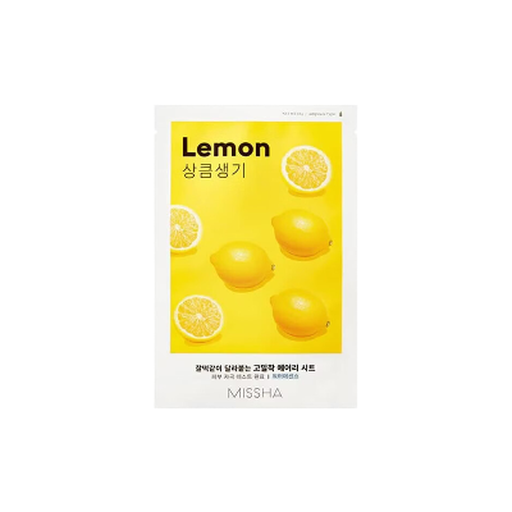
Why this product suits this profile: A single 19-ml sheet mask is ideal for anyone who wants to try brightening skincare in a simple, hassle-free way.
The product information states an application time of 15–20 minutes and refers to the complete ingredients list on the packaging. This makes it easier to set realistic expectations about use.
Lemon extract is named as a key ingredient, while the thin, natural mask material is designed for a short application.
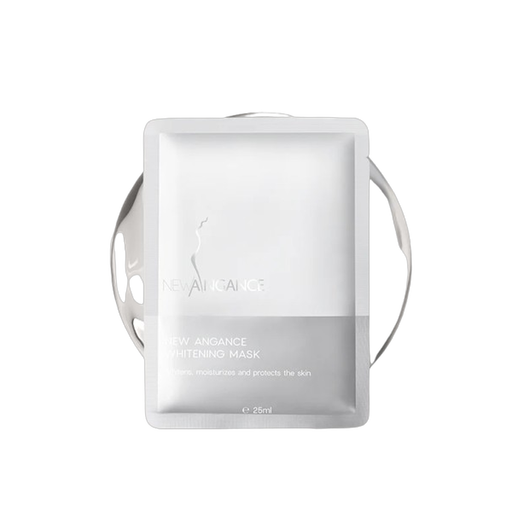
Why this product suits this profile: The pack contains ten individually wrapped masks, making it suitable for a consistent skincare routine with a clearly stated active-ingredient profile.
The formulation lists Melaclear 2, arbutin, liquorice extract, sodium hyaluronate and glycerin. Shoppers can compare the advertised ingredients with the INCI list.
100% natural lyocell fibre material according to the product description; recommended use: two to three times a week.
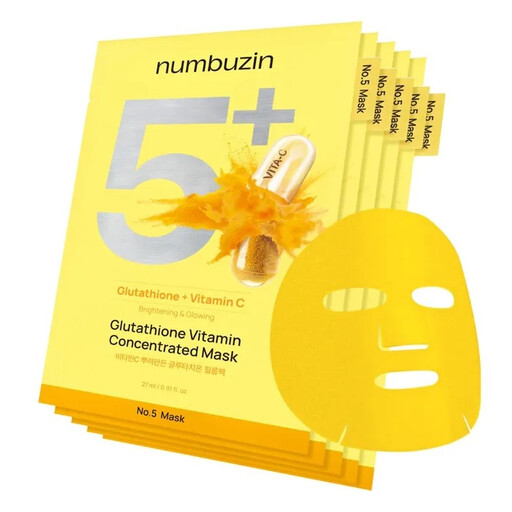
Why this product suits this profile: Suitable for shoppers who want to combine glutathione, vitamin C and niacinamide in a targeted Korean sheet-mask routine.
The product data states an application time of 10–20 minutes and advises checking the current INCI list on the packaging. This helps prevent unrealistic expectations about how long to leave the mask on.
The stated formulation includes glutathione, ascorbic acid, vitamin C derivatives, niacinamide, allantoin and hyaluronic acid.
We have put together a complete, regularly updated list of products that fully meet these strict selection criteria and the safety regulations applicable in the EU.
A sheet mask is an additional skincare step and does not replace daily basic skincare or medical treatment. If you have dry skin, applying a cream afterwards may be beneficial.
This depends on the formulation. Many products recommend using them once to three times a week; according to the manufacturer’s instructions, some masks can also be used more frequently. If your skin is sensitive or already irritated, start with longer intervals between applications.
A vitamin C face mask can add hydration and vitamin C derivatives to your skincare routine. However, this does not guarantee the removal of pigmentation. The specific formulation, regular tolerance and consistent UV protection are all important.
The feeling of increased hydration or smoothness varies from person to person and may be temporary. The product’s shelf life is determined by the best-before or expiry date printed on the packaging. Opened single-use masks should be used immediately and not reused.