
Lieferung heute & morgen

Qualitätsgarantie

Willkommens-Angebote freischalten: KOSTENLOSE Lieferung | Bis zu 80 % RABATT | Kostenlose 30-Tage-JoyPlus-Testphase
App herunterladen
A brightening face mask can temporarily leave dull-looking skin feeling cared for and hydrated. Many products are marketed as “whitening face masks”, “brightening sheet masks” or sheet masks for pigmentation spots. However, “whitening” in an international product name does not mean a permanent change to your natural skin colour. It usually refers to a more even, radiant-looking complexion achieved through hydration and selected cosmetic ingredients.
It’s worth checking the product details carefully before you buy. Otherwise, three common marketing pitfalls can easily lead you to choose the wrong product:
There are several formulations to consider when choosing a face mask for radiant-looking skin:
If you have sensitive skin, also check for fragrance, alcohol, essential oils and combinations containing a large number of active ingredients. “Natural” doesn’t automatically mean a formulation will be better tolerated.
Lyocell, non-woven fabric and especially fine-woven fibres differ in how well they adhere to the skin and absorb liquid. A sheet mask for a more even-looking complexion should fit as closely as possible without pressing on your eyes or lips. 3D cuts can provide better coverage around the nose, jawline and chin.
The amount of essence in each mask is also worth checking. Figures such as 23 ml, 25 ml or 30 ml indicate how much liquid is included, but aren’t a quality guarantee on their own. A large amount can drip from a thin mask, while a smaller amount may be sufficient if the mask fits well.
Depending on the product, the recommended application time is usually between 5 and 30 minutes. Follow the manufacturer’s instructions. A sheet mask is designed for one use only and must not be reused.
Before using a mask for the first time, it’s a good idea to test it on a small area of skin. If you experience burning, itching, redness or swelling, remove the product and don’t use it again. Don’t apply a brightening face mask to broken, irritated or sunburnt skin. During the day, make sure you also use a suitable sunscreen as part of your skincare routine, especially if you’re using products with vitamin C derivatives or acidic ingredients.
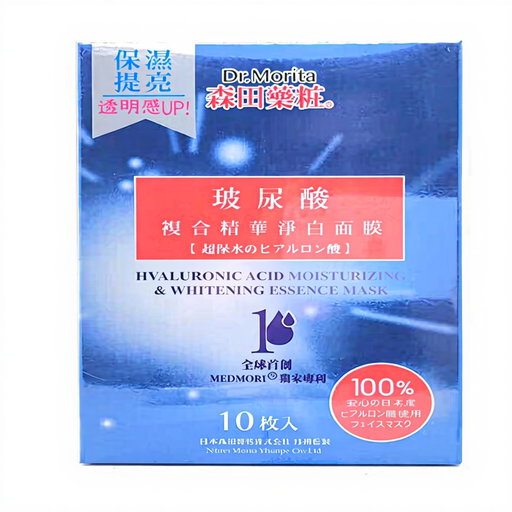
Why this product suits this profile: The pack contains 10 sheet masks and combines hyaluronic acid, vitamins B3 and B5, and hydrolysed collagen with a finely woven mask.
The clear pack size and stated application time of 15–20 minutes make it easier to use regularly without leaving it on for longer than necessary.
10 individual masks, hyaluronic acid with different molecular weights, and a product description stating that it is fragrance-free or has a light, natural scent.
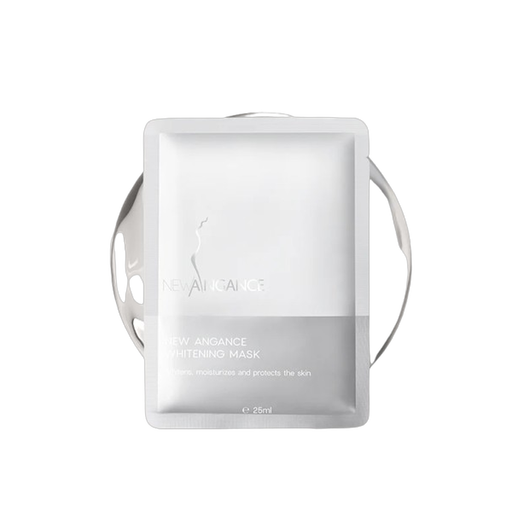
Why this product suits this profile: According to the product details, the formula contains arbutin, liquorice extract, sodium hyaluronate and dipotassium glycyrrhizinate. The Lyocell material is described as especially fine.
The ingredients and recommended application time of 20–30 minutes are clearly listed, making it easier to fit the mask into your routine with a specific purpose in mind.
10 individual masks, each with 25 ml of essence, and material made from Lyocell fibres.
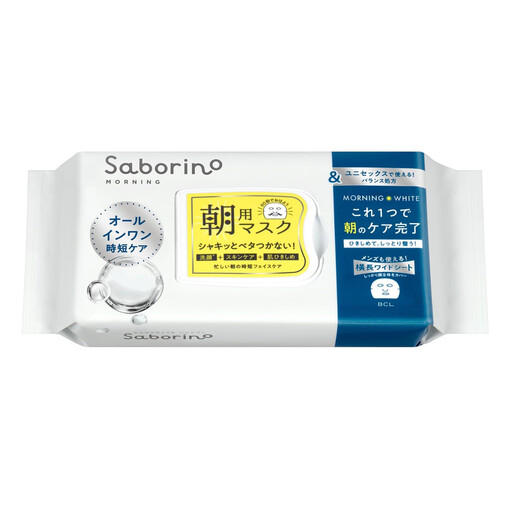
Why this product suits this profile: The pack contains 32 masks for a quick morning application of around 60 seconds, making it a good option if you’re short on time.
The short application time reduces the risk of leaving the sheet mask on for too long. Alcohol, menthol, fragrance and tea tree oil are listed in the INCI ingredients and should be taken into account if you have sensitive skin.
32 masks per pack, ascorbyl glucoside, sodium hyaluronate and an application designed specifically for the morning.
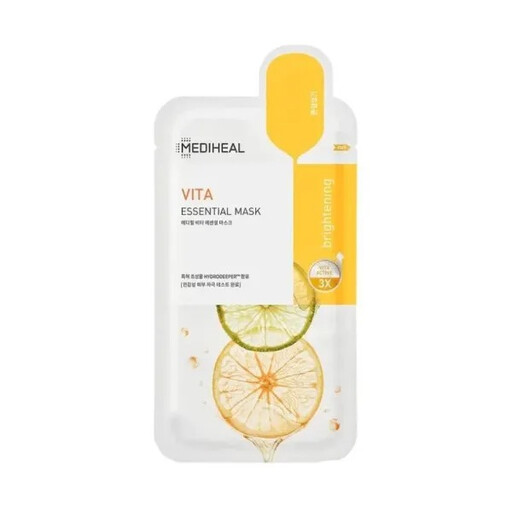
Why this product suits this profile: The formula lists ascorbic acid, niacinamide, arbutin, sodium hyaluronate, allantoin and dipotassium glycyrrhizinate. It’s aimed at people looking to combine several familiar brightening and hydrating ingredients.
The recommended application time of 15–20 minutes is clearly stated. When using vitamin C, remember to use sunscreen during the day and consider how well your skin tolerates the product.
10 individual masks, combining vitamin C, niacinamide, arbutin and hydrating ingredients.
We’ve put together a complete, regularly updated list of products that meet these strict selection criteria and fully comply with the safety regulations in force in the EU.
Korean and Japanese sheet masks are available in a range of formats, from quick morning masks to richer 3D or two-step treatments. A shorter application time isn’t automatically enough for sensitive skin, but it may be easier to fit into your routine. The key factors are still the specific INCI list and how your skin responds.
It depends on the product. Many masks are intended for use once or twice a week, while others are designed for a quick daily morning routine. Always follow the manufacturer’s instructions. If you have sensitive skin, it’s sensible to start gently and leave longer gaps between applications.
A sheet mask can hydrate your skin and temporarily make your complexion look more even. It isn’t a substitute for dermatological treatment and shouldn’t be expected to deliver permanent medical results. If you have pronounced pigmentation changes or notice new ones, seek advice from a dermatologist.
The effect you notice straight away is often due to hydration and a smoother-looking complexion. How long it lasts varies from person to person and depends on your skin’s condition, skincare, environmental factors and how regularly you use the mask. Focus on a consistent routine rather than leaving the mask on for especially long.