
Lieferung heute & morgen

Qualitätsgarantie

Willkommens-Angebote freischalten: KOSTENLOSE Lieferung | Bis zu 80 % RABATT | Kostenlose 30-Tage-JoyPlus-Testphase
App herunterladen
A dull complexion, dry skin or visibly uneven pigmentation are among the most common reasons for looking for a face mask for glowing skin. Brightening face masks can complement your skincare routine and temporarily leave your skin looking fresher and more cared for. The key, however, is to distinguish product claims from information that can be verified.
Terms such as “Whitening”, “Brightening” or “Radiance” usually describe the desired cosmetic effect of a more even-looking complexion. They are not proof of a lasting reduction in pigmentation. A face mask for dark spots should therefore not be seen as a substitute for a complete skincare routine or advice from a dermatologist.
Vitamin C, niacinamide, glutathione, arbutin and kojic acid are often highlighted in product descriptions. However, concentrations, chemical forms, pH levels and the rest of the formula can vary considerably. Fragrance, alcohol and plant extracts may also be relevant if you have sensitive skin. That’s why the current INCI list on the packaging is more important than a single ingredient mentioned in the marketing copy.
Many sheet masks are designed to be left on for 10 to 20 minutes. Some hydrogel masks may have a considerably longer recommended wear time. Don’t leave a mask on for longer than stated or wear it while you sleep, unless the manufacturer expressly recommends this. If the material dries out, it may leave your skin feeling less comfortable.
Different formulas may suit a dull-looking complexion:
A Korean sheet mask is usually made from a serum-soaked sheet. Hydrogel masks fit more closely to the contours of your face and may change as you wear them. The following details can help you choose:
Before using a product for the first time, it’s a good idea to do a patch test on a small area of skin, especially if it contains vitamin C, fragrance, fruit extracts or a complex blend of active ingredients. Don’t use it on broken, irritated or sunburnt skin. If you experience stinging, redness, swelling or itching, remove the product and stop using it. If skin changes persist, consult a dermatologist.
After use, gently pat any remaining essence into your skin. Daily sun protection should be part of your daytime skincare routine, whichever mask you choose, as UV exposure can affect the appearance of uneven pigmentation.
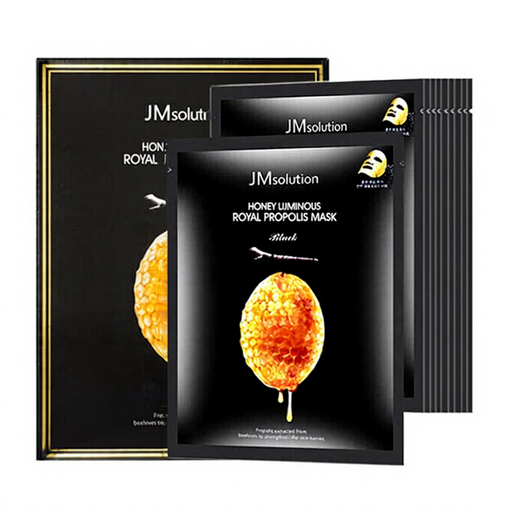
Why this product suits this profile: The pack of 10 individually wrapped masks is a good option if you’re looking to build a regular skincare routine with a focus on hydration.
The larger pack makes it easier to keep track of the cost per mask. Before buying, check the INCI list for fragrance and any other ingredients you may be sensitive to.
10 individually wrapped masks; honey and propolis extracts, plus hydrating ingredients, according to the product description.
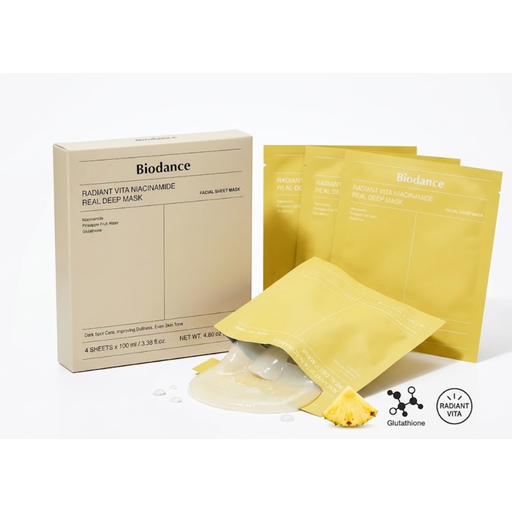
Why this product suits this profile: This hydrogel mask is for anyone who pays close attention to the material, how well it fits the contours of the face and its stated wear time.
The recommended wear time is clearly stated as 15–20 minutes. However, the mask’s transparent appearance is no guarantee of effectiveness.
4 masks, each containing 34 g; niacinamide, panthenol, Centella asiatica and Sodium Hyaluronate according to the stated formula.
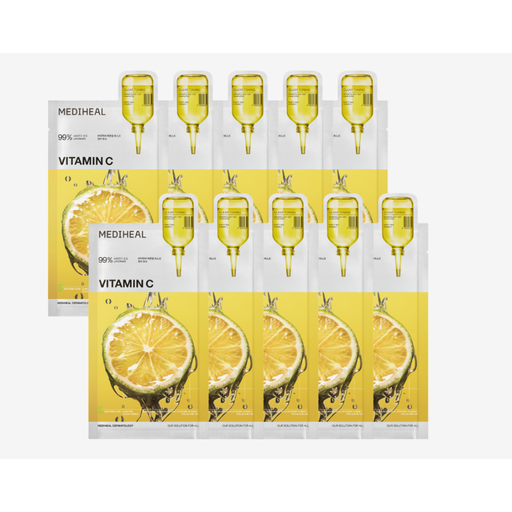
Why this product suits this profile: The pack of 10 is designed for regular use and combines vitamin C, niacinamide, arbutin and hydrating ingredients.
The list of active ingredients gives you more to go on than a vague “glow” promise. If you have sensitive skin, do a patch test first.
10 individual masks; ascorbic acid, niacinamide, arbutin, Sodium Hyaluronate and allantoin according to the product information.
We’ve put together a complete, regularly updated list of products that meet these strict selection criteria and fully comply with the safety regulations in force in the EU.
Don’t reuse single-use masks. Check the packaging, best-before date and current list of ingredients before buying, especially if the product is imported.
It depends on the formula and the manufacturer’s instructions. Many sheet masks are designed for use once to three times a week. If you have sensitive skin, it’s best to start cautiously and leave longer gaps between uses. Your skin’s reaction and the packaging instructions are the best guide.
A cosmetic mask can hydrate your skin and temporarily make your complexion look more even. This doesn’t mean it will permanently change pigmentation. If you notice new, changing or unusual spots, consult a dermatologist.
Single-use sachets should generally be used straight after opening. Don’t keep an opened sachet for later use. For multipacks, follow the best-before date and, where applicable, the open-jar symbol showing how long the product can be used after opening.