
Lieferung heute & morgen

Qualitätsgarantie

Willkommens-Angebote freischalten: KOSTENLOSE Lieferung | Bis zu 80 % RABATT | Kostenlose 30-Tage-JoyPlus-Testphase
App herunterladen
A dull complexion, visible pigmentation or an uneven skin tone can quickly lead to disappointing purchases when you are choosing skincare products. Many formulas promote “Glow”, “Radiance” or “Brightening”, even though their actual focus is more on hydration or optical colour correction. Brightening facial care should therefore not be chosen based solely on its marketing claims, but according to your skin type, ingredients, application and sun protection.
Cosmetic products can care for the skin’s appearance and help the complexion look more even through hydration or colour pigments. However, an immediate and lasting change to dark spots is not a realistic selection criterion. Claims such as “flawless in just a few days” should be viewed critically. A clear INCI list and a consistent routine are what matter.
A vitamin C serum, a niacinamide serum, a facial toner with acids and an additional serum for dark spots can place unnecessary strain on the skin when used together. A gradual introduction is particularly sensible for sensitive, dry or blemish-prone skin. If redness, stinging or persistent irritation occurs, stop using the products.
Pigmentation can become more visible due to UV radiation. Brightening skincare without adequate daily UV protection therefore often fails to support the actual goal. A BB cream with SPF can even out the appearance of your skin during the day; for longer periods outdoors, pay attention to the stated protection level and reapply regularly.
A lightweight facial serum for dark spots is generally suitable as a targeted skincare step after cleansing. A facial ampoule is often more concentrated or positioned as an intensive additional treatment. A facial toner, on the other hand, is used before serum and can primarily provide hydration.
For dry skin, lotions or a moisturising serum containing glycerin and hyaluronic acid are often more comfortable. Oily or blemish-prone skin may benefit from lighter gel textures. If you want to refine the appearance of your skin, look for AHA or LHA in exfoliating toners and avoid using several exfoliating products at the same time.
The complete INCI list on the packaging is the decisive reference, as formulas can change. Fragrances, essential oils or certain acids may be reasons to avoid a product if you have sensitive skin. A patch test on a small area of skin can be helpful before applying a product more widely. If you have medically concerning or changing marks, seek advice from a dermatologist; cosmetic skincare is not a substitute for a diagnosis.
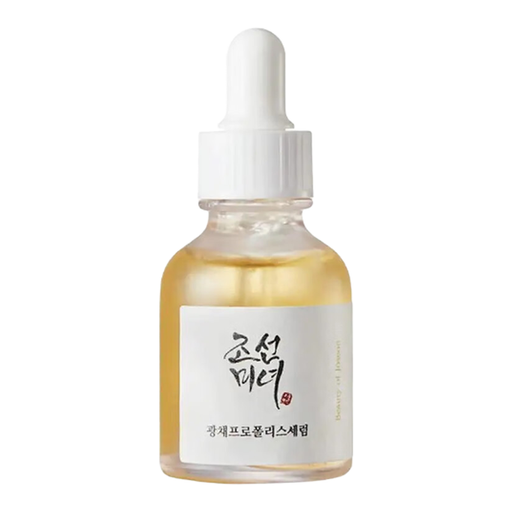
Why this product suits the profile: Its lightweight, honey-like texture and simple application using around two drops make it a good fit for uncomplicated Korean skincare as part of your everyday routine.
The product information specifically states 60% propolis extract and 2% niacinamide, rather than relying solely on general glow claims. If you have sensitive skin, you should still check tolerance and the complete INCI list.
Propolis extract, niacinamide, glycerin and sodium hyaluronate; designed for use after cleansing and toner.
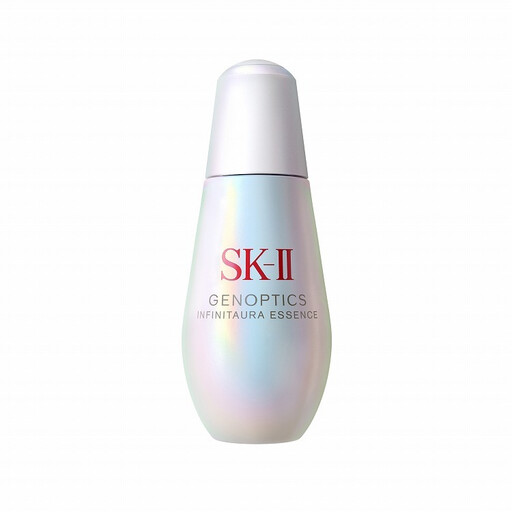
Why this product suits the profile: Its gel texture and stated suitability for normal, dry, oily and combination skin will appeal to shoppers looking for a more premium targeted treatment.
You can assess this choice based on the stated texture, skin types and ingredients. Claims relating to melanin care should be understood as product information, not as a promise of a specific result.
75ml content, gel texture and niacinamide listed as an ingredient in the formula.
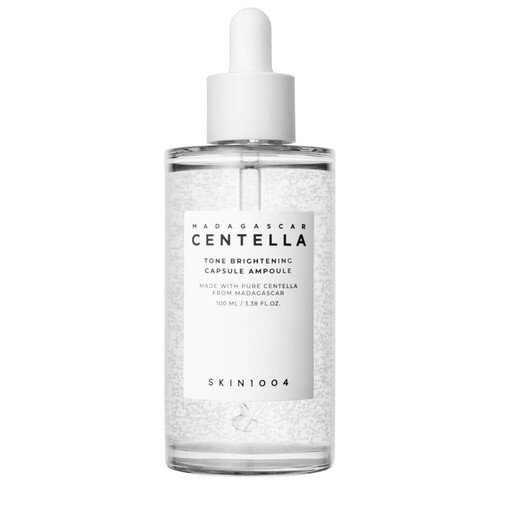
Why this product suits the profile: The 100ml size is appealing for regular use if you want targeted ampoule care in addition to a moisturising serum.
The product information specifically lists niacinamide, tranexamic acid and a vitamin C derivative. This makes it easier to compare the formula with your existing routine.
100ml content, Centella asiatica extract, niacinamide and panthenol; stated for use in the morning and evening.
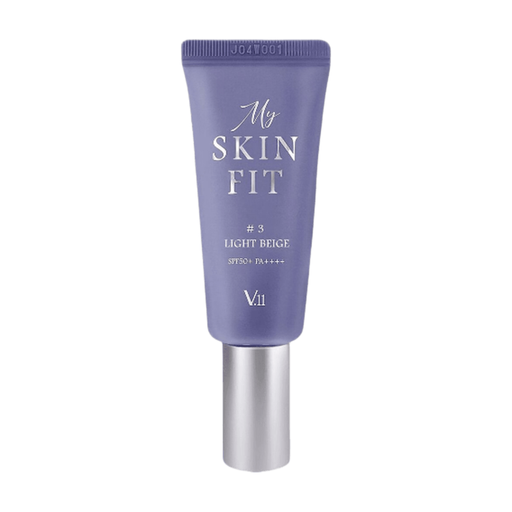
Why this product suits the profile: This BB cream combines light coverage with a stated SPF 50+, making it suitable for people who want to combine skincare, colour correction and UV protection in the morning.
The coverage is described as light and natural, rather than promising to fully conceal every imperfection. The Light Beige shade should be compared with your own skin tone before buying.
SPF 50+, niacinamide, panthenol and Centella asiatica extract; 20ml content and buildable, lightweight coverage.
We have put together a complete, regularly updated list of products that fully meet these strict selection criteria and the safety regulations applicable in the EU.
New products should be introduced one at a time. This makes it easier to identify which formula your skin tolerates well. Products containing AHA or LHA may increase sensitivity to light, so consistent sun protection is particularly important.
This depends on the formula, the condition of your skin and your daily UV protection. Cosmetic skincare should be used regularly and according to the instructions on the packaging. It is not possible to make reliable guarantees about visible changes for every individual. Stop using the product if irritation occurs.
Niacinamide is frequently used in formulas for different skin types. However, tolerance depends on the overall formula and your individual skin. It is worth checking the fragrance, acids and stated concentration, as well as introducing the product gradually.
Yes, you can use a toner before a vitamin C serum, provided both products are well tolerated. If the toner also contains AHA, LHA or other exfoliating ingredients, introduce the combination gradually. If stinging or redness occurs, simplify your routine.