
Lieferung heute & morgen

Qualitätsgarantie

Willkommens-Angebote freischalten: KOSTENLOSE Lieferung | Bis zu 80 % RABATT | Kostenlose 30-Tage-JoyPlus-Testphase
App herunterladen
A sun-kissed complexion or more clearly defined facial features don't come from an appealing product description alone. When it comes to bronzer and contouring, three common buying mistakes often lead to the wrong purchases:
Even claims like "for all skin tones" should be tested in practice. Broad usability doesn't automatically mean that a single shade will look equally harmonious on very fair, medium and deep skin.
For a natural face bronzer, warm or neutral-warm shades work well if your goal is to add warmth to the face. For contouring make-up, more neutral to cooler brown and grey-brown tones are usually easier to control. Rosy or olive skin can look uneven with shades that are too orange.
A buildable pigment level is practical: a thin layer is easier to correct than a highly pigmented product that creates harsh lines straight away. For very fair skin, the shade shouldn't be significantly darker than your own complexion. Medium to darker skin tones, on the other hand, need enough colour depth so that the application remains visible.
A bronzing powder can be applied with a fluffy brush and is particularly suitable for beginners, as well as for quick touch-ups. Powder products also work well with a more powdery base.
A cream product, such as a cream-to-powder bronzer, can be applied precisely with a sponge or your fingers. It should be applied in thin layers so that the foundation underneath isn't disturbed.
Liquid bronzers and liquid contour products often offer flexible application, but require quick blending. When used over powder, the liquid can cause patchiness. That's why the texture should match your existing make-up base.
A matte bronzer is suitable for subtle warmth and for contours. A radiant bronzer with shimmer particles directs light onto the applied areas and creates a visible glow. The finish is an optical property, not a statement about any medical or skincare benefit.
Before buying, it's worth checking the INCI list. Powder products often contain ingredients such as talc, mica, silicones or iron oxides. Liquid formulations can include glycerin, squalane, oils or film formers. If you're sensitive to certain ingredients, check the current list on the packaging. If you experience any irritation, stop using the product. Cosmetics are for external use only and should not come into contact with your eyes.
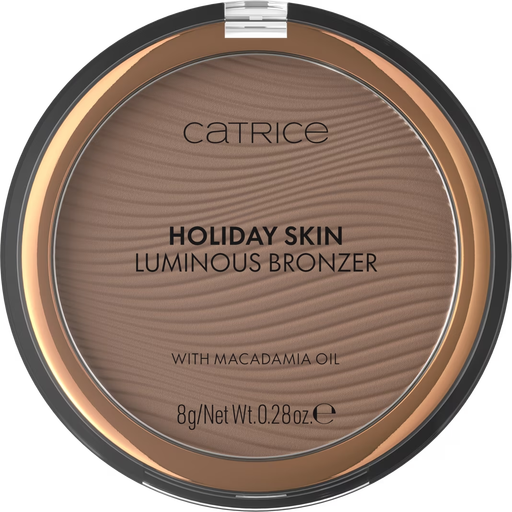
Why this product fits the profile: The powder can be applied with a large, fluffy brush and built up in several layers. Shade 020 is described as warm and buildable, making it suitable for a visible glow.
The buildable powder texture reduces the risk of applying too much colour or shimmer on the first go. Still, you should check that the warm undertone suits your skin before buying.
8 g content, powder texture, macadamia oil in the formula, and according to the product information, a vegan and microplastic-free formulation.
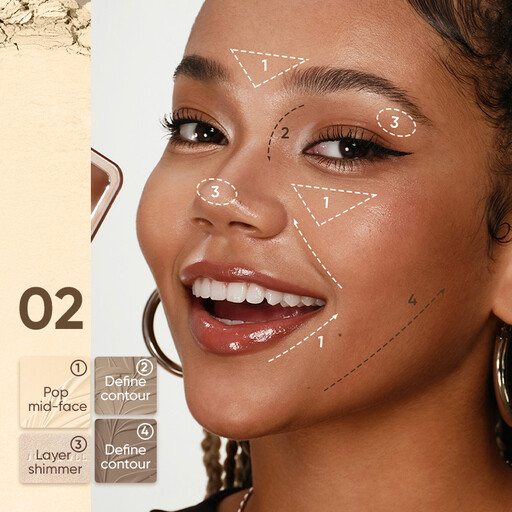
Why this product fits the profile: The 3-in-1 palette combines contour, matte brightening and shimmer highlight. This allows you to work on several areas of the face with one coordinated set.
The colour groups are listed according to different undertones and areas of use. This makes selection easier compared to a single shade that isn't clearly described.
Contains contour, matte highlight and shimmer highlight pans; 9 g content. Variant 02 is described as neutral-warm.
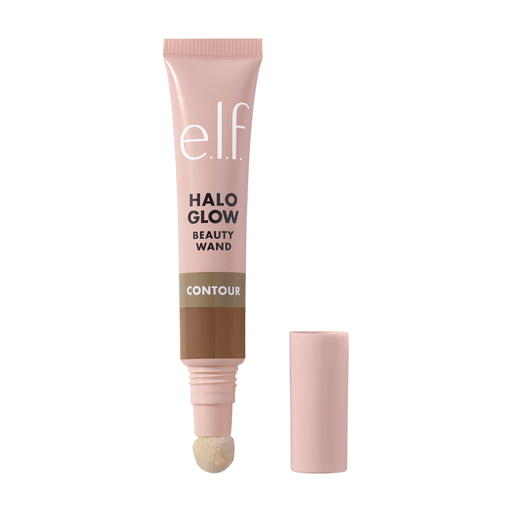
Why this product fits the profile: The liquid texture with an integrated cushion applicator is designed for targeted accents on the cheekbones, forehead, jawline and bridge of the nose.
The colour can be built up in thin layers. If you work directly over liquid foundation and blend quickly, you reduce the risk of visible edges.
10 ml content, liquid and blendable formula, shade Light/Medium, and according to the product information, a vegan formula with squalane.
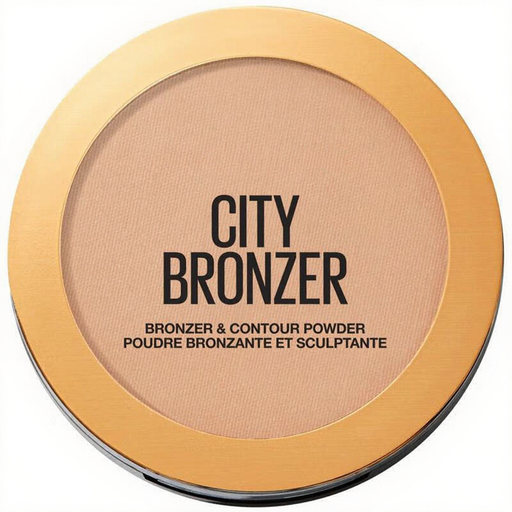
Why this product fits the profile: The shade 200 Medium Cool and the matte powder finish are designed for a cooler, more subtle definition.
The matte finish avoids additional light reflection on the contours. The name "Medium Cool" also gives a clear indication of the colour direction.
8 g powder, matte finish, micro-fine pigments, and can be used as a bronzing powder or contour powder according to the product description.
We've put together a complete, regularly updated list of products that fully meet these strict selection criteria and the safety regulations in force in the EU.
Bronzer gives the face a warmer look and supports a sun-kissed complexion. Contouring make-up is meant to define facial features through shadow effects. That's why bronzer shades are often warmer, while contour powders tend to be more neutral or cool.
A powder bronzer is usually easy to apply and can be built up gradually with a clean brush. Liquid bronzer also offers flexible intensity, but requires quick blending and a suitable base.
The period-after-opening symbol, the best-before date and the information on the packaging are what matter. Brushes should be cleaned regularly. If the smell, colour, texture or feel on the skin changes, stop using the product.