
Lieferung heute & morgen

Qualitätsgarantie

Willkommens-Angebote freischalten: KOSTENLOSE Lieferung | Bis zu 80 % RABATT | Kostenlose 30-Tage-JoyPlus-Testphase
App herunterladen
A touch of summer, a subtle contour, or simply a more radiant complexion—a good bronzer can transform your look. But the selection is vast, and the differences are often subtle. Many shoppers choose the wrong product and are disappointed with the results. Before you make a decision, it's crucial to understand the most common pitfalls that lead to an unnatural finish.
The three most common mistakes when choosing a bronzer are:
To avoid these mistakes, you should focus on three essential features. These will determine how the product will look and feel on your skin.
The choice of texture largely depends on your skin type and the desired result.
The finish determines the final look and its area of application.
The right undertone is crucial for achieving a natural result. As a rule, a bronzer should be one to two shades darker than your own skin tone.
Here are some product recommendations tailored to different needs and preferences.
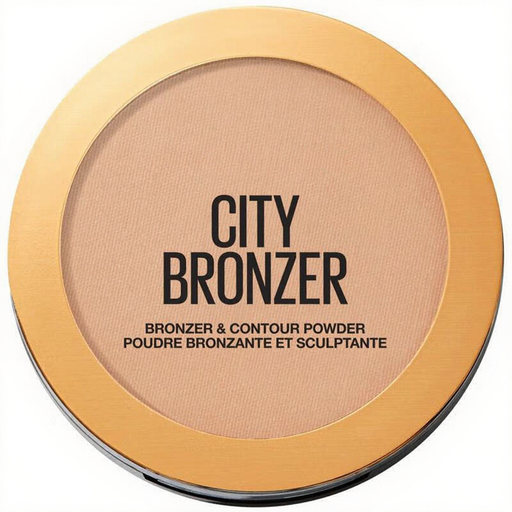
Why This Fits Their Persona: This product is a straightforward and budget-friendly option. The powder texture is easy to handle, and the matte formula is versatile, suitable for both warming up the complexion and light contouring.
The matte finish prevents the classic beginner's mistake of using shimmery products for contouring. The "Medium Cool" shade is neutral, minimising the risk of an orange tint.
Dual-function as a bronzing and contouring powder; according to Maybelline, the formula is enriched with cocoa butter for a smooth application feel.
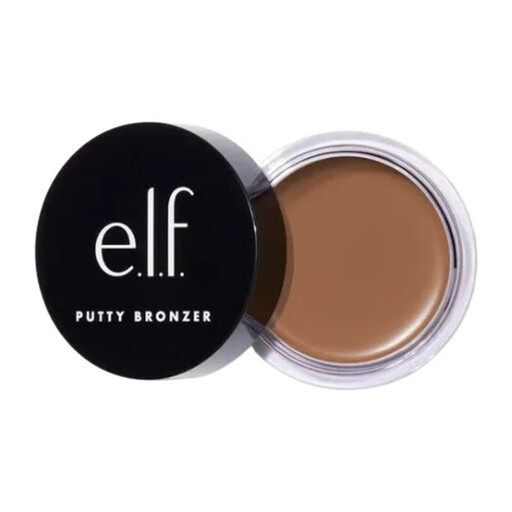
Why This Fits Their Persona: Ideal for users who prefer a modern texture and prioritise vegan cosmetics. The cream-to-powder formula is especially suitable for normal to dry skin, providing a velvety-matte finish without any oily residue.
The creamy consistency blends seamlessly, reducing the risk of harsh lines or patchiness that can occur with powder products on dry skin. Its matte finish also makes it suitable for subtle contouring.
Transformative cream-to-powder texture; according to e.l.f. Cosmetics, the formula is enriched with Argan Oil and Vitamin E, and is also free from parabens and phthalates.
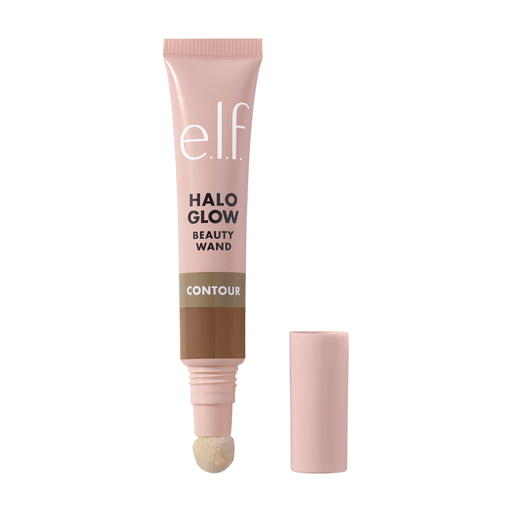
Why This Fits Their Persona: This product is designed as a contouring wand and is ideal for anyone who wants to specifically contour their face. The applicator allows for precise placement, while the liquid formula ensures easy blending for a natural-looking result.
It solves the problem of confusing bronzer with contour. As a dedicated contouring product, it has a neutral undertone that mimics shadow rather than adding unnatural warmth.
Cushion-tip applicator for targeted application; the liquid, blendable formula contains hydrating squalane, according to e.l.f. Cosmetics.
We've compiled a complete, up-to-date list of products that fully meet these strict selection criteria.
1. What is the difference between bronzer and contouring powder? A bronzer typically has a warmer undertone and is used to give the face a sun-kissed effect. It's applied where the sun would naturally hit. A contouring product has a cooler, ashier undertone to imitate natural shadows, thereby defining and sculpting facial features like the cheekbones or jawline.
2. How do I apply bronzer correctly for a natural, sun-kissed look? Use a large, fluffy brush. Apply the bronzer in the shape of a "3" on both sides of your face: start at the temple, move the brush under the cheekbone, and then along the jawline. A light dusting on the bridge of the nose and chin completes the look. It's important to blend the product well to avoid harsh lines.
3. Can I use a shimmery bronzer for contouring? It is not recommended. Shimmer particles reflect light, which contradicts the purpose of contouring. Contouring aims to create depth by adding shadows, making certain areas appear to recede. A shimmery product would highlight these areas instead. For contouring, a matte bronzer or a dedicated contouring product is the right choice.