
Lieferung heute & morgen

Qualitätsgarantie

Willkommens-Angebote freischalten: KOSTENLOSE Lieferung | Bis zu 80 % RABATT | Kostenlose 30-Tage-JoyPlus-Testphase
App herunterladen
A bronzer can add warmth to your face, accentuate your contours or create a sun-kissed complexion. The options range from classic bronzing powder to creamy textures and the blonzer, which combines bronzer and blush. However, product descriptions often focus on glow, summer radiance or “universal” shades. For a smart purchasing decision, what really matters are specific features such as undertone, finish, texture and ingredients.
A bronzer that is too orange or yellow can look unnatural on cool or neutral skin tones. For a genuine warmth effect, warm shades often work well. For contouring, however, neutral to cool brown and grey-brown tones are more suitable, as they are meant to mimic shadows.
The colour name “Universal Bronze” is also not a reliable indicator of a universal fit. What matters are the product images, the colour description and the ability to build up the colour gradually.
A shimmery bronzer reflects light and can work well on the cheekbones or for evening make-up. However, if a product contains visible glitter particles, pores and skin texture can become more noticeable. A matte bronzer or a matte bronzing powder is usually more versatile for the T-zone, office make-up and contouring.
Such claims should always be cross-checked against the full product description and the INCI list. “Vegan” describes the formulation or manufacturer’s claim, not automatically its compatibility. Fragrances, essential oils, talc, mica or certain preservatives may be relevant for some individuals.
For sensitive or irritated skin, the product should not be used on damaged skin. If in doubt, a patch test on a small area of skin is recommended. The information on the packaging of the delivered product takes precedence, as formulations can change.
First, identify the effect you want:
Test the shade in natural light if possible. The bronzer should blend seamlessly into the neck and hairline without leaving a noticeably orange or grey edge.
A matte finish is a practical choice for contouring and for skin that tends to get shiny during the day. A satin or luminous bronzer is suitable if you want a subtle glow. Products with buildable coverage make application easier: start with a thin layer, then increase the intensity as needed.
Also pay attention to the stated quantity. The products featured range from 1.5 g for the bareMinerals All-Over Face Colour Faux Tan to 30 g for the Pupa Desert Bronzing Powder. However, the amount in the pack alone doesn’t indicate how long it will last, as pigmentation and daily usage amounts vary.
Powder can be applied all over with a large, soft brush. A cream-to-powder texture, like the e.l.f. Putty Bronzer, is applied in dots and then blended. It can be interesting for dry or creamy make-up layers, but requires even skin preparation.
For a natural application, apply the bronzer to the areas that typically catch the sun first: the forehead, upper cheeks, bridge of the nose and chin. For contouring, focus on the hollows of the cheeks, jawline, temples or sides of the nose.
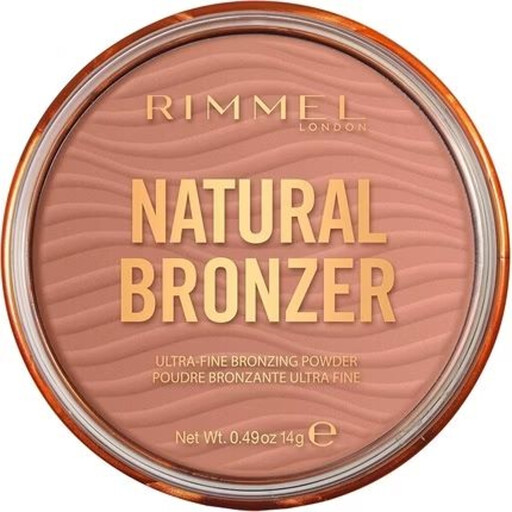
Why it fits: A classic bronzing powder for those who prefer fuss-free application with a large brush.
The application instructions specify areas such as the forehead, bridge of the nose, cheekbones and jawline. Excess powder should be tapped off before application.
14 g content, powder texture and, according to the product information, an SPF 15. This does not replace sun protection for extended time outdoors.
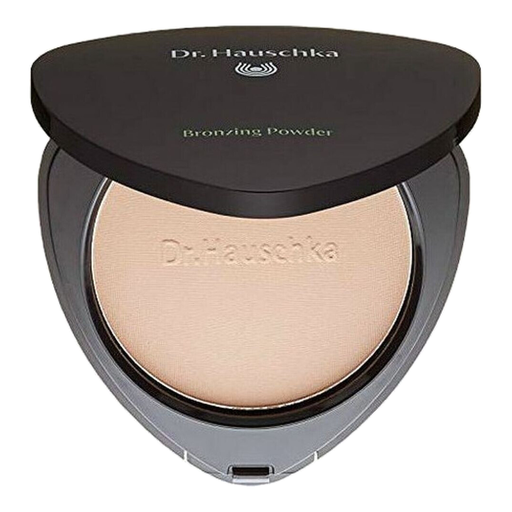
Why it fits: For shoppers who value a finely milled powder texture and a formula labelled as vegan.
The product features list specific mineral pigments and botanical ingredients. Fragrances and the full INCI list should still be checked before purchase.
10 g content, light coverage and can be applied directly to the skin or over make-up.
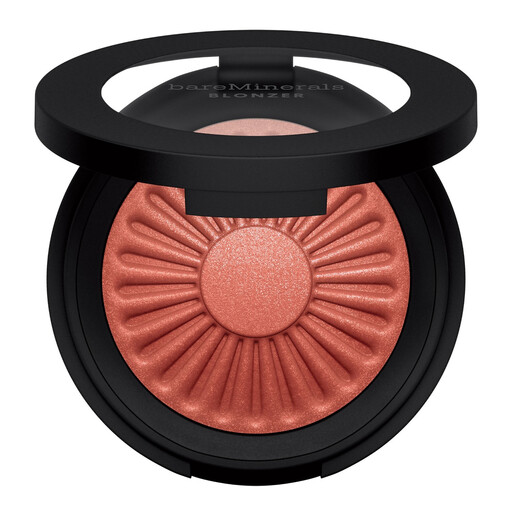
Why it fits: According to the product description, the blonzer combines blush colour and bronzer tone in one step, and is aimed at those looking for make-up with a natural glow.
The colour is not used as a pure contour shade. For precise shadows, a neutral contour powder remains more suitable.
3.8 g, according to the product information it is vegan and talc-free, with a natural, radiant finish. The coverage is buildable.
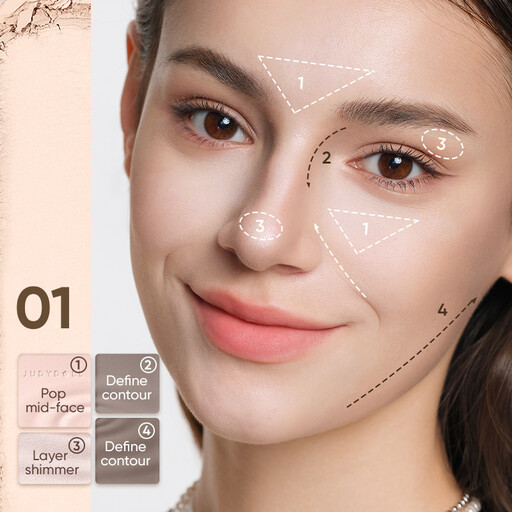
Why it fits: A palette for those who want to combine contour, matte highlight and shimmer highlight.
The palette separates different tasks by colour. This means you don’t have to use a single shimmery shade for every part of the face.
3-in-1 design, 9 g total content and several colour options. Shade 01 is described as having cool rosy undertones.
For an even application, use a clean, soft brush and start with a small amount. Tap off any excess powder before applying to your face. Apply the bronzer first to the cheeks and hairline, then blend outwards in circular motions. For cream products, dabbing and then blending is usually more controlled than vigorous rubbing.
Avoid contact with the eyes and damaged skin. If irritation occurs, stop using the product. Store your bronzer in a dry, cool place with the lid closed. Check the best-before date or the symbol for the period after opening on the packaging.
In the full category you’ll find more bronzing powders by shade, finish, texture and product features.
A powder that is easy to apply, with a neutral or only slightly warm undertone and buildable coverage, is usually simple to dose for everyday wear. Matte or satin textures are more subtle than heavily glittery products.
Bronzer adds warmth to the face and is often applied to the high points. Contouring uses targeted, usually cooler shadows under the cheekbones, along the jawline or on the sides of the nose. Both products can be used together, but they don’t have to serve the same purpose.
The shelf life depends on the formulation, packaging, storage and usage. The printed date and the symbol for the period after opening are the key indicators. If the smell, colour, texture or feel on the skin changes, the product should no longer be used.