
Lieferung heute & morgen

Qualitätsgarantie

Willkommens-Angebote freischalten: KOSTENLOSE Lieferung | Bis zu 80 % RABATT | Kostenlose 30-Tage-JoyPlus-Testphase
App herunterladen
A high-quality broth & soup base is the foundation of countless dishes—from a classic beef broth for Sunday roasts to a complex hot pot base for a social gathering. But the market can be overwhelming. Packaging often promises more than the contents deliver. This guide will help you avoid the most common purchasing pitfalls and find the right seasoning for your kitchen, whether for quick everyday meals or authentic international recipes.
Before you make a decision, it's important to question common marketing promises. Many products disappoint because they fail to meet basic quality standards.
To avoid disappointment, you should check three key aspects before buying. These will help you objectively assess a product's quality and suitability.
The quality of a soup base lives and dies by its main components. Pay attention to what comes first on the ingredient list.
The type of seasoning determines its intended use. An Asian soup base is fundamentally different from a classic European stock for sauces.
The form affects handling, shelf life, and flavour intensity.
Here are some recommendations tailored to different needs and cooking styles.
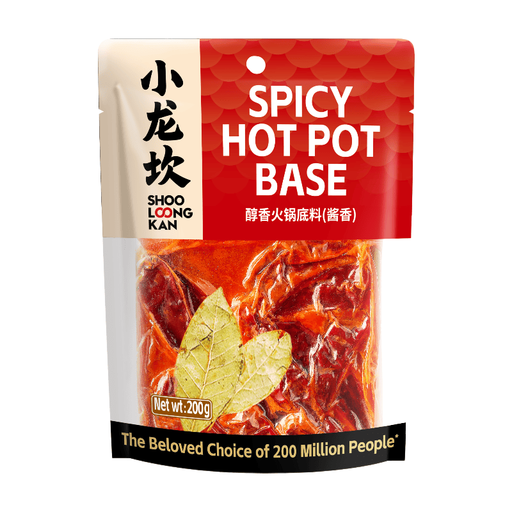
Why This Fits Their Persona: Ideal for anyone planning an authentic hot pot night who values complex, aromatic heat that goes beyond a pure burn.
The product avoids the "false authenticity" trap by using real Pixian bean paste and visible, whole chillies. The description as "milder" compared to more extreme versions also addresses the problem of vague heat ratings.
Offers an aromatic and multi-layered flavour experience through natural spices. The base does not need to be fried before use, which simplifies preparation.
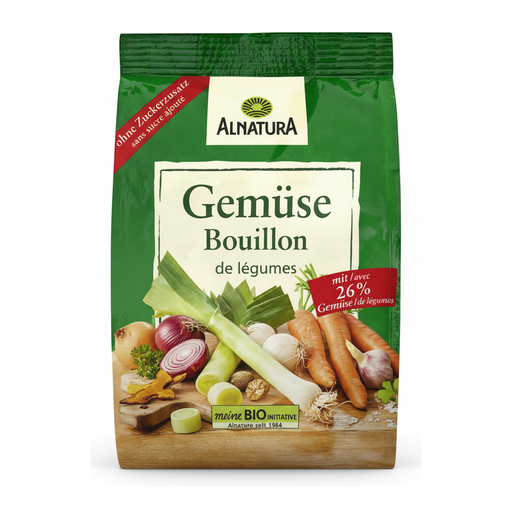
Why This Fits Their Persona: Perfect for families and health-conscious consumers looking for a versatile, vegan, and organic base for soups, sauces, or for seasoning vegetable and pasta dishes.
This product avoids the trap of misleading ingredient lists by clearly declaring a high vegetable content of 25%. The organic certification (DE-?KO-001) and the absence of added sugar create additional transparency.
Organic quality and a vegan formula. The refill pack is economical, making 12.5 litres, and is therefore a practical and more sustainable choice for the pantry.
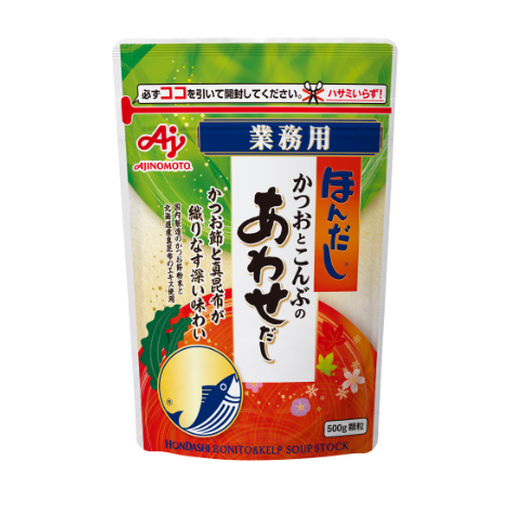
Why This Fits Their Persona: Essential for home cooks who want to prepare authentic Japanese dishes like miso soup, oden, or noodle soups and need a reliable, flavour-intensive dashi base.
This product delivers an authentic taste because it is based on the key ingredients of Japanese cuisine: bonito flake powder (Katsuo) and kelp extract (Konbu). It is not a generic "fish flavouring" but a specific dashi seasoning.
Comes from Ajinomoto, a leading Japanese manufacturer. The 500g bulk pack offers good value for money for regular use.
We have compiled a complete, up-to-date list of products that fully meet these strict selection criteria and German regulations.
1. How do I properly store opened broth and soup base? The correct storage depends on the form. Powders and granules should always be kept in a dry, cool, and airtight container to prevent clumping. Pastes, especially oil-based ones like many hot pot bases, should be refrigerated after opening and used within the manufacturer's recommended time. Liquid stocks must also be refrigerated and used quickly. Always follow the instructions on the packaging.
2. What is the difference between broth, stock, and bouillon? In culinary terms, a stock typically refers to a highly concentrated, long-simmered liquid made from bones, vegetables, and herbs, which serves as a base for sauces. Broth or bouillon is usually lighter and can be consumed directly as a soup. However, with commercial products, these terms are often used interchangeably. The key is to look at the ingredient list: a high concentration of meat or vegetable extracts indicates a more intense flavour, closer to that of a stock.
3. Can I use a hot pot base for other dishes? Yes, absolutely. A spicy soup base for hot pot is extremely versatile. A small amount can add tremendous depth of flavour and spice to stir-fries, marinades for meat or tofu, and braised dishes. Start with a small amount and adjust to taste, as these bases are very concentrated.