
Lieferung heute & morgen

Qualitätsgarantie

Willkommens-Angebote freischalten: KOSTENLOSE Lieferung | Bis zu 80 % RABATT | Kostenlose 30-Tage-JoyPlus-Testphase
App herunterladen
Anyone looking to buy broth and stock will find a wide selection online. Beef stock, poultry stock, veal stock, bouillon, concentrated broth and Asian soup bases can differ considerably in their ingredients, dosage and intended use. Eye-catching packaging or the word “concentrated” alone says little about whether a product is suitable for the meal you have planned.
This guide explains which details matter before you buy and which products are suitable for different households and cooking habits.
A cooking stock in a jar is often ready to use and can be added straight to the pan. A broth concentrate, on the other hand, usually needs to be diluted with water. The mixing ratio affects how far it goes, its flavour and the salt content per serving. If the dosage instructions are missing or overlooked, the result may be too strong or too salty.
Examples from the range show different requirements: according to the product information, Larco Concentrated Beef Broth should be heated with 0.5 litres of water. Marutomo Ramen Soup Tonkotsu recommends a ratio of 1:5 to 1:6 for ramen.
Even products with a short ingredients list may contain allergens. Common ones include soya, wheat, celery, milk, egg or fish. Langbein Organic Beef Stock, for example, contains soya and wheat, among other ingredients. The Marutomo ramen concentrate lists wheat and soya, while the FATHAI Jaew Hon soup base contains fish and cereals containing gluten.
If you have intolerances, always check the ingredients and allergen information on the current product packaging. Marketing terms such as “traditional” or “pure” are no substitute for these checks.
An organic broth refers to the certified origin of the ingredients used. It does not automatically indicate a particular flavour or a lower salt content. Langbein Organic Beef Stock and Langbein Organic Poultry Stock both carry the DE-ÖKO-009 certification. Other products may also be suitable for particular dishes without being organically certified.
Beef stock or veal stock is ideal for rich sauces, ragouts and slow-cooked dishes. Beef broth can be used as a clear soup, for deglazing or as the cooking liquid for risotto. Poultry stock and chicken broth work well with fricassee, rice dishes, vegetable soups and noodle soups.
For Asian dishes, the base should match the recipe:
The ingredients list helps you identify unwanted flavours, allergens and additives at an early stage.
Do not compare only millilitres or grams; also check the recommended preparation method. A 200-ml product may provide several meals depending on its concentration, while ready-to-use stock can be added straight away. For a meaningful cost comparison, the price per prepared litre is therefore more useful than the pack price.
When using a concentrate, initially follow the manufacturer’s dosage instructions. You can then adjust the intensity with water, vegetables or other ingredients.
Broths and soup bases often contain salt, as it contributes to flavour and shelf life. However, the information per 100 ml is only meaningfully comparable when it is clear whether it refers to the concentrate or the prepared product. Knorr Bouillon Pur Beef Stock, for example, gives nutritional values per 100 ml of prepared product, while other products state values for the undiluted concentrate.
If you reduce a sauce, bear in mind that the salt flavour will become more intense. Any additional seasoning should therefore be added at the end.
Many liquid stocks must be refrigerated after opening and used within a few days. Larco Concentrated Beef Broth specifies two days in the fridge, while Lacroix Pure Beef Stock specifies three days. Some products can be frozen in portions; the instructions on the label remain the deciding factor.
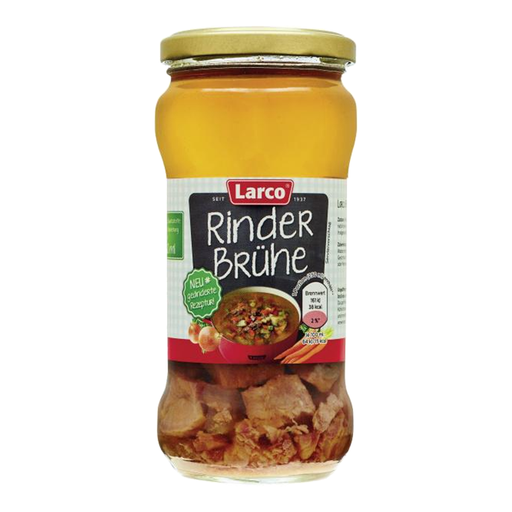
Why this product suits the profile: According to the product information, the concentrated beef broth is prepared with 0.5 litres of water, making it suitable for soups, sauces and rice dishes.
The stated mixing ratio makes the dosage easy to understand and prevents the concentrate from being confused with ready-to-use broth.
Ingredients list including beef, water, salt, herbs and spices; refrigerate and use within two days of opening.
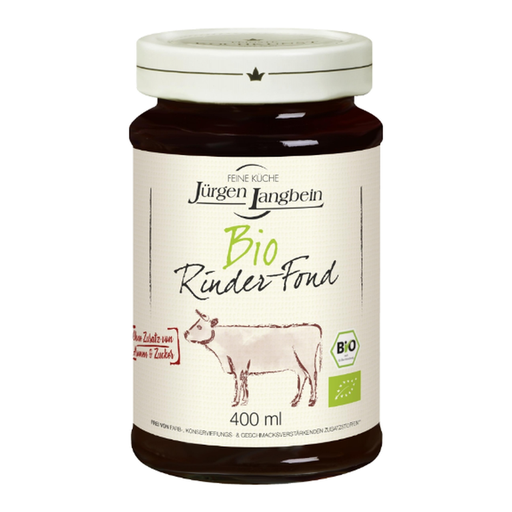
Why this product suits the profile: This ready-to-use organic beef stock is intended for sauces, soups and ragouts, and carries DE-ÖKO-009 certification.
The product type and organic certification are clearly stated, while wheat and soya are listed as allergens.
Organically certified; made from roasted organic beef bones and vegetables; shake well before use.
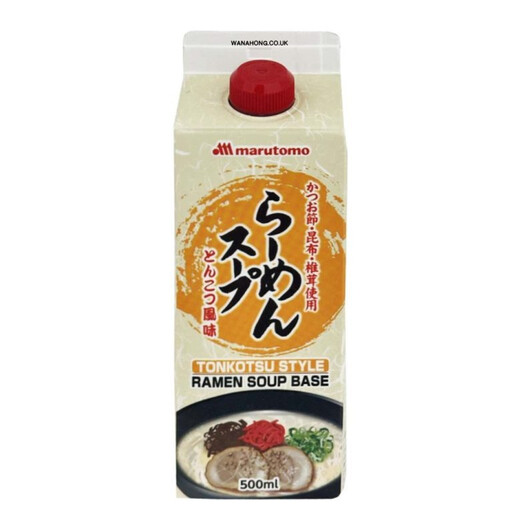
Why this product suits the profile: This ramen soup base is designed for a mixing ratio of 1:5 to 1:6 and can also be used for rice, tofu hot pot and stir-fries.
The clear dilution recommendation prevents the yield from being misjudged. Wheat and soya are listed as allergens.
500-g pouch with screw cap; according to the product information, suitable for ramen and several other cooking applications.
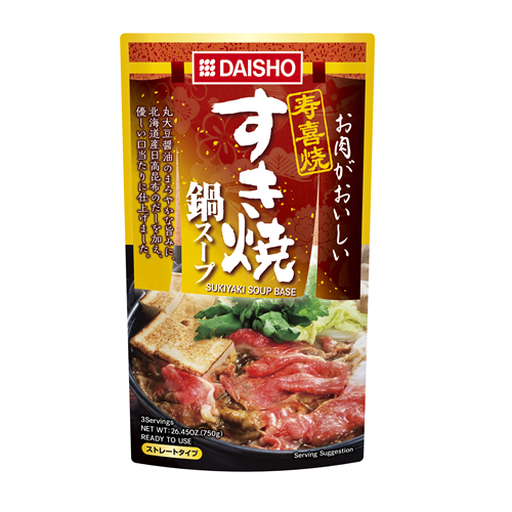
Why this product suits the profile: The larger pack is designed for shared sukiyaki meals with beef, tofu, noodles and vegetables.
Its intended use as a sukiyaki soup base is clearly stated. This prevents the sweet and savoury recipe from being mistakenly bought as a neutral cooking stock.
750-g pack; soya and wheat are listed as allergens; a vegan version with mushrooms and vegetables is also given as a possible use.
For rich meat sauces, beef stock, veal stock or a roast gravy stock are obvious choices. Ready-to-use stock can be reduced straight away. With a concentrate, you should first take the recommended amount of water into account. Poultry stock is often a good match for light sauces, fricassee and poultry dishes.
This depends on the product. Two to three days is often stated. Opened jars or pouches should be refrigerated immediately, handled with clean utensils and used according to the packaging instructions. If in doubt, follow the specific manufacturer’s guidance.
Bouillon is usually sold as a ready-to-drink broth, a broth that needs dissolving or a seasoning base. Stock generally refers to a cooking liquid with a stronger emphasis on meat, bones, vegetables or herbs, and is used for sauces, soups and slow-cooked dishes. However, the terms are not always used consistently by retailers. The ingredients list, dosage and preparation instructions provide the more reliable guidance.