
Lieferung heute & morgen

Qualitätsgarantie

Willkommens-Angebote freischalten: KOSTENLOSE Lieferung | Bis zu 80 % RABATT | Kostenlose 30-Tage-JoyPlus-Testphase
App herunterladen
The decision to dye your hair at home is often a practical and cost-effective alternative to a salon visit. However, the search for the right brown hair dye can quickly become overwhelming. The shelves are filled with countless shades and promises. Unfortunately, the choice doesn't always lead to the desired outcome. Many users know the disappointment when the colour on their head doesn't match the one on the box, or when grey hairs are inadequately covered.
This guide will help you understand the crucial factors to bypass marketing traps and find a hair dye that truly meets your needs for coverage, care, and colour.
Before we delve into the selection criteria, it's important to be aware of two common problems that often lead to unsatisfactory results:
To avoid these problems, you should focus on three objective parameters instead of being guided solely by the packaging.
The numbers on the packaging are the key to a predictable result. They provide information about the colour depth and tones.
The ingredients determine how gentle the colouration is on your hair and scalp. A key distinction is the use of ammonia.
For reliable grey coverage, so-called "natural tones" (ending in .0) are often the safest choice, as they contain a balanced mix of pigments. If you have a high percentage of grey hair (over 50%), it can be beneficial to mix a natural tone with a fashion tone or choose a colour specifically developed for high coverage. Also, pay close attention to the manufacturer's instructions, as a longer processing time is often recommended for grey hair.

Why This Fits Their Persona: Ideal for those who prioritise a gentle treatment when dyeing their hair at home. The ammonia-free formula and high oil content are tailored to the needs of dry or sensitive hair.
The formula, which the manufacturer states is 60% oil-based, counteracts the hair dryness that is a common problem with more aggressive colourants.
The formula is ammonia-free and has a subtle floral scent, making the application more pleasant. The oil base helps to anchor the pigments.
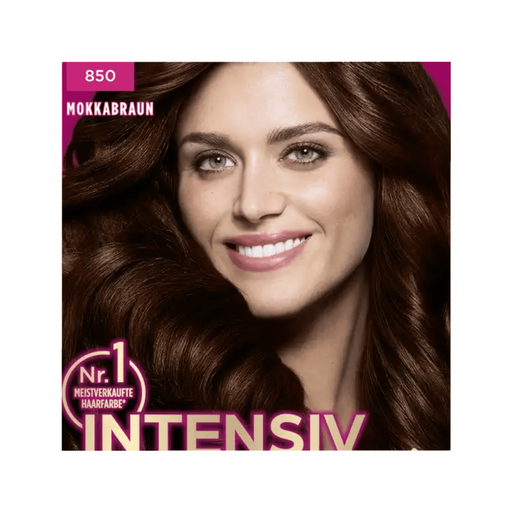
Why This Fits Their Persona: Suitable for users whose priority is complete and long-lasting coverage of grey hair. The formulation is designed for high pigment intensity.
Instead of vaguely promising "100% grey coverage," the manufacturer provides a specific instruction for hair with a high percentage of greys: an extended processing time of 45 minutes.
The intensive cream colour ensures a rich, even result. The formula with almond oil conditions the hair during the dyeing process.
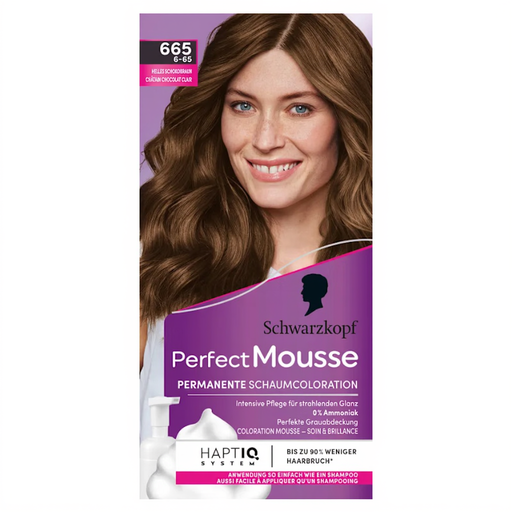
Why This Fits Their Persona: Perfect for anyone dyeing their hair for the first time or who prefers an especially straightforward, drip-free, and mess-free application.
The foam texture is as easy to distribute as a shampoo, preventing the patchy results that can occur from improper application of thick creams.
The application is exceptionally simple and even, even on the back of the head. The formula is also ammonia-free and leaves hair feeling soft.
We have compiled a complete, up-to-date list of products that fully meet these strict selection criteria and all applicable safety regulations.
The number before the dot or dash indicates the colour depth (e.g., 3 for Dark Brown, 6 for Light Brown). The numbers after it describe the colour tones (e.g., .1 for Ash, .3 for Gold). A combination like 6.3 therefore stands for a light brown with golden tones. Understanding this system is crucial for choosing the right shade for your base colour.
For effective grey coverage, you should choose a permanent colouration. Natural tones (with a .0 at the end) often provide the best coverage. Pay attention to the manufacturer's instructions: for a high percentage of greys, a longer processing time is often recommended. Apply the dye first to the areas with the most grey hair, as they need more time to process.
A permanent hair dye does not wash out but grows out with the hair. The colour intensity can fade after a few weeks due to sun exposure and frequent washing. As a rule, re-dyeing the roots is recommended every 4 to 6 weeks, depending on how fast your hair grows and how much contrast there is between your roots and the coloured lengths.