People who cook brown rice regularly
If you make brown rice regularly, check whether the appliance has a dedicated setting for it or provides clear guidance on preparation, quantities and the amount of water to use.


If you mainly cook small portions of brown rice, a compact appliance with a clearly stated brown rice setting is a sensible place to start. If you want your only cooking appliance to handle other dishes too, compare the cooking functions it actually offers, its usable capacity and the space it takes up. A pressure multicooker can cover more types of cooking, but it also involves extra steps when using and cleaning it.
If you make brown rice regularly, check whether the appliance has a dedicated setting for it or provides clear guidance on preparation, quantities and the amount of water to use.
If you only have one cooking appliance, check which other dishes you can make in it and which cooking functions are actually designed for them.
If you make small portions and have limited space, factor in not just the appliance itself but also the lid when open and the area where steam can escape.
| Buying consideration | What to look for | Who should pay particular attention? |
|---|---|---|
| Cooking brown rice | Look for a clearly stated brown rice setting or instructions for cooking brown rice, including the recommended quantity and amount of water. | If I cook brown rice often, I want to be able to follow settings designed for that specific type of rice. Around 33% of consumers have brown rice as their main priority. |
| Cooking other dishes | Check that the programmes, accessories and permitted fill levels suit the dishes you usually make. | If I only use one cooking appliance, I want it to make dishes such as soup or steamed food as well as rice. Around 27% of consumers have other one-pot dishes as their main priority. |
| Portion sizes and space | Compare the capacity for uncooked brown rice and measure the space required, including room for the lid to open and steam to escape. | If I usually cook small quantities and have limited worktop space, suitable portion sizes and a practical place for the appliance matter more than a long list of programmes. Around 20% of consumers prioritise this. |
| Cleaning and storage | Check how to clean the pot, lid and seal. The German Federal Institute for Risk Assessment (BfR) recommends keeping food hot at a temperature of at least 60 °C throughout. Leftovers that are not kept hot should be cooled and refrigerated until reheating. | If I use the appliance often, I want it to be easy to clean and to store cooked rice safely. Around 20% of consumers have cleaning and storage as their main priority. |
For the Rommelsbacher MD 1000, the manufacturer specifies a 6-l pot and a usable capacity of 4 l. Capacity figures may also differ for brown and white rice.
Compare the stated quantity for uncooked brown rice. For pressure cookers, also check the fill limit in the instructions.
An appliance may list rice and other foods without specifying a dedicated brown rice setting. This may mean you need to adjust the cooking method more carefully using the instructions.
Check the information for the specific model you are considering, or look for a clearly labelled brown rice programme.
A time specification alone does not tell you the temperature the rice actually reaches while being kept warm. The BfR recommends keeping hot food at a temperature of at least 60 °C throughout.
If the rice is not kept sufficiently hot, cool any leftovers and refrigerate them until reheating.
Fill limits, pressure release and hot components all affect day-to-day use. The Rommelsbacher instructions for the MD 1000 and the Instant Pot instructions for the Duo both contain model-specific guidance.
Choose pressure-cooking functions only if you need them for the dishes you make and can follow the instructions for that specific appliance.
Pressure cookers can involve extra effort when it comes to use and cleaning.
Reishunger offers digital rice cookers with a range of capacities and programmes. The manufacturer lists a 0.6-l capacity and a brown rice setting for the Digital Mini Rice Cooker; the larger Digital Rice Cooker also offers functions such as soup and steaming.
According to Rommelsbacher, the MRK 500 Risa combines a brown rice setting with soup and steaming functions. The MD 1000 MeinHans offers pressure cooking and other cooking functions; the manufacturer says brown rice can be cooked using its adjustable general rice programme.
On its EU product page, Yum Asia lists a separate capacity for uncooked brown rice for the Panda Mini and specifies an EU Schuko plug.
Tefal lists 45 cooking programmes for the RK812110, with rice and grains among the food types it can prepare.
The Duo is an option for households looking to make dishes other than rice in a pressure multicooker.
This selection from Joybuy includes multicookers and rice cookers for rice dishes and other cooking tasks using a single appliance.
 No image available
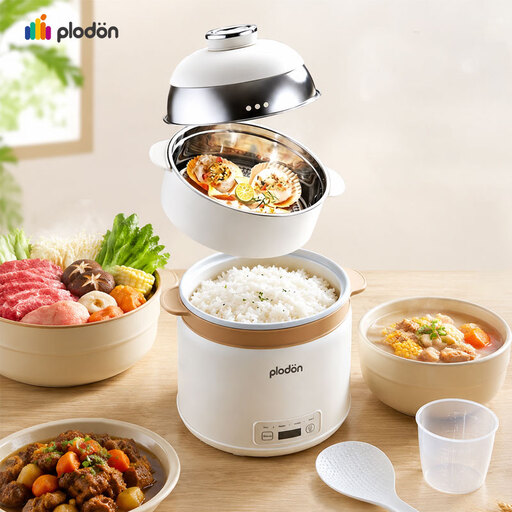
The included steam basket lets you steam vegetables or dumplings in the pot while cooking.
2.3-l pot; rice cooking, soup and steaming; according to the description, fill to no more than two-thirds.
 No image available
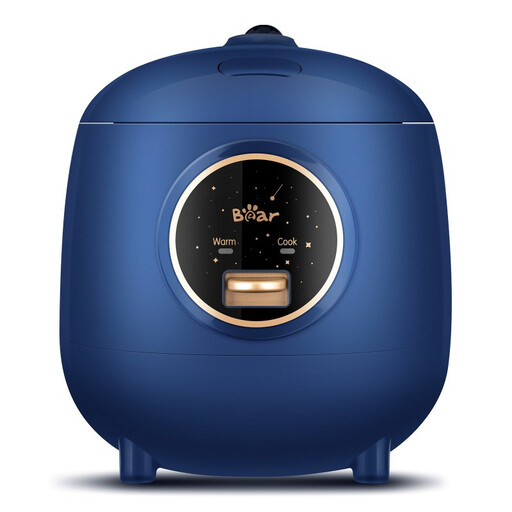
For smaller households, the listing describes uses beyond rice, including soup, porridge and hotpot.
1.2 l; 200–238 W; removable non-stick inner pot and detachable inner lid. According to the description, the appliance should cool for more than 15 minutes before cooking another batch of rice.
No, a dedicated setting is not essential. Rommelsbacher says brown rice can be cooked using the adjustable-time rice programme on the MD 1000. If you want to minimise the need to adjust the settings yourself, a clearly documented brown rice setting is a useful guide. Follow the instructions for the specific appliance when measuring the rice and water.
Follow the instructions for your specific model, including its fill limits and pressure-release guidance. Rommelsbacher warns that hot steam may escape when opening the MD 1000; the Instant Pot Duo instructions say to release the pressure fully before opening and to fill the pot no more than halfway when cooking rice that expands.
A stated keep-warm time alone does not confirm the temperature of the rice. The BfR recommends keeping hot food at a temperature of at least 60 °C throughout. Leftovers that are not kept hot should be cooled and refrigerated until reheating.
Your statutory rights against the seller are separate from any voluntary guarantee. The Verbraucherzentrale explains that the first step for a faulty product is usually to ask for it to be repaired or replaced. Most online purchases also come with a right to cancel, generally within 14 days of receiving the goods and subject to legal exceptions.
Relevant EU regulations require electrical and electronic equipment to carry a CE marking. This is the manufacturer’s declaration of conformity, not a quality mark issued by a central EU body. The Bundesnetzagentur also lists product identification, manufacturer details and German-language instructions with the required warnings among the information it checks. This does not establish whether any individual listing is compliant.