Regular brown rice batch cooks
If brown rice is a regular base for your lunch boxes, a suitable rice programme and adjustable cooking time are important things to look for.


For brown rice lunch boxes, first check whether the specific model explicitly caters for brown rice and whether its cooking time and permitted fill level suit the quantity you plan to cook. A pressure multi-cooker is particularly useful if you regularly want to pressure-cook dishes other than rice; if you mainly cook rice, the right settings, ease of cleaning and timing functions matter most. For pre-cooked portions, the German Federal Institute for Risk Assessment (BfR) recommends cooling them promptly and storing them in the fridge.
If brown rice is a regular base for your lunch boxes, a suitable rice programme and adjustable cooking time are important things to look for.
If you’re preparing several lunches at once, plan the permitted fill level, portioning and subsequent chilling together.
If you want to make dishes other than rice, weigh up the extra functions against the effort involved in using and cleaning the appliance.
For brown rice lunch boxes, it’s not just the settings that matter: you should also consider the permitted batch size, when the rice will cook and how you’ll handle it afterwards. Choose according to what matters most to your routine.
| Criteria | What to check before buying | Who is it important for? |
|---|---|---|
| Brown rice settings | Check the manual for the specific model to see whether it mentions brown rice and lets you adjust the cooking time. | If I want to tailor the cooking time to my type of rice, I need clear settings for brown rice. Around 25% of consumers consider this their top priority. |
| Storing cooked rice | Plan for shallow containers, space in the fridge and a way to keep the rice chilled during transport. | If I’m cooking ahead for several lunch boxes, I want to cool the portions quickly and keep them chilled until mealtime. Around 25% of consumers prioritise safe storage. |
| Permitted portion size | Compare the planned amount of rice and liquid with the fill markings and the manual. | For several lunch boxes, I need to know how much rice and liquid the pot can actually hold. Around 19% of consumers check the permitted batch size first. |
| Cooking time | Check whether the delay-start function works with your chosen rice programme and ingredients. | If I want my cooking routine to fit into a set weekday schedule, it matters whether the delay-start function works with the rice programme. Around 19% of consumers prioritise cooking time. |
| Cleaning and handling | Check which parts are removable and which the manufacturer says are dishwasher-safe. | If I cook rice often, I want to be able to clean the lid and inner pot as easily as possible after each batch. Around 12% of consumers put cleaning and handling first. |
The capacity shown for an appliance doesn’t automatically tell you how much rice and liquid you can put in it. Rommelsbacher lists a 6 l pot capacity and a usable capacity of 4 l for the MD 1000. Tefal gives the Turbo Cuisine CY7548 a stated capacity of 5.0 l and a usable capacity of 3.2 l; the Instant Pot Duo manual limits expanding foods such as rice to no more than half the inner pot.
Compare your planned batch with the fill markings and the manual for the exact model.
If you’re planning a large batch, the permitted fill level may mean you need to cook it in several batches.
A keep-warm function isn’t a way to chill lunch boxes that will be eaten over several days. The BfR recommends cooling leftovers to below +7 °C within a few hours, storing them in the fridge and eating them within two to three days.
Divide the rice between several shallow containers to cool it, and plan how you’ll keep it chilled until it’s eaten.
A general timer function may not work with the rice programme. Rommelsbacher states that the MD 1000’s rice programme does not have a delay-start function.
Check the timing functions for the specific programme before building them into your weekday routine.
If you can’t delay the start of cooking, you may need to fit the cooking time around your day in a different way.
Extra functions don’t tell you how easy the lid, inner pot or accessories are to clean after cooking. F.A.Z. Kaufkompass rated the tested MD 1000 as awkward to clean; Tefal says the RK812110 has removable, dishwasher-safe parts.
Compare the cleaning instructions for the exact model, and don’t assume that information about accessories applies to the whole appliance.
The MeinHans MD 1000 is worth considering if you want to cook brown rice with an adjustable cooking time, as well as other dishes.
Tefal offers both a rice and grain multi-cooker and a separate pressure-cooking multi-cooker.
The Duo range is worth considering if you want a pressure multi-cooker for making rice and other dishes.
Midea offers a rice cooker with additional cooking functions, as well as a separate pressure multi-cooker.
This selection includes rice cookers for different cooking routines, as well as a pressure multi-cooker with a rice function.
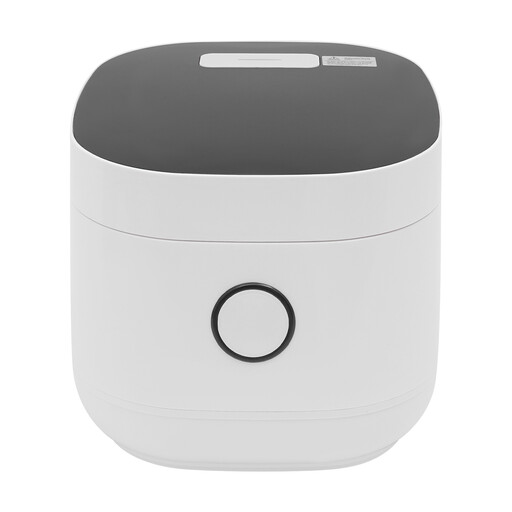 No image available
An option if you’re looking for a rice cooker with a programmable cooking time for several people.
The product name lists a 5 l capacity, a 24-hour delay timer, 900 W, a filter basket and a capacity for 5–8 people.
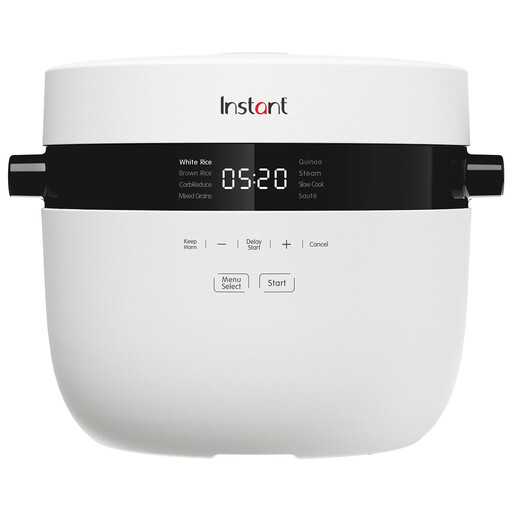 No image available
An option if you’re looking for one appliance that can cook rice and handle other types of cooking.
The product name lists 5 L (20 Cups), a stainless steel steaming insert, Slow Cook, Sauté and 860 W.
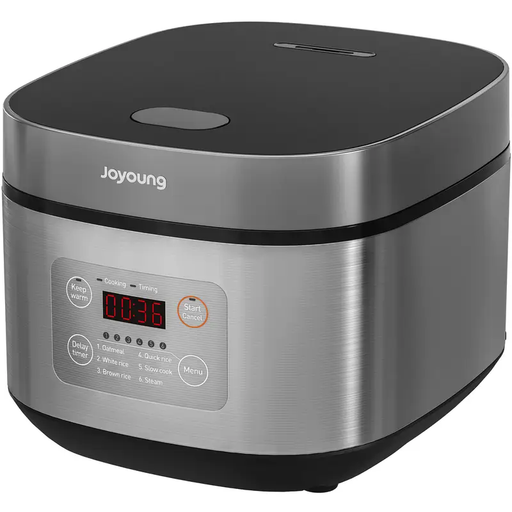 No image available
An option if you’re comparing 4-litre rice cookers with a timer.
The product name lists 860 W, a smart timer and an LED display.
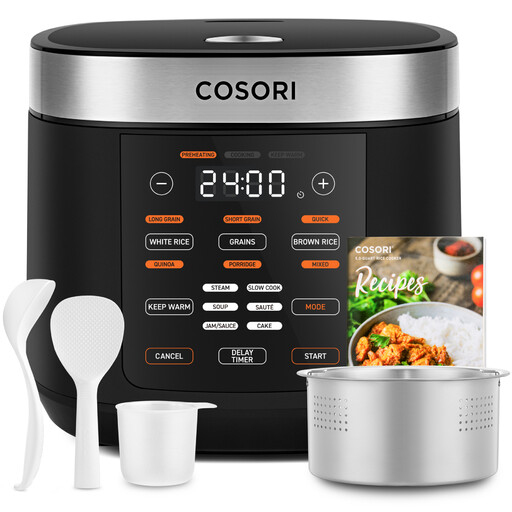 No image available
An option if you’re looking for a 5-litre rice cooker with a range of cooking functions.
The product name lists 17 cooking functions and a black finish.
 No image available
An option if you want a pressure multi-cooker to handle rice and other cooking tasks.
The product name lists 12 preset menus, including rice, as well as steaming, slow cooking and sautéing functions. According to the product information, grains and other foods that expand should not be filled above the halfway mark; the pressure must be fully released before opening.
Not for the whole week: the BfR recommends cooling leftovers to below +7 °C within a few hours, keeping them chilled and eating them within two to three days. You can divide larger quantities between several shallow containers. Make other suitable storage arrangements for portions you’ll need later.
Keep the lunch box chilled until you eat it. The BfR notes that inadequate temperatures during transport and storage can allow harmful bacteria to multiply; a multi-cooker’s keep-warm function is no substitute for keeping food chilled during transport.
No. Rommelsbacher states that the MD 1000’s rice programme does not have a delay-start function. If you want to plan your cooking time in advance, check the timing functions for the specific programme.
According to the German-language Duo manual, foods that expand during cooking, including rice, must not fill more than half the inner pot. Check the manual for your exact Duo version; this limit doesn’t automatically apply to other models.
It depends on the model and which parts are removable. Tefal says the RK812110 has removable, dishwasher-safe parts; F.A.Z. Kaufkompass found the tested Rommelsbacher MD 1000 awkward to clean. So check the information and handling instructions for the specific appliance.