
Lieferung heute & morgen

Qualitätsgarantie

Willkommens-Angebote freischalten: KOSTENLOSE Lieferung | Bis zu 80 % RABATT | Kostenlose 30-Tage-JoyPlus-Testphase
App herunterladen
Regularly replacing your brush heads is crucial for your electric toothbrush's performance and your overall oral hygiene. But the market can be overwhelming: countless models, different bristles, and the choice between original or compatible brush heads make the selection process complicated. A wrong purchase is not only frustrating but can also compromise cleaning effectiveness. This guide will help you avoid the most common pitfalls and find the perfect toothbrush head for your needs.
Before we dive into the details, let's address two widespread issues that lead to unnecessary costs and inadequate dental care.
To avoid making the wrong choice, you should check three fundamental criteria. These will help you narrow down the options and make an informed decision.
The most important characteristic is the fit. Always check the product description for compatibility information before buying. The two market-leading systems are fundamentally different:
The properties of the bristles determine the cleaning purpose and the sensation during brushing.
Manufacturers and dentists recommend changing the brush head every three months. Worn-out bristles clean less effectively and can damage your gums. Modern brush heads make timely replacement easier with visual cues:
Here are some recommendations tailored to different user profiles that specifically avoid the pitfalls mentioned.
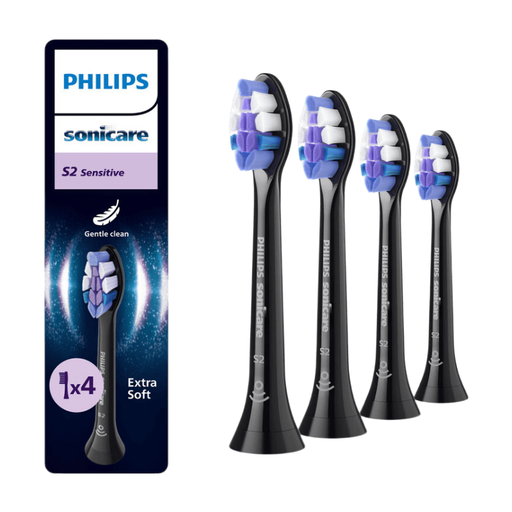
Why it's a perfect match: Ideal for users prone to gum irritation. The ultra-soft bristles provide a thorough clean without stressing sensitive tissue.
This model counters the 'one-size-fits-all' fallacy by offering a specialised solution for a common issue. Instead of a harsh, standard head, it focuses specifically on gentleness.
Features over 3,000 ultra-soft bristles for gentle plaque removal. Fits all Philips Sonicare click-on handles.
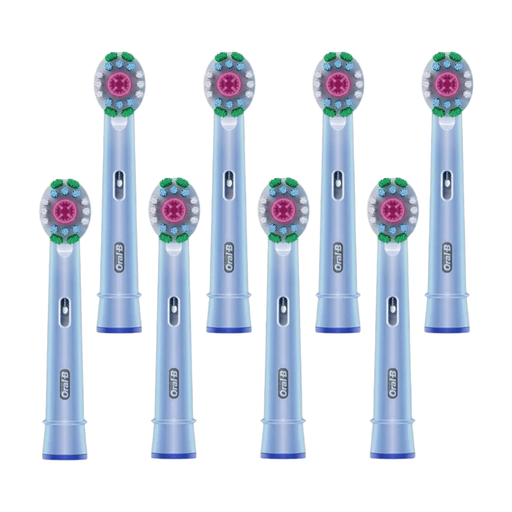
Why it's a perfect match: Designed for users who want to reduce surface stains from coffee, tea, or smoking.
Instead of a generic brush head, this model offers a feature specifically designed for stain removal, delivering a targeted benefit.
The central polishing cup is designed to hold toothpaste on the tooth longer to remove surface stains. Indicator bristles signal when it's time for a replacement.
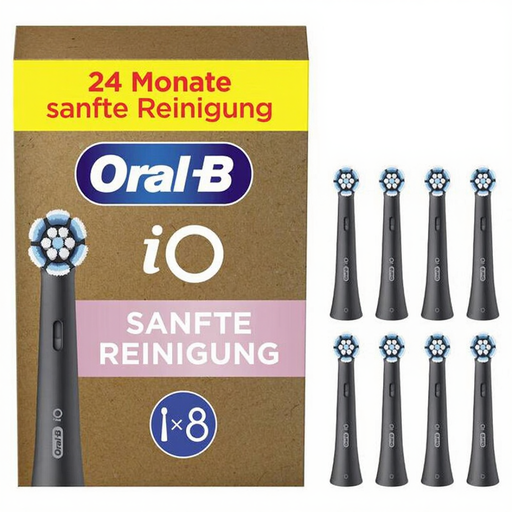
Why it's a perfect match: Developed exclusively for the Oral-B iO series, this brush head guarantees the full functionality of the micro-vibration technology and a perfect fit.
This model solves the compatibility trap for iO users. Buying standard Oral-B heads would be a clear mistake, as they do not fit the iO handle.
Combines the round brush head with the gentle micro-vibrations of iO technology. Its 4,000 soft bristles are designed for a powerful yet gentle clean.
We have compiled a complete, up-to-date list of products that fully meet these strict selection criteria.
1. How often should you replace brush heads? Generally, a replacement is recommended every three months. At the latest, when the bristles are frayed or the indicator bristles have changed colour, it's time for a new head. A worn-out brush head cleans significantly less effectively and can harbour more bacteria.
2. Do all Oral-B brush heads fit every Oral-B toothbrush? No. While most round Oral-B brush heads are compatible with the common rotating models (e.g., Pro, Smart, Vitality series), there are two important exceptions: the Oral-B iO and the Oral-B Pulsonic series. These require their own, specially shaped replacement brush heads. Therefore, always check the model name of your toothbrush.
3. Are compatible brush heads from third-party brands a good alternative?Compatible brush heads can be a cost-effective alternative to original products. However, quality and the precision of fit can vary. While original brush heads offer guaranteed compatibility and optimal optimisation for the handle's technology, it is advisable to carefully check the product description and customer reviews for third-party products. The cleaning performance and lifespan may not always match those of the original.