
Lieferung heute & morgen

Qualitätsgarantie

Willkommens-Angebote freischalten: KOSTENLOSE Lieferung | Bis zu 80 % RABATT | Kostenlose 30-Tage-JoyPlus-Testphase
App herunterladen
A brush set may seem practical at first glance: several sizes, different shapes and an apparently low price per brush. In practice, however, not every set is suitable for the intended use. Bristles that are too soft can distribute paint unevenly, unsuitable sizes can make it harder to achieve clean edges, and with make-up brushes, the shape of the head determines how precisely the product can be picked up.
This shopping guide from the Joybuy Product Recommendation Officer will help you distinguish relevant features from marketing claims and choose a brush set that suits your everyday needs.
A large set is not automatically versatile. For renovation work, for example, you need flat wall brushes for larger areas, as well as narrower versions for corners, edges and mouldings. With a make-up brush set, on the other hand, face brushes, eye brushes and, where needed, a specialised eyeshadow brush are the key items.
So check the exact contents before buying. A set with six sensibly graduated sizes may be more practical for everyday use than a large set containing several almost identical brushes.
Descriptions such as ‘professional’ or ‘premium’ say little on their own about suitability. More useful are specific details about synthetic filaments, natural hair, bristle length, density and the recommended type of paint or cosmetic product.
A foundation brush made from synthetic fibres may be designed for liquid and cream products. A powder brush, by contrast, needs a head that picks up and distributes powder evenly. For painting work, it is also important to check whether the brush is suitable for emulsion paint, varnish, acrylic paint or solvent-based products.
Paint or cosmetic residue that dries in the brush head can affect its shape and material. If a brush has a wooden handle, do not leave the handle submerged in water for extended periods. Regular cleaning is important for make-up brushes to prevent product residue and dirt from building up permanently between the fibres.
A good brush set should therefore suit not only the intended use, but also your own cleaning and care routine.
Synthetic brushes are usually made from nylon, Taklon or polyester fibres. In many cases, they are easy to clean and are available for liquid, cream and powder products. With paint brushes, polyester filaments can pick up paint and release it in a controlled manner. Whether a product qualifies as a vegan brush should be stated explicitly in the product information.
Natural hair may offer a different level of product pick-up for certain make-up applications. For example, the LUSSONI Pro Eyeshadow Blending Brush 400 is described as having natural goat hair. The brush is designed for loose and pressed eyeshadow. If you have sensitive skin, use any cosmetic brush carefully at first. Stop using it if irritation occurs.
The width affects both working speed and precision:
A 70 mm wall brush is therefore not the right choice for fine modelling work. Conversely, a small detail brush will work slowly on a large wall area and need frequent reloading.
The ferrule connects the bristles to the handle. Rust-resistant stainless steel or nickel-plated metal can support everyday usability when the brush is cleaned regularly and stored correctly. The handle should feel secure in your hand and suit the length of time you intend to work.
Paint brushes often have wooden handles that offer a traditional feel. Cosmetic brushes may use wood, plastic or ABS. The material itself is less important than a secure connection between the handle, ferrule and brush head.
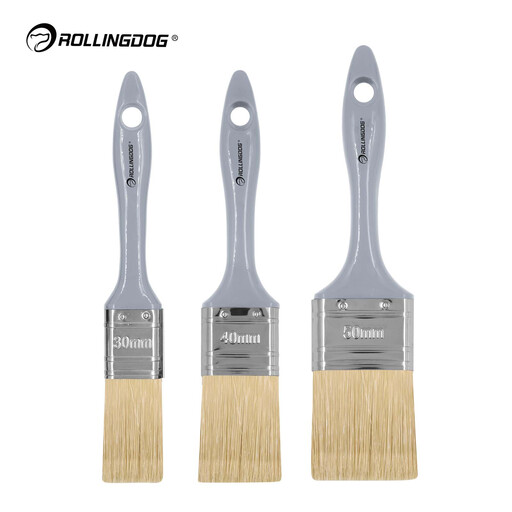
Why this product suits the profile: Three sizes of 30, 40 and 50 mm cover typical tasks involving furniture, mouldings and smaller wall areas. This makes the set suitable for occasional renovation work in a rented or owner-occupied home.
The sizes are clearly specified rather than being described simply as an ‘all-purpose set’. According to the product description, the synthetic hollow fibres are designed for wall, furniture and detail work.
Three graduated widths, stainless steel ferrules and synthetic bristles for water- and solvent-based paints, according to the product information.
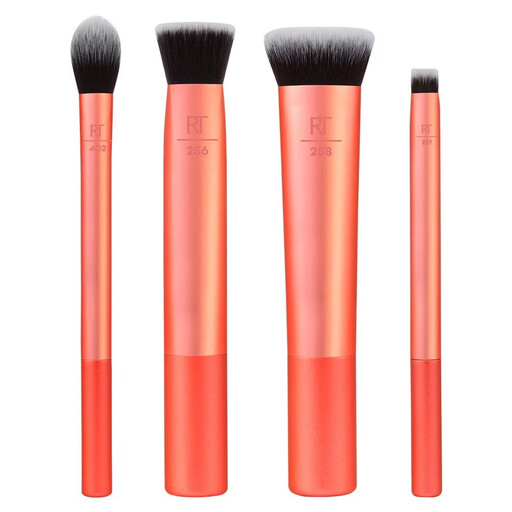
Why this product suits the profile: The four-piece set contains an Ultra Buff Brush, a concealer brush, a contour brush and a setting brush for several stages of face make-up application.
The intended uses are assigned to the individual brushes. This means you are not buying a set made up solely of similar face brushes.
Four synthetic brushes suitable for foundation, concealer, highlighter, blusher, bronzer and powder, according to the product description.
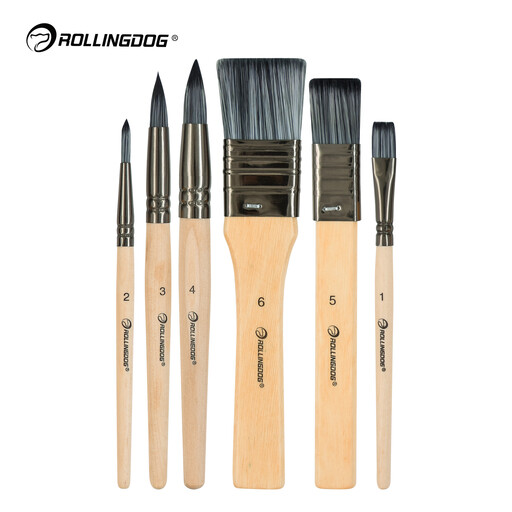
Why this product suits the profile: Artists, crafters and model makers receive flat and round brushes in several sizes for gouache, watercolour and acrylic paints.
The brush types and sizes are listed individually. This lets you check in advance whether the set contains suitable detail brushes for lines, areas and transitions.
Six brushes with synthetic filaments, nickel-plated ferrules and wooden handles, designed for controlled work on canvas, paper and similar surfaces.
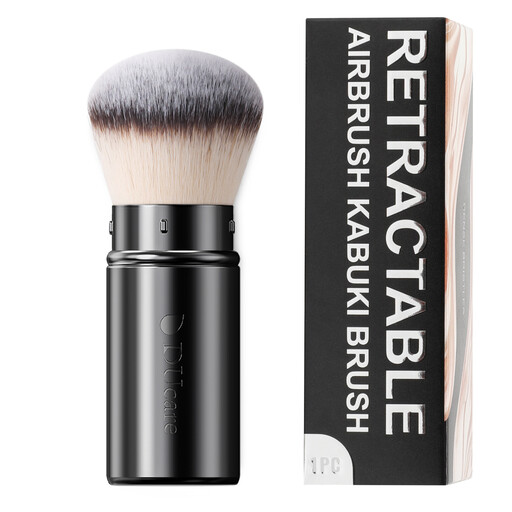
Why this product suits the profile: The retractable head with protective cap is suitable for a handbag, office or travel and takes up very little space.
The mechanism protects the synthetic bristles during transport. The product description also explicitly states that it is suitable for powder, cream and foundation products.
Retractable aluminium tube, protective cap and soft, dense synthetic bristles for use on the go.
We have compiled a complete, regularly updated list of products that fully meet these strict selection criteria and the safety regulations applicable in the EU.
For paint brushes, remove water-based paints immediately after use with warm water and soap. Oil- or solvent-based paints require the appropriate cleaning agent. Afterwards, leave the bristles to dry, without keeping the brush standing upright in liquid for extended periods.
Make-up brushes should be cleaned regularly with mild soap or a suitable brush cleaner. If possible, rinse only the brush head and avoid soaking wooden handles and metal ferrules for too long. To dry them, lay the brushes flat or place them with the head facing down on a towel. This helps prevent water from penetrating the connection between the ferrule and handle.
For wall paint, flat wall brushes in suitable widths are a sensible choice. A set with 30, 40 and 50 mm brushes covers edges, furniture parts and smaller areas. For larger, even wall areas, a 70 mm brush or paint roller may save time. Check the stated paint compatibility and clean the tool immediately after use.
The lifespan depends on the bristle material, build quality, frequency of use and care. Dried paint residue, prolonged soaking and unsuitable solvents can damage the bristles and ferrule. With cosmetic brushes, frequent washing, heat and storage conditions also affect their shape. It is therefore not possible to give a general fixed service life.
Yes, many synthetic brushes are available for foundation, concealer, powder, blusher and eyeshadow. The shape, density and product information are key. Vegan brushes use synthetic rather than animal hair; this designation should be stated explicitly by the supplier. Do not continue using the brush if it causes skin irritation.