
Lieferung heute & morgen

Qualitätsgarantie

Willkommens-Angebote freischalten: KOSTENLOSE Lieferung | Bis zu 80 % RABATT | Kostenlose 30-Tage-JoyPlus-Testphase
App herunterladen
A brush set can make painting, applying make-up or decorating much easier. The key is to choose bristles, shapes and sizes that suit the task. Many sets look versatile at first glance, but either contain too many brushes you won’t use or leave out important details about their materials.
That’s why the Joybuy Product Recommendation Officer focuses on clear, practical criteria rather than broad marketing claims.
A set with ten or more pieces can be useful if you genuinely need a range of sizes and shapes. For a small model-making project, though, three precise artist’s brushes are often more practical than a large assortment made up mostly of wide brushes. The same applies to make-up: a set should cover the specific tasks you need, such as applying foundation, concealer, face powder or eyeshadow.
Synthetic brushes can be made from different fibres, with varying density, elasticity and shape retention. The ferrule construction, how securely the bristles are attached and the handle material also matter. For a paintbrush set, the fibres should be suitable for the paint you’re using. With a make-up brush set, regular cleaning is also important, as the brushes come into direct contact with your skin.
A 70-mm wall brush is suitable for larger areas, but awkward to use on narrow edges or fine details. Conversely, using a small detail brush to paint doors or walls can take unnecessarily long. Before buying, decide whether covering large areas, creating lines or applying product precisely is your main priority.
Synthetic filaments are often a practical choice for watercolours, gouache and acrylic paints. You can clean them with water after using water-based paints, and with proper care they can retain their shape. Oil-based products require a suitable cleaner. For decorating jobs, product descriptions such as “for latex paint” or “for oil-based paints” offer useful guidance.
For make-up brushes, synthetic or vegan make-up brushes are a popular choice, as the material is clearly stated and cleaning is usually straightforward. By contrast, “soft” and “premium” aren’t technical specifications, so they shouldn’t be the only factors you consider.
The measurement in millimetres usually refers to the width of the brush head. For artist’s brush sets, also check the stated round or flat brush sizes.
A corrosion-resistant ferrule, a comfortable handle and securely attached filaments are features you can check objectively. Clean your brush straight after use. Remove water-based paints with water; for other paints, use the appropriate cleaner. Then reshape the bristles.
Prolonged soaking can damage wooden handles and the adhesive. Make sure make-up brushes are completely dry before putting them away in a closed bag or drawer.
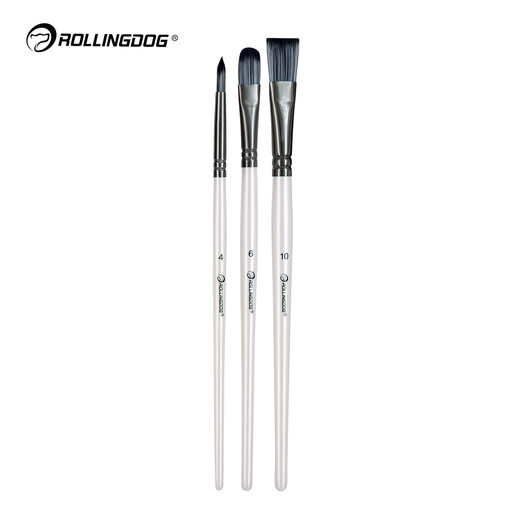
Why this product suits you: This compact artist’s brush set contains a flat brush, a filbert brush and a round brush. It’s suitable for getting started with gouache, watercolours and acrylics on paper or canvas.
The three clearly specified brush types help you avoid sets with lots of duplicate or unsuitable sizes.
Synthetic filaments, coated wooden handles and nickel-plated ferrules; sizes #10, #6 and #4.
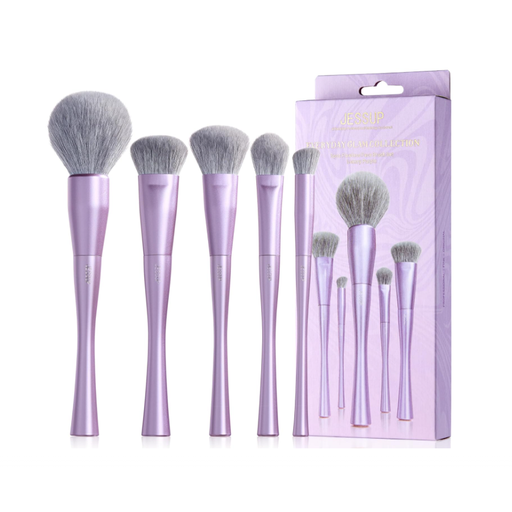
Why this product suits you: This set covers foundation, concealer, powder, contour and highlighter. Its synthetic fibres and ABS handles are designed for regular use with make-up.
Each brush has a specific intended use, rather than the set relying on vague claims of versatility.
Five clearly defined face brushes with synthetic bristles; supplied in a box.
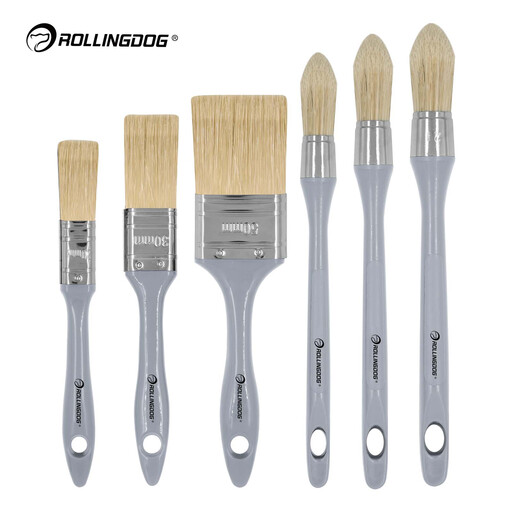
Why this product suits you: For decorating, furniture, doors and edges, this paintbrush set combines flat brushes with three pointed round brushes. It’s designed to handle a variety of indoor and outdoor jobs.
The 20, 30 and 50 mm brushes, plus the 15, 18 and 21 mm brushes, cover a range of working widths and detail tasks.
Synthetic filaments, stainless steel ferrules and stated suitability for varnishes, acrylic paints, latex paints and wood stains.
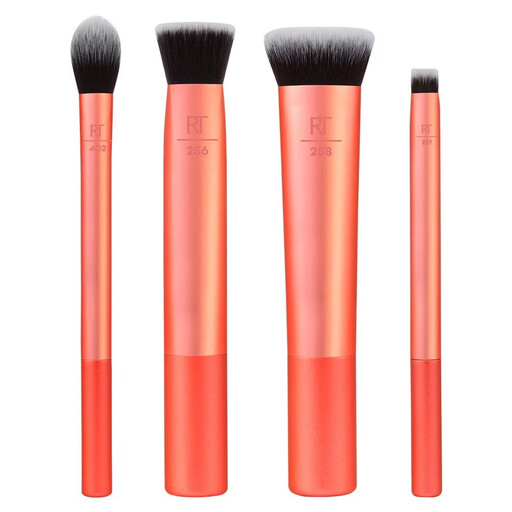
Why this product suits you: Four face brushes cover concealer, foundation, contour and powder. It’s an easy way to get started without needing a large specialist set.
Each of the four brushes is named for its intended use, helping you avoid buying the wrong basics.
Synthetic bristles, four different brush types and suitability for liquid, cream and powder products.
We’ve put together a complete, regularly updated list of products that meet these strict selection criteria and the safety regulations in force in the EU.
For painting, three to six different shapes and sizes are usually enough, depending on the project. For make-up, three to five brushes for foundation, concealer, powder and blusher or contour often make a practical starter set. A larger set is most worthwhile if you’ll use the extra brushes regularly.
There’s no reliable way to give a fixed lifespan. It depends on how often you use the brushes, the paints or make-up, and how you clean and store them. Securely attached bristles, a sturdy ferrule and avoiding prolonged soaking can help extend their useful life. Replace a brush if you notice significant bristle loss, misshapen bristles or a damaged handle.
Synthetic filaments are used in both acrylic paint brushes and many make-up brushes. What matters is the manufacturer’s specific guidance on how each brush should be used. An artist’s brush for acrylic paint isn’t automatically suitable for skin, while a face brush isn’t designed for varnish or wall paint. Keep the intended uses separate.