
Lieferung heute & morgen

Qualitätsgarantie

Willkommens-Angebote freischalten: KOSTENLOSE Lieferung | Bis zu 80 % RABATT | Kostenlose 30-Tage-JoyPlus-Testphase
App herunterladen
A brush set can often seem like a practical all-in-one solution at first glance. Product descriptions list a wide range of sizes, materials and applications. Even so, a set may be unsuitable if the brushes do not match the paint, surface or level of precision required. This guide explains what hobby artists, beginners, model makers, DIY enthusiasts and anyone buying a make-up brush set should look out for.
A set containing twelve or more brushes may still include only similar shapes. Watercolour painting, for example, requires absorbent round brushes, while acrylic paints are often applied with synthetic brushes that retain their shape and offer good control. The brush types and sizes are therefore more important than the number of pieces alone.
Watercolours, acrylics, oils, varnishes and cosmetic products all have different requirements. A watercolour brush should pick up water and paint in a controlled way. An acrylic brush needs bristles that are easy to clean and retain their shape. With make-up brushes, on the other hand, skin feel, bristle shape and suitability for powder, liquid or cream products are key considerations.
“Soft hair” or “professional quality” tells you very little if the exact bristle material is not stated. Check whether synthetic fibres, natural hair or an unspecified material is used. The ferrule and handle are also important: a poorly secured ferrule can cause bristles to come loose, while a slippery handle makes precise work more difficult.
Synthetic brushes made from nylon, PET or similar fibres are often easy to care for and suitable for acrylics, craft paints and many water-based media. Natural hair can absorb more liquid, but requires careful cleaning and drying. For cosmetics, the “vegan” label is only verifiable if the manufacturer specifies the bristle material accordingly.
Oil and varnish paints also require you to follow the relevant cleaning instructions. Not every brush set is designed for use with solvents. For children and school pupils, it is advisable to look for clear information about the intended use and to follow the safety instructions on the packaging.
Size designations are not identical across all brands. With art brushes, you should therefore also check measurements in millimetres or specific sizes such as #2, #6 or #10.
A corrosion-resistant metal ferrule can help extend a brush’s service life with regular use. The handle should be sturdy and provide sufficient control. After use, water-based paints are best removed immediately with water. Oil and varnish paints require the appropriate cleaning agent.
Do not leave brushes standing in water for long periods. This can damage the adhesive, wood or ferrule. Carefully reshape the bristles after cleaning and dry the brushes flat or with the tip pointing downwards. Particularly fine miniature brushes should be stored safely so that the tip does not bend.
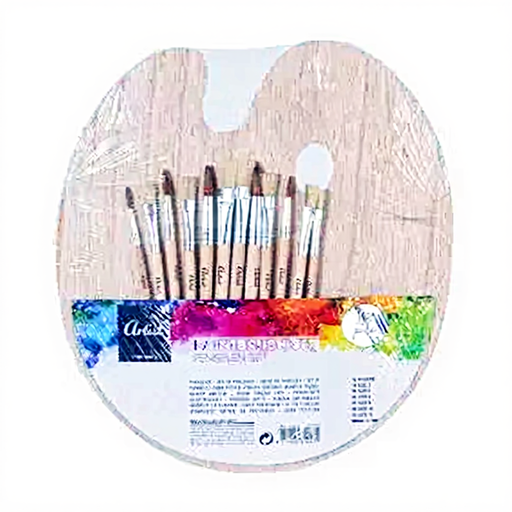
Why this product suits the profile: The set contains twelve thin, medium and thick brushes, as well as a wooden palette. This allows pupils, families and beginners to try out different painting techniques.
The different thicknesses are clearly specified. Buyers therefore do not have to rely solely on a high piece count without any size information.
12 brushes, various sizes and a wooden palette; designed for art lessons, craft projects and painting together.
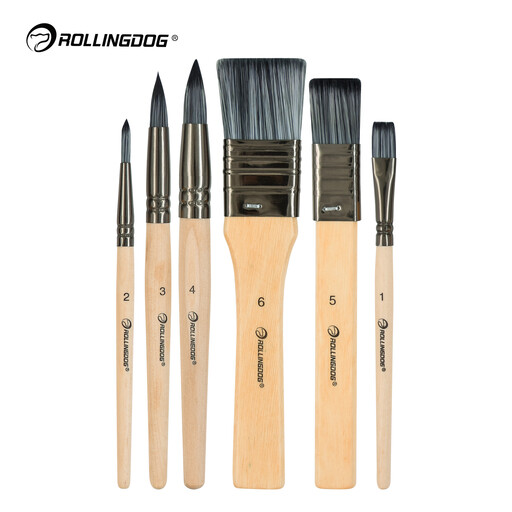
Why this product suits the profile: This artist brush set combines flat and round brushes in several sizes. Synthetic filaments, nickel-plated ferrules and wooden handles are clearly specified.
The brush types and sizes are listed individually. This makes it easier to compare the set with acrylic, gouache and watercolour projects.
Six brushes with flat and round shapes; synthetic filaments and wooden handles for controlled work on paper or canvas.
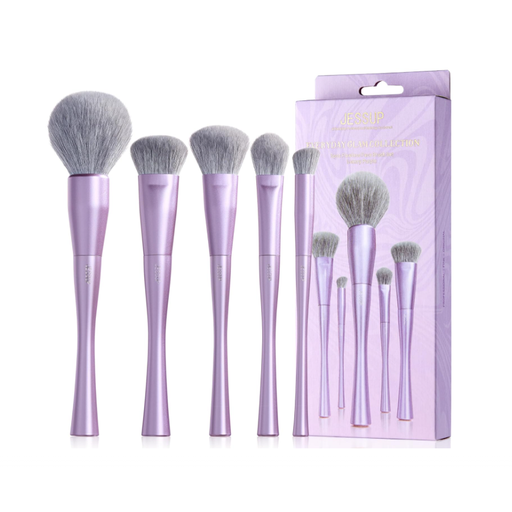
Why this product suits the profile: This make-up brush set includes five face brushes for foundation, concealer, powder, contour and highlighter. The synthetic fibres are described by the supplier as vegan and cruelty-free.
The five intended uses are clearly assigned. This helps buyers see whether the set matches their own range of cosmetics.
Five face brushes, ABS handles, reinforced metal ferrules and a gift box; designed for powder, cream and liquid products.
For acrylic brushes and general craft projects, several synthetic shapes are useful. For larger areas, a flat set with different widths may be more suitable than a detail set. According to its product description, the Kinzo Brush Set with 10 flat brushes covers sizes from 12 to 75 mm and is intended for acrylics, oils, watercolours and craft projects.
For individual watercolour projects, a medium-sized round brush may be sufficient. The Lamy aquaplus Paint Brush Natural Size 8 is described as having natural bristles and increased water absorption. Natural hair should be cleaned particularly carefully and dried flat.
For very small areas and model making, detail brushes with tapered filaments are practical. The ROLLINGDOG Detail Brush Set 2PC is designed for controlled detailing and touch-up work. If you prefer working with markers rather than brushes, the Ohuhu Dual Tip Art Markers offer an alternative with brush and fineliner tips.
We have put together a complete, regularly updated list of products that fully meet these strict selection criteria and the safety regulations applicable in the EU.
That depends on how you plan to use it. For beginners, several shapes and sizes are more useful than a large number of identical brushes. For miniatures, a set with two to six detail brushes may be sufficient, while a versatile artist brush set should also include flat and filbert brushes.
Their service life depends on the material, paint, cleaning method and frequency of use. Remove acrylic paint immediately after painting, do not leave brushes standing in water and store them dry. Make-up brushes should be cleaned regularly in accordance with the manufacturer’s instructions.
Many synthetic brushes are marketed for both media, but their specific suitability should be stated in the product description. Watercolour requires controlled water absorption, while acrylic requires straightforward cleaning and bristles that retain their shape. Always check the medium, bristle material and care instructions together.