
Lieferung heute & morgen

Qualitätsgarantie

Willkommens-Angebote freischalten: KOSTENLOSE Lieferung | Bis zu 80 % RABATT | Kostenlose 30-Tage-JoyPlus-Testphase
App herunterladen
As a Joybuy Product Recommendation Officer, I see the growing interest in alternatives to conventional wheat noodles every day. In particular, buckwheat noodles, also known as soba noodles, are gaining popularity. However, the selection can be overwhelming: varying buckwheat percentages, nutritional profiles, and compositions make the choice difficult.
This guide aims to provide clarity. We'll present objective criteria to help you find the right noodles for your needs—whether for a nutritious meal, an authentic Asian dish, or a mindful diet.
To make an informed decision, a few key product features are crucial. Use the following points to objectively compare different Asian noodles.
The percentage of buckwheat flour is a key quality indicator. It influences not only the characteristic nutty flavour but also the texture and nutritional profile of the noodles.
For many consumers, the health benefits are a primary reason to buy whole grain noodles. A look at the nutritional information per 100g is therefore essential.
Not every noodle is suitable for every dish. The composition determines how well the noodles perform in different cooking methods.
Based on the criteria above, we have curated a selection of products that cater to different needs and preferences.
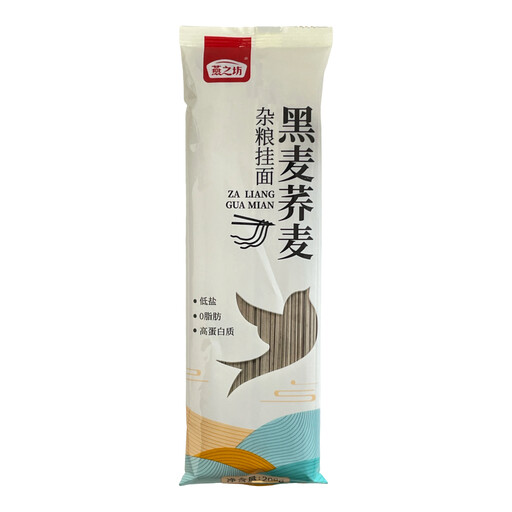
Why It Stands Out: This product combines two types of grain. According to the manufacturer, the noodles are made with 35% rye flour and 27.6% buckwheat flour. This blend aims for a balanced texture and a complex flavour.
Advantages:
Who It's For: Individuals looking for a multi-grain alternative who value a high protein content. The blend of rye and buckwheat offers a different flavour experience compared to pure buckwheat noodles.

Why It Stands Out: These noodles come in a large 800g pack, making them ideal for families or for stocking the pantry. According to the manufacturer, the recipe contains ≥20% buckwheat flour as well as 3% yam flour and wheat gluten, which provides extra elasticity.
Advantages:
Who It's For: Families and anyone who regularly uses Asian noodles and is looking for a versatile, firm-cooking option in a value-sized package.
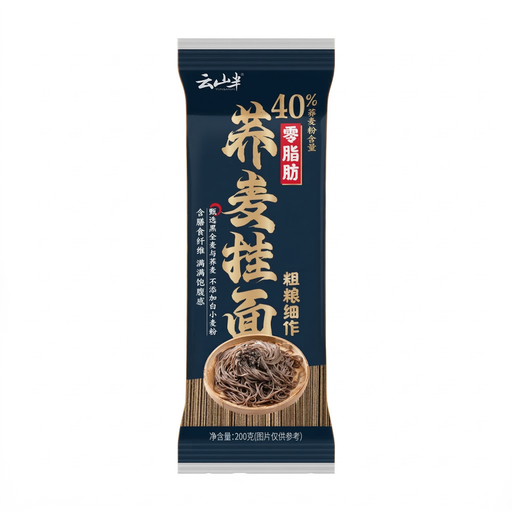
Why It Stands Out: This product is clearly positioned as an option for mindful eating. It advertises a 40% buckwheat content, 0g of fat, and a declared fibre content.
Advantages:
Who It's For: Health-conscious consumers, fitness enthusiasts, and individuals specifically looking for low-fat noodles with high fibre and buckwheat content.
The world of healthy noodles is diverse. If you haven't found the right fit among the featured products or want to explore more varieties and buckwheat-based ingredients, you can find more choices in our broader category.
Explore our entire range of buckwheat products.
Buckwheat noodles are noodles made wholly or partially from buckwheat flour. Botanically, buckwheat is not a grain but a pseudocereal. In Japanese cuisine, they are known as soba noodles and are a staple in many traditional dishes.
Compared to conventional durum wheat noodles, buckwheat noodles can have a different nutritional profile, depending on the product and its buckwheat content. They often contain more dietary fibre and plant-based protein. Products made with 100% buckwheat are also an option for a gluten-free diet, provided they are certified as such. It is always advisable to compare the nutritional information on the packaging to find the product that best meets your dietary goals.
Preparation is straightforward and usually quicker than with wheat noodles. Bring a large pot of water to a boil, add the noodles, and cook for the time indicated on the package (often 3–8 minutes) until they reach the desired firmness. Then, drain them. For cold dishes, it's recommended to briefly rinse the noodles with cold water to stop the cooking process and prevent them from sticking together.