
Lieferung heute & morgen

Qualitätsgarantie

Willkommens-Angebote freischalten: KOSTENLOSE Lieferung | Bis zu 80 % RABATT | Kostenlose 30-Tage-JoyPlus-Testphase
App herunterladen
Buckwheat noodles, often known as soba noodles, are a staple in Asian cuisine and are steadily gaining popularity in the UK. They are not only a versatile ingredient for soups, salads, and stir-fries but also offer a distinctive nutty, earthy flavour. However, anyone looking to buy Asian noodles is often faced with a wide selection featuring subtle but important differences.
This guide will help you understand the characteristics of buckwheat noodles and make an informed purchasing decision. We will outline objective criteria and present a selection of products that stand out for their specific qualities.
To find the right noodles for your culinary needs, three aspects are particularly important: the buckwheat content, the origin, and the ingredient list.
The percentage of buckwheat flour is crucial for the noodle's flavour profile and bite. As a general guide:
Buckwheat noodles are native to many Asian countries, with preparation methods varying by region:
A short and simple ingredient list is often a sign of a traditionally made product. Typically, buckwheat noodles consist of wheat flour, buckwheat flour, water, and salt. This simple composition makes them an interesting healthy pasta alternative for anyone looking to avoid unnecessary additives.
Based on the criteria above, we have curated a selection of buckwheat noodles that cater to different tastes and culinary preferences.
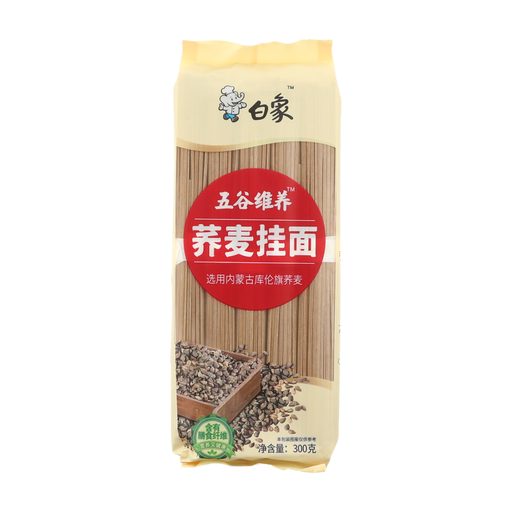
Why they stand out: These noodles from the Baixiang brand are a well-balanced option with a mild, nutty flavour, making them an excellent choice for a variety of Chinese dishes.
Benefits:
Best for: Individuals looking for a versatile Asian noodle for everyday use who prefer a milder buckwheat flavour for soups and stir-fries.
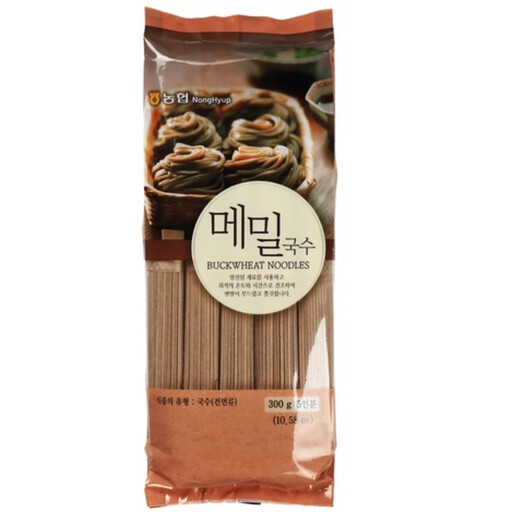
Why they stand out: Authentic Korean noodles with a high buckwheat content, offering a characteristically grainy and pleasantly chewy texture.
Benefits:
Best for: Fans of Korean cuisine who appreciate the authentic taste and firm texture of high-buckwheat noodles for cold or hot dishes.
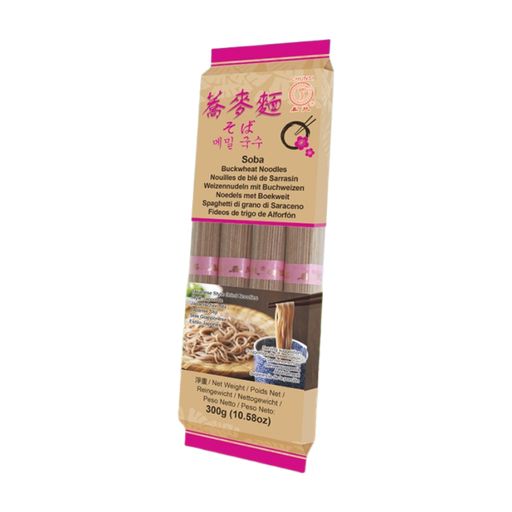
Why they stand out: These noodles represent a balanced blend, combining a noticeable buckwheat flavour with the versatility of wheat noodles.
Benefits:
Best for: Consumers seeking a nutrient-rich noodle option with a noticeable but not overpowering buckwheat flavour.
If the products featured here don't quite match what you're looking for, or if you'd like to explore different pack sizes and noodle types, you can find more alternatives in our range. Browse our selection to find the perfect noodles for your next meal.
Discover more 300g noodles at Joybuy
"Buckwheat noodles" is the general English term for noodles made from buckwheat flour. Soba noodles is the Japanese name for them. Although the term "soba" is often specifically associated with Japanese cuisine, both names essentially refer to the same type of noodle. Differences between products mainly arise from their respective buckwheat content and regional methods of production and preparation.
Preparation is quick and straightforward. A simple buckwheat noodle recipe to prepare them for other dishes is as follows:
Buckwheat noodles offer a different nutritional profile compared to noodles made purely from durum wheat. They are a source of fibre and protein. For example, according to the nutrition label, NongHyup Buckwheat Noodles contain 10g of protein per 100g, while Chunsi Noodles contain 12g of protein per 100g. Thanks to their nutty flavour and firm texture, they are a popular choice for anyone looking to add variety to their diet and find an alternative to traditional pasta.