
Lieferung heute & morgen

Qualitätsgarantie

Willkommens-Angebote freischalten: KOSTENLOSE Lieferung | Bis zu 80 % RABATT | Kostenlose 30-Tage-JoyPlus-Testphase
App herunterladen
Buckwheat noodles are a versatile base for soups, stir-fries and cold noodle salads. But when shopping online, the product name alone doesn’t tell you everything. Terms such as ‘soba’, ‘low fat’ or ‘with buckwheat’ can describe very different recipes. If you don’t compare the buckwheat content, pack size and cooking time, you could end up with a pack that doesn’t suit your taste or how much you need.
Many Asian buckwheat noodles are made mainly from wheat flour. Depending on the product, the buckwheat content might be 10%, 15%, 20%, 30% or 40%, for example. Products made with 100% buckwheat are a specialist category, and their ingredients, texture and cooking properties can differ significantly from those of blended noodles.
That’s why the ingredients list matters more than the front of the pack. Under German and European food law, ingredients are generally listed in descending order by weight. A stated percentage makes it easier to compare products directly.
A low fat content per 100 grams of dry noodles may be relevant to certain eating plans. However, the nutritional information usually refers to uncooked noodles. Sauce, oil, peanuts, meat or tofu will change the nutritional profile of the finished dish. So low-fat noodles don’t automatically make for a low-calorie meal.
A 200- or 300-gram pack is suitable for individual meals or smaller households. For families or regular cooking, 800 grams or 1 kilogram may be more practical. Dried buckwheat noodles are easy to store without taking up much space, but once opened, they should be kept in a cool, dry place in an airtight container if possible. Always follow the best-before date and the storage instructions on the packaging.
First, check the stated buckwheat content. Noodles containing 10% buckwheat usually have a milder flavour and are closer to traditional Chinese noodles. A higher proportion can give them a more pronounced, nutty flavour and a darker colour. Some recipes also contain starch, wheat gluten, yam powder, rice flour or rye flour.
If you’re looking for classic soba noodles, check whether a product is a blend or has a very high or 100% buckwheat content. You’ll find a selection of suitable products in the 100% buckwheat soba noodles category.
Most of the Asian buckwheat noodles featured here contain wheat and therefore gluten. Buckwheat itself isn’t wheat, but the finished noodles may contain gluten from wheat flour or wheat gluten. If you have coeliac disease or a wheat allergy, check the full ingredients and allergen information on the packaging of the product you’re considering.
For blended products containing other grains, or where there may be traces of allergens, always check the manufacturer’s information. Marketing terms such as ‘natural’ or ‘healthy’ are no substitute for a detailed ingredients list.
Compare energy, fat, carbohydrates, protein and salt per 100 grams. According to the product details, the products listed range from 287 to 358 kcal and from 0 to 2.6 grams of fat per 100 grams, for example. These figures aren’t directly comparable if portion sizes and recipes differ.
Cooking time and how you plan to use the noodles also matter:
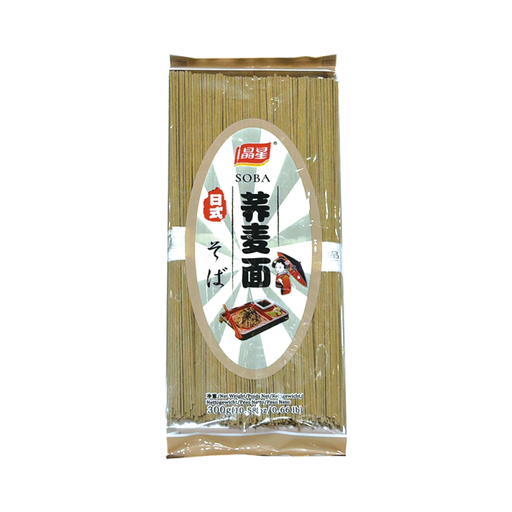
Why this product suits this profile: The 300-gram pack is a good size for trying out new recipes, cooking for one or making smaller portions for the family.
The stated buckwheat content of 15% makes the recipe clear, so you know what to expect from the flavour.
15% buckwheat flour, 1.2 g of fat per 100 g and a stated cooking time of 3 to 5 minutes.
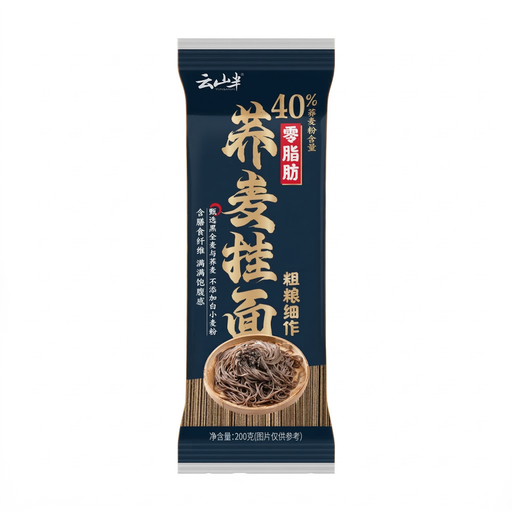
Why this product suits this profile: The stated 40% buckwheat flour content and smaller pack will appeal if you like to compare ingredients and portion sizes carefully.
The ‘0 Fat’ claim can be checked against the product information, which states 0 g of fat per 100 g. The recipe still contains wheat, so it contains gluten.
40% buckwheat flour, 12.8 g of protein and a stated cooking time of 3 to 5 minutes.
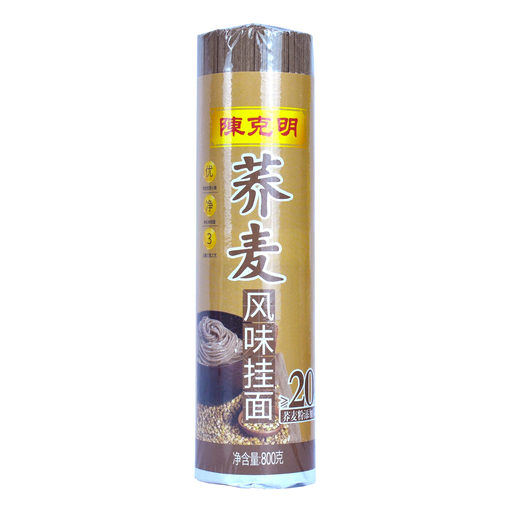
Why this product suits this profile: This larger pack is ideal for regular meals and works well in soups, stir-fries and cold noodle dishes.
The larger pack reduces the risk of running short if you cook these dishes often. The buckwheat content is stated as at least 20%.
800 g pack, 20% or more buckwheat flour, 12 g of protein and 1.7 g of fat per 100 g, according to the product details.
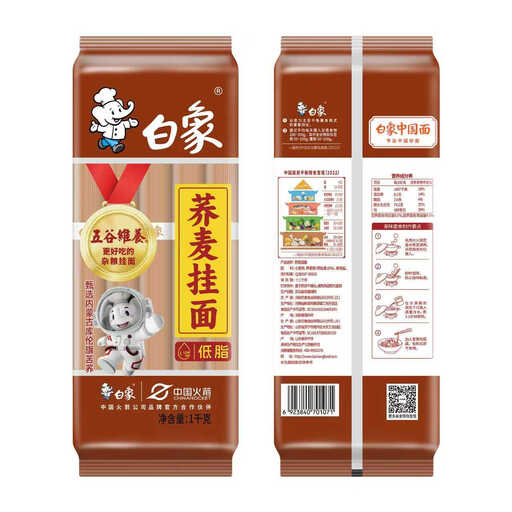
Why this product suits this profile: The 1-kilogram pack is a practical choice for families and households that regularly cook with Chinese noodles.
With 10% buckwheat flour, the buckwheat content is clearly stated, and you can plan ahead for the larger pack size.
1 kg pack, a cooking time of 5 to 7 minutes, and suitable for soups, cold noodle dishes and stir-fries.
We’ve put together a complete, regularly updated list of products that meet these strict selection criteria and fully comply with the safety regulations in force in the EU.
Not necessarily. Many products contain wheat flour or wheat gluten. Only products clearly labelled as gluten-free are suitable for people with coeliac disease or a wheat allergy. Always check the allergen information on the packaging.
The specific best-before date is printed on the packaging. Store unopened dried noodles in a cool, dry place away from direct sunlight. Once opened, keep them in an airtight container and use them promptly.
Yes. Many varieties are specifically intended for soups, stir-fries and cold noodle salads. For cold dishes, rinse them with water after cooking. For stir-fries, cook the noodles until they have the bite you want, then toss them briefly with the sauce and other ingredients.