
Lieferung heute & morgen

Qualitätsgarantie

Willkommens-Angebote freischalten: KOSTENLOSE Lieferung | Bis zu 80 % RABATT | Kostenlose 30-Tage-JoyPlus-Testphase
App herunterladen
Buckwheat noodles work well in a wide range of dishes: as Japanese soba noodles served with a dipping sauce, as Chinese buckwheat noodles in broth, or as the base for cold noodle salads and stir-fries. However, the product name does not always indicate the buckwheat content you might expect. If you focus only on the word “soba” or claims such as “low fat”, you could end up buying a product made mainly with wheat flour and containing comparatively little buckwheat.
Traditional soba noodles are made with buckwheat. However, the proportion can vary considerably in industrially produced products. One example is NISSIN Soba Chili 92 g: wheat flour is listed first in the ingredients, while buckwheat flour is not mentioned. This product is therefore more of a seasoned instant noodle snack in the wok style than a classic buckwheat noodle.
Dried buckwheat noodles are often low in fat, but mainly provide carbohydrates. Salt content can also vary significantly depending on the recipe. Baixiang Buckwheat Noodles, for example, list 1.47 g of salt per 100 g, while Jin Sha He Buckwheat Noodles contain 450 mg of sodium per 100 g. These figures cannot be directly compared without conversion. The nutritional information on the relevant packaging is the definitive reference.
Buckwheat can contribute to your fibre intake. However, a specific claim is only meaningful if the fibre content is stated in the nutritional declaration. Several products in the selection do not provide a fibre value. A missing value is not evidence of either a high or low content.
The most important figure for comparison is the declared proportion of buckwheat flour. Examples from the selection include:
A higher proportion usually affects the colour, aroma and bite. However, it is not automatically necessary for every recipe. For a mild soup base, 10 to 15% may be sufficient; higher proportions may be suitable if you want a more pronounced buckwheat flavour.
Buckwheat is botanically not a type of wheat. However, many products combine it with wheat flour or wheat gluten. This means that the classic buckwheat noodles in this selection are not automatically gluten-free. If you have coeliac disease or a known allergy, check the information on the packaging.
Hakubaku Cha Soba Noodles are also not a pure buckwheat product: the description states 97% organic wheat flour, 2% organic green tea powder and 1% organic buckwheat flour. Egg and soya are also listed as allergens. This product is therefore not suitable for a gluten-free diet.
Packs of 150 to 300 g are practical for occasional meals. Families and frequent users can reduce the number of shopping trips with 500 g or 800 g multipacks. Depending on the product, cooking times are usually between 3 and 7 minutes:
For cold dishes, the noodles are usually drained after cooking and briefly rinsed with cold water. This removes excess starch and can help preserve their bite. Always follow the manufacturer's specific instructions.
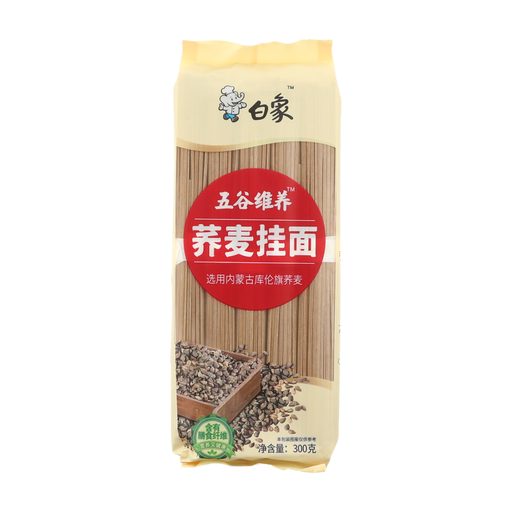
Why this product suits this profile: The 300 g pack is ideal for trying buckwheat noodles and for smaller households. With 15% buckwheat flour, the flavour is noticeable but remains relatively balanced.
The buckwheat content is clearly stated as 15%. This makes it easier to put the product name into context.
300 g pack, a cooking time of 3 to 5 minutes and, according to the product information, 1.0 g of fat and 12.5 g of protein per 100 g.
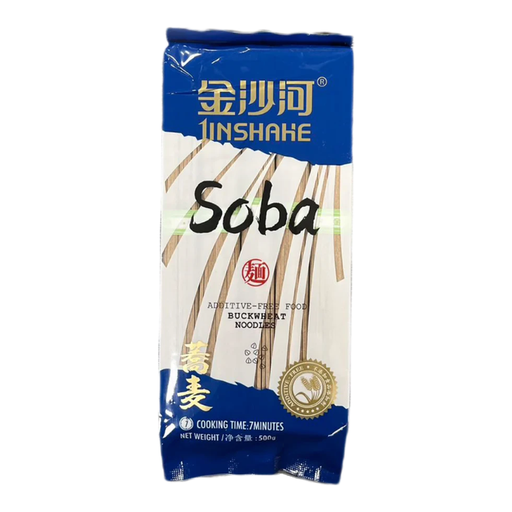
Why this product suits this profile: The declared buckwheat content of at least 30% appeals to shoppers looking for a more pronounced aroma and darker-coloured noodles.
The proportion is stated as “at least 30%”. This is more informative than general soba or wholegrain marketing without a stated quantity.
500 g multipack; according to the product information, 5.0 g of fibre and 1.8 g of fat per 100 g.
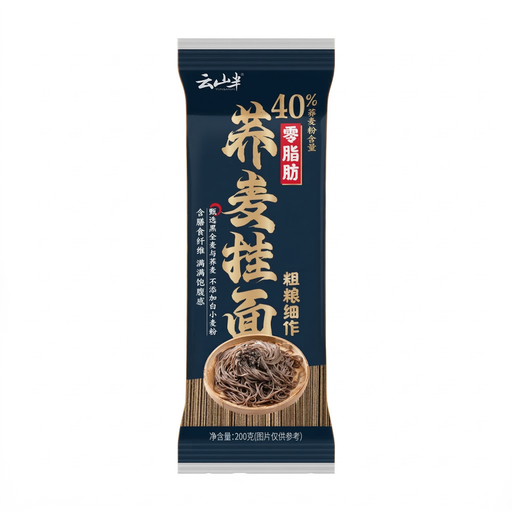
Why this product suits this profile: The recipe contains 40% buckwheat flour and, according to the product description, is suitable for soups, cold noodles, dishes with sauce and wok cooking.
The high declared proportion prevents a striking product name from being mistaken for a recipe whose ingredients are barely described.
200 g pack, a cooking time of 3 to 5 minutes, 0 g of fat and 4.4 g of fibre per 100 g according to the product information.
We have put together a complete, regularly updated list of products that fully meet these strict selection criteria and the safety regulations applicable in the EU.
For noodle soups, cooking the noodles in plenty of water and then serving them in broth or with sauce is usually all that is needed. For stir-fried noodles, they should be fully cooked but not soft or overcooked. For cold noodle salads, rinse the noodles with cold water and mix them immediately with the dressing, vegetables or tofu.
Unopened dried buckwheat noodles should normally be stored in a cool, dry place protected from light. Once opened, the pack should be tightly sealed. The specific best-before date and storage instructions on the packaging are the definitive reference.
Not automatically. Many Asian noodles containing buckwheat also contain wheat flour or wheat gluten. If you need to avoid gluten, choose only products with clear gluten-free labelling and a suitable ingredients list.
When stored correctly, dried noodles can be kept until the best-before date printed on the pack. Once opened, they should be stored somewhere dry and airtight and used promptly according to the manufacturer's instructions. Cooked noodles should be kept in the fridge and eaten within a short time.
Yes. Many varieties can be cooled after cooking and used in salads, soba dishes with dipping sauce or cold noodle bowls. The key is to follow the cooking time and briefly rinse the noodles after draining so that they do not become excessively sticky.