
Lieferung heute & morgen

Qualitätsgarantie

Willkommens-Angebote freischalten: KOSTENLOSE Lieferung | Bis zu 80 % RABATT | Kostenlose 30-Tage-JoyPlus-Testphase
App herunterladen
The search for nutritious alternatives to conventional wheat pasta leads many to buckwheat noodles. Often known as Soba Noodles, these Asian noodles are a staple in the kitchens of health-conscious individuals and lovers of culinary diversity. However, the market is vast, and the differences in quality, composition, and taste are significant.
This buyer's guide is designed to help you make an informed decision. We will present objective criteria and a selection of products that stand out for their specific characteristics. This will help you find the right buckwheat noodles for your dietary goals and culinary plans.
To find the right noodles for your needs, it's helpful to understand a few basic features. The following three points provide a guide.
The term "Soba" is the Japanese word for buckwheat. However, not all products labelled as Soba Noodles are made from 100% buckwheat. Wheat flour is often added to increase elasticity and prevent the noodles from breaking during cooking.
Check the ingredients list to determine the exact buckwheat content. This is especially important for those who prefer the intense buckwheat flavour or want to reduce their wheat consumption.
Buckwheat noodles are considered healthy noodles because buckwheat naturally provides valuable nutrients. A look at the nutrition facts table will confirm whether a product meets your requirements.
Not all buckwheat noodles are the same. Depending on their composition and shape, they are suitable for different types of preparation.
Based on the criteria mentioned, we have compiled a selection of products that focus on different strengths.
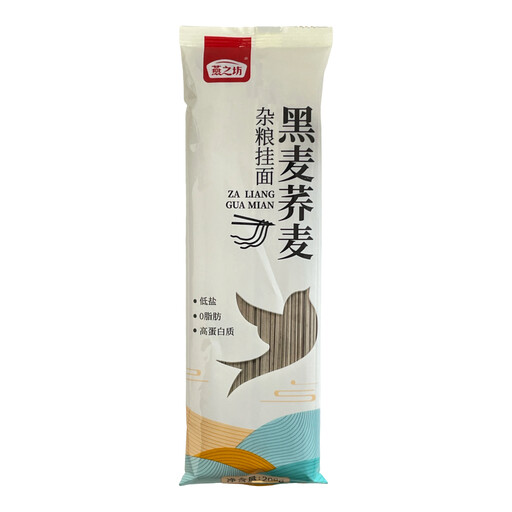
What makes them stand out: These noodles combine rye and buckwheat flour, resulting in an exceptionally high protein content and a hearty flavour.
Objective Features:
Who are they for? Ideal for athletes and anyone specifically looking for protein-rich noodles who appreciates the robust taste of mixed grains.
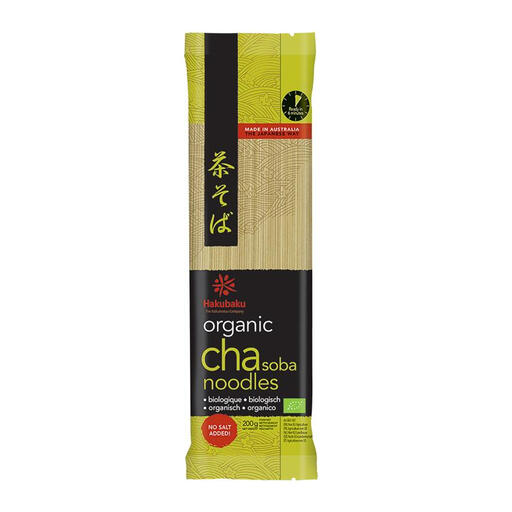
What makes them stand out: An authentic Japanese speciality that enhances traditional soba noodles with the delicate aroma of organic green tea powder.
Objective Features:
Who are they for? For lovers of Japanese cuisine who are looking for a special noodle variety for cold dishes or light soups and enjoy the subtle taste of green tea.
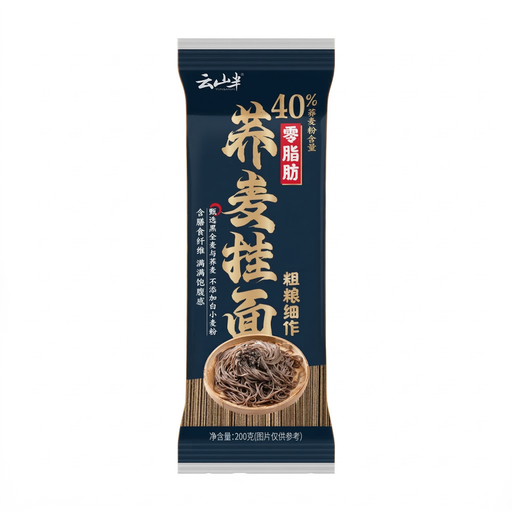
What makes them stand out: These noodles offer a clearly defined, high buckwheat content of 40% and are completely free of fat and sugar, according to the nutritional information.
Objective Features:
Who are they for? Perfect for individuals who value a clear nutritional profile, want a fat-free option, and prefer the characteristic flavour of buckwheat.
Our selection covers various needs, but the range of Asian noodles is diverse. If you want to compare more products with different compositions or from other countries of origin, you will find a broader selection in our category.
Discover more 200g noodles in our range.
Essentially, there is no difference. "Soba" is the Japanese name for buckwheat, so Soba Noodles are a type of buckwheat noodle. However, the term is mostly used for the typical thin Japanese variety, which often also contains a portion of wheat flour.
No. Only noodles made from 100% buckwheat flour are naturally gluten-free. Since buckwheat does not contain gluten, wheat flour is often added to make the noodles more elastic and durable during cooking. Individuals with coeliac disease or gluten intolerance should therefore always check the ingredients list carefully.
Cook the noodles in a large pot with plenty of boiling, salted water. The cooking time varies depending on the thickness and composition (usually between 3 and 8 minutes). Follow the instructions on the package. An important step is to rinse the noodles with cold water after cooking. This removes excess starch, stops the cooking process, and prevents the noodles from sticking together—especially important if they are served cold.