
Same-day & Next-day Delivery

Quality Guaranteed

Unlock Your Welcome Offers: FREE Delivery | Up to 80% OFF | Free 30-day JoyPlus trial
Download the APP
Buckwheat noodles combine a subtly nutty flavour with the versatility of Asian noodles. They are suitable for hot soups, stir-fry dishes, cold salads and Japanese soba noodles. However, the word “buckwheat” on the packaging is not enough to help you choose. The actual buckwheat content, allergens and nutrition table determine whether a product meets your requirements.
Many products consist mainly of wheat flour and contain only a small proportion of buckwheat flour. Among the products available, the stated values range from 2% Tartary buckwheat to 40% buckwheat flour, for example. A higher proportion can provide a more pronounced aroma and darker colour, but it also affects the texture and price.
If you are looking for Chinese buckwheat noodles or Japanese soba noodles, you should therefore check the ingredients list and the quantitative ingredients declaration. The order of the ingredients also indicates which ingredient makes up the largest proportion.
Dried buckwheat noodles naturally contain mainly carbohydrates. A low fat content therefore does not automatically make them a low-calorie meal. According to the available information, the energy values range from approximately 287 to 360 kcal per 100 g of dry weight, depending on the product.
Side dishes, oil, peanut sauce, stock and toppings also affect the overall nutritional balance. Terms such as low-fat noodles or “0 Fat” should therefore always be considered alongside energy, carbohydrates, protein, fibre and salt.
Botanically, buckwheat is not wheat. However, many buckwheat noodles contain wheat flour or wheat gluten to keep them elastic and prevent them from falling apart during cooking. Products such as Jin Sha He, YunShanBan, CKM and Wheatsun list wheat as an allergen. Hakubaku Cha Soba also contains mainly wheat flour, as well as egg and soya.
If you have coeliac disease, a wheat allergy or follow a gluten-free diet, the specific labelling is therefore crucial. Do not rely solely on the product name “buckwheat noodles”.
For a distinct buckwheat flavour, it is worth checking the percentage:
Blends containing wheat generally produce elastic noodles that hold their shape well. A higher buckwheat content, on the other hand, can offer a more pronounced flavour and a slightly different bite.
Compare products using the same reference quantity. The following values are particularly relevant:
The description high-fibre noodles should be assessed based on a specific gram value. Your portion size also matters for your individual diet, not just the value per 100 g.
A 200 g pack is suitable for smaller households or for trying a product. Packs weighing 300 to 500 g are practical for regular meals, while 800 g or 1 kg packs may appeal to families and frequent users. The cooking times for the products mentioned are generally between 3 and 7 minutes.
For cold noodle dishes, the noodles are often briefly rinsed with cold water after draining. For soups and stir-fries, it is important to consider whether the noodles make the stock cloudy or break easily when stirred. Always follow the instructions on the relevant packaging.
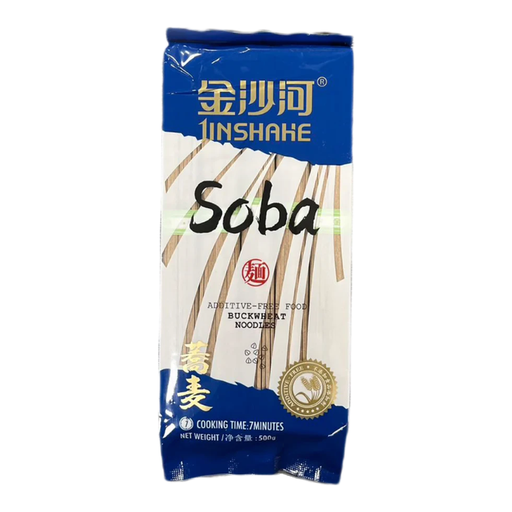
Why this product suits this profile: The 500 g pack provides a practical quantity for soups, salads and stir-fries. The stated buckwheat content of at least 30% makes the composition transparent.
The buckwheat content is clearly stated, and wheat is also listed as an allergen. This makes it easier to assess the blend before buying.
500 g pack size, at least 30% buckwheat flour, and according to the stated information, 5.0 g of fibre and 1.8 g of fat per 100 g dry weight.
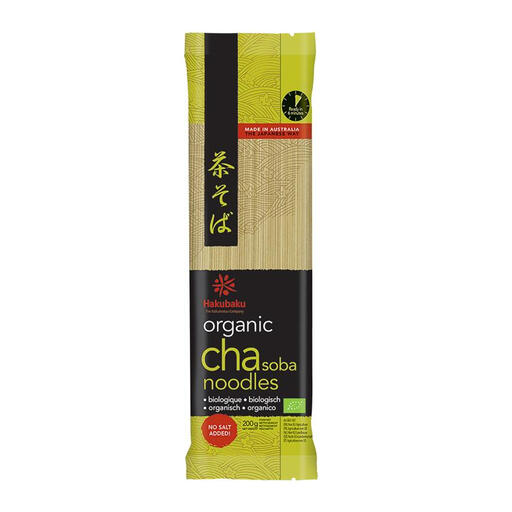
Why this product suits this profile: The combination of 97% organic wheat flour, 2% organic green tea powder and 1% organic buckwheat flour is aimed at shoppers looking for a clearly described speciality for cold soba dishes or stock.
The ingredient percentages are clearly stated. At the same time, it is clear that the buckwheat content is low and that the product contains wheat, egg and soya.
Made in Okayama according to the product description, with a 200 g pack size and 2% green tea content.
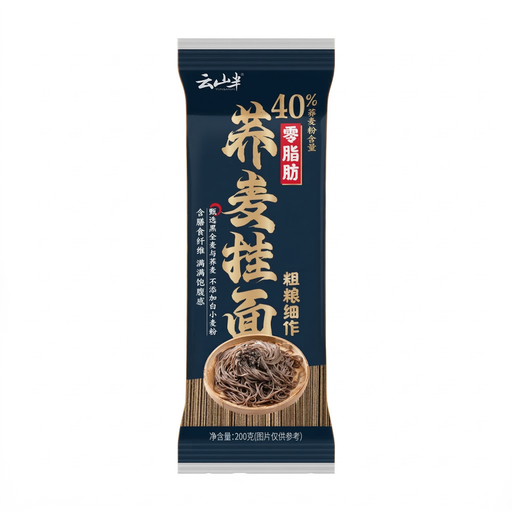
Why this product suits this profile: The manufacturer states that it contains 40% buckwheat flour and 0 g of fat per 100 g. The 200 g pack is suitable for portioned meals and mindful meal planning.
The “0 Fat” claim is clarified by the nutrition table. However, it is important to note that the product contains wheat flour and is not gluten-free.
40% buckwheat flour, 4.4 g of fibre and 12.8 g of protein per 100 g according to the product information.
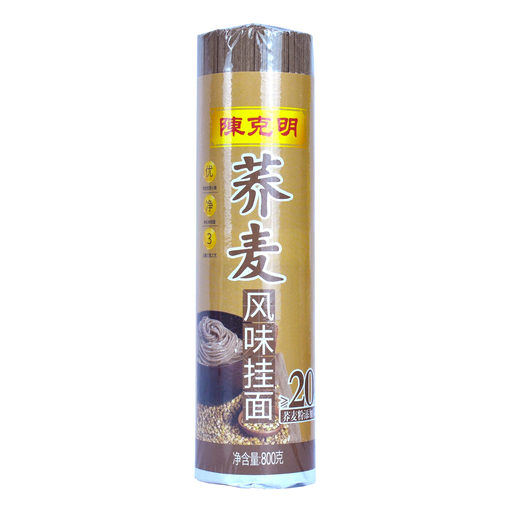
Why this product suits this profile: The 800 g family pack is suitable for households that regularly prepare noodles for soup and stir-fries, as well as cold noodle dishes.
The buckwheat content of at least 20% is stated. Wheat and wheat gluten are also listed as ingredients or allergens.
800 g contents, at least 20% buckwheat flour and an additional 3% yam powder according to the product description.
We have put together a complete, regularly updated list of products that fully meet these strict selection criteria and the safety regulations applicable in the EU.
Buckwheat noodles are cooked in plenty of boiling water. Start by following the stated cooking time, such as 3 to 5 minutes for several YunShanBan products or 5 to 7 minutes for Wheatsun. A quick bite test helps prevent the noodles from becoming too soft.
For cold soba noodles:
For stir-fries, the noodles should not be cooked until completely soft, as they will continue cooking in the pan. For soups, they can either be added directly to the stock or cooked separately, depending on the pack instructions.
Not automatically. Many Japanese soba noodles and Chinese buckwheat noodles contain wheat flour or wheat gluten. Check the allergen labelling and only choose products with clear gluten-free labelling if this is required for health reasons.
The specific best-before date is shown on the packaging. Unopened packs should be stored in a cool, dry place away from direct sunlight. Once opened, a tightly sealed container is recommended to prevent moisture from getting in.
That depends on the recipe. The products listed contain approximately 287 to 360 kcal per 100 g of dry weight. Comparisons should therefore be based on the nutrition table, portion size and sauce used. Terms such as “low fat” refer only to the fat content and do not automatically describe the meal as a whole.