
Lieferung heute & morgen

Qualitätsgarantie

Willkommens-Angebote freischalten: KOSTENLOSE Lieferung | Bis zu 80 % RABATT | Kostenlose 30-Tage-JoyPlus-Testphase
App herunterladen
The selection of building blocks is immense, ranging from simple wooden blocks for toddlers to complex model-building kits for adults. However, this variety can also lead to uncertainty. Not every set delivers on its promise, and appealing packaging often hides products that cause more frustration than joy. As your Joybuy Product Recommendation Officer, I'll help you recognise the common pitfalls and make an informed decision.
Before you invest, you should be aware of the most common issues that can lead to a bad purchase.
To avoid these pitfalls, focus on objective and verifiable criteria. These three parameters are crucial for quality and long-term value.
The material is the foundation of safety and durability. Look for clear manufacturer specifications and recognised safety standards.
The way the blocks hold together determines the stability and creative possibilities.
A good building set should challenge without overwhelming. The purpose of the toy should match the user's developmental stage.
To make your decision easier, we have compiled products for three typical user groups that meet the criteria mentioned above.
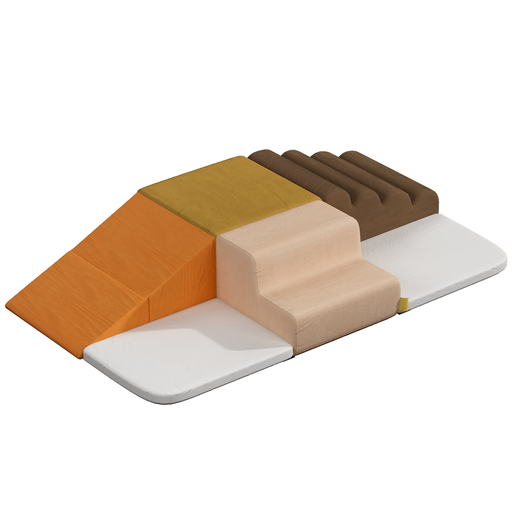
Why It's a Great Fit: Ideal for early motor skill development. The large, soft blocks minimise the risk of injury and are light enough for small children to climb, stack, and build. Perfect as a safe indoor playground.
The set avoids the danger of hard edges and small, swallowable parts. The EN71 certification confirms compliance with strict toy safety standards.
The cover is removable and machine-washable, allowing for easy and hygienic maintenance. The non-slip base ensures stability during play.
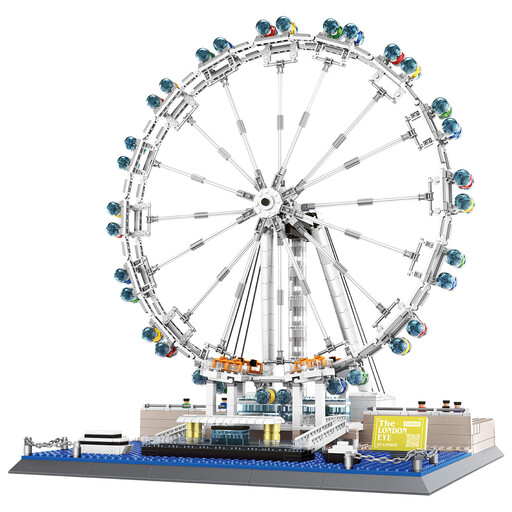
Why It's a Great Fit: A challenging building set for adults and collectors that recreates a detailed landmark. It serves as a relaxing hobby and becomes a decorative display piece upon completion.
This set avoids the trap of oversimplification. With 1528 pieces and a detailed rotating function, it offers the complexity that experienced builders expect.
The parts are made of high-strength ABS plastic, ensuring a stable and movable final construction. The finished model is an eye-catching piece for any office or living room.
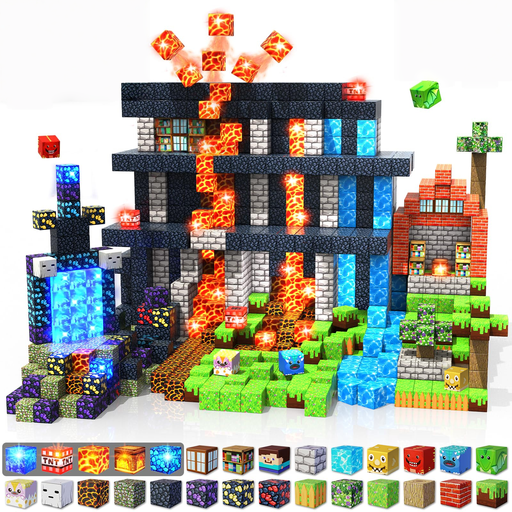
Why It's a Great Fit: Encourages free, creative building and collaborative play. The combination of classic magnetic cubes and unique light-up blocks stimulates the imagination and allows for countless constructions.
Unlike sets with a single set of instructions, this product offers the freedom of open-ended play. The high piece count prevents creative possibilities from being quickly exhausted.
The set is made from non-toxic materials, and the 24 light-up blocks add an innovative component that enhances the play experience and allows for visually appealing models.
We have compiled a complete, up-to-date list of products that fully meet these strict selection criteria and UK/EU safety regulations.
Look for the CE mark on the packaging, which confirms that the product meets EU safety requirements. Even more telling is the explicit mention of the EN 71 standard. Also, check the material specifications and the finish for any sharp edges or loose parts. For products intended for children under three, the manufacturer must ensure they do not contain any small parts that can be swallowed.
Many manufacturers advertise that their blocks are compatible with those of other well-known brands. In practice, however, manufacturing tolerances can lead to differences in clutch power. For simple building projects, combining them is often possible without issue. For complex, stable models, it is advisable to stick with blocks from a single manufacturer or system to ensure an optimal fit and stability.
Most manufacturers recommend magnetic blocks for children aged 3 and up. The reason for this is the potential hazard from small parts if a block becomes damaged and the small magnets are exposed. It is crucial that the magnets are securely welded inside the plastic casing. Adult supervision is recommended, especially with younger children, to ensure safe use.