
Lieferung heute & morgen

Qualitätsgarantie

Willkommens-Angebote freischalten: KOSTENLOSE Lieferung | Bis zu 80 % RABATT | Kostenlose 30-Tage-JoyPlus-Testphase
App herunterladen
Building blocks for children are among the most versatile toys for use at home, in nurseries, kindergartens and educational settings. They can be used for stacking, building, climbing and imaginative role play. However, unclear age recommendations, missing details about what’s included and materials that are difficult to clean often lead to disappointing purchases.
Foam building blocks for children and extra-large soft building blocks are often used for active play. But a soft surface isn’t the only thing that matters. You should also look for:
A soft play set without non-slip features may shift during climbing or crawling. Loose-fitting covers can also create trip hazards.
Building blocks for children aged 12 months and over aren’t automatically suitable for every play situation. For example, wooden building blocks for toddlers should not contain small parts that could be swallowed, and should be an appropriate size for young children. For building blocks for children aged 3 and over, check whether they contain small individual parts and whether close supervision is required.
Particularly creative construction toys may contain lots of small components. Read the age recommendation and safety instructions before buying, not after unpacking.
Product images often show several different ways to build with the pieces. That doesn’t necessarily mean that all the accessories pictured are included. When comparing products, check:
For example, the balls are not included with the soft play set with ball pit described here and must be bought separately.
For foam building blocks, high-density foam, a durable outer cover and a skin-friendly finish are important features to look for. A fabric cover can be practical for regular use if it’s removable and machine washable.
The standards EN 71-1, EN 71-2 and EN 71-3 cover areas including mechanical properties, flammability and certain chemical requirements. They don’t replace checks by an adult. After unpacking, inspect the product for tears, open seams and damaged fastenings.
Pay close attention to how brand safety claims are worded. According to the product information, the BanaSuper sets are described as complying with these parts of EN 71 as well as Toy Safety Directive 2009/48/EC. This is a product feature stated by the supplier, not a general claim about every item in this category.
Extra-large soft building blocks need plenty of clear floor space. For children’s climbing blocks, choose a level surface and remove hard edges, furniture and slippery rugs from the immediate play area. In childcare and educational settings, also consider how many children will be playing at once and where the pieces will be stored afterwards.
Wooden building blocks usually take up less space, but are better suited to quieter play on the floor or at a table. Foam pieces, on the other hand, can also be used to create a crawling, climbing or sliding course.
Washable building blocks are particularly practical for babies and toddlers. Clean removable covers according to the manufacturer’s instructions. Before washing, check whether zips need to be fastened and hook-and-loop fastenings need to be protected.
Vacuum-packed foam products often need time to regain their intended shape. For the BanaSuper sets listed below, an expansion time of up to 24 to 48 hours is specified. Only then should you assess the shape, firmness and connecting pieces.
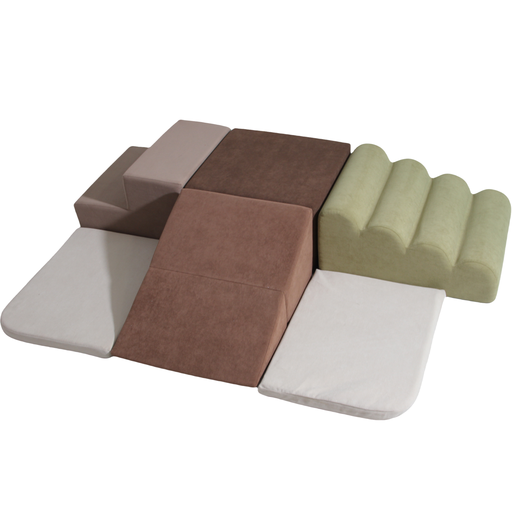
Why this product suits this type of buyer: This six-piece set is ideal for families looking for a compact indoor play system for building, crawling and climbing.
According to the product description, key pieces have a non-slip base, concealed zips and hook-and-loop fastenings.
Removable, machine-washable covers and six foam pieces for a variety of layouts.
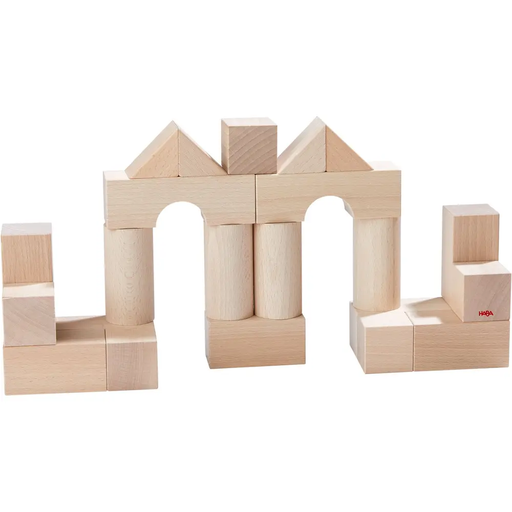
Why this product suits this type of buyer: This set is designed for families and settings that prefer classic building with wooden blocks that hold their shape.
The age recommendation of 12 months and over and the clearly listed contents make it easier to check the details before buying.
Includes cubes, cuboids, triangles, bridges and round columns made from beech wood.

Why this product suits this type of buyer: The 2-in-1 design is suitable for families, nurseries or group playrooms with space for movement and sensory play.
The “No Ball” note makes it clear that balls for the ball pit need to be bought separately.
Machine-washable covers and a design comprising climbing pieces and a separate ball-pit base.
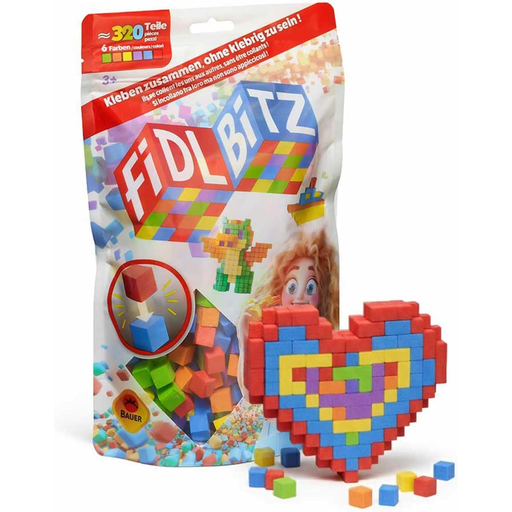
Why this product suits this type of buyer: This set, suitable for children aged 3 and over, is designed for making 2D and 3D shapes from lots of small pieces.
The warning about small parts and the recommendation for close supervision are clearly stated.
Around 320 colourful cubes that connect without glue; no batteries required.
We’ve put together a complete, regularly updated list of products that meet these strict selection criteria and fully comply with the safety regulations in force in the EU.
First unpack vacuum-packed pieces completely and spread them out on a flat surface. Depending on the product, it may take 24 to 48 hours for them to regain their intended shape. Only then should you check the seams, covers, zips, hook-and-loop fastenings and base.
Their lifespan depends on the material, how heavily they’re used, how they’re stored and how well they’re cared for. Regularly checking for tears, loose seams or damaged connections is more important than relying on a general estimate in years. For washable building blocks, follow the manufacturer’s care instructions to avoid putting unnecessary strain on covers and fastenings.
Playing with the set usually doesn’t use any electricity. However, ongoing costs may include balls bought separately, replacement covers, cleaning products or extra storage space. Before buying, check whether accessories are included and which parts are machine washable or available to order separately.