
Lieferung heute & morgen

Qualitätsgarantie

Willkommens-Angebote freischalten: KOSTENLOSE Lieferung | Bis zu 80 % RABATT | Kostenlose 30-Tage-JoyPlus-Testphase
App herunterladen
Building blocks are among the toys that can keep children interested for a long time. A set can be stacked, rebuilt, sorted and combined with pieces they already have. However, a large box doesn’t automatically mean it’s the right purchase. The key things to consider are the recommended age, size of the pieces, material, storage and how the pieces connect.
This buying guide helps parents, grandparents, family members, nurseries and educational settings compare construction toys objectively and avoid common buying mistakes.
A high piece count can look appealing at first glance. However, it doesn’t tell you whether a child can use the pieces to build a wide variety of models. Different shapes, useful extras such as wheels or windows, and clear instructions all matter. With magnetic building blocks, you should also consider whether the pieces can make sturdy flat surfaces and three-dimensional structures.
Magnetic building blocks for children aged 3 and over and traditional interlocking bricks can contain small parts. The age recommendation isn’t just a minor selling point; it’s an important factor when choosing a set. Children under three should not use products containing small parts or magnets. Direct adult supervision is also advisable for children aged three and over, especially during their first few play sessions.
Loose building blocks can quickly get scattered around a child’s bedroom or a group playroom. A storage box or sturdy bag makes sorting easier and helps prevent individual pieces from going missing. It’s also worth checking before you buy whether the set is compatible with building blocks you already own. This can extend its usefulness without the need to buy another large set straight away.
For plastic sets, the product description should clearly state the material, such as ABS plastic. Smooth, rounded edges are a practical advantage for everyday play. For wooden building blocks, check the type of wood, the finish and any information about small parts. Claims such as ‘non-toxic’ should ideally be backed up with specific safety or compliance information from the manufacturer.
For magnetic sets, the construction of the magnet compartments is particularly important. According to the relevant suppliers’ product information, magnets are sometimes sealed inside the plastic using ultrasonic welding. This doesn’t replace checking the toy before every use: if there are cracks, loose magnets or damaged pieces, stop using the toy.
Small standard bricks offer plenty of construction possibilities, but can be more challenging for younger children. Larger magnetic tiles are easier to grip and connect. So check:
LEGO Classic bricks offer a wide range of traditional shapes and colours. Magnetic building blocks, on the other hand, use tiles that attach directly to one another. Wooden building blocks are often suitable for free-form stacking and balancing. None of these options is automatically right for every child.
Sets containing magnets call for clear safety precautions: magnets must not be swallowed. If you suspect that a magnet has been swallowed, seek medical help immediately. Pieces should also be kept out of the mouth and checked regularly for damage.
A soft cloth is enough to clean many plastic sets. Always follow the relevant manufacturer’s instructions. Water, harsh cleaning products and high temperatures can damage the material or magnetic elements.
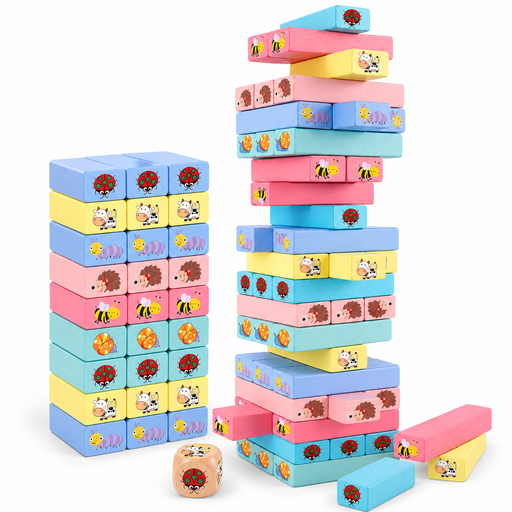
Why this product suits this profile: This wooden set includes 51 pieces, including dice, and offers a straightforward introduction to stacking, balancing and sorting games for children aged 3 and over.
The number of pieces comes with clear ways to play: building, sorting, balancing and rolling the dice. There’s no need to check for magnets.
51 wooden pieces, animal designs and dice; stated by the product information as suitable for children aged 3 and over.
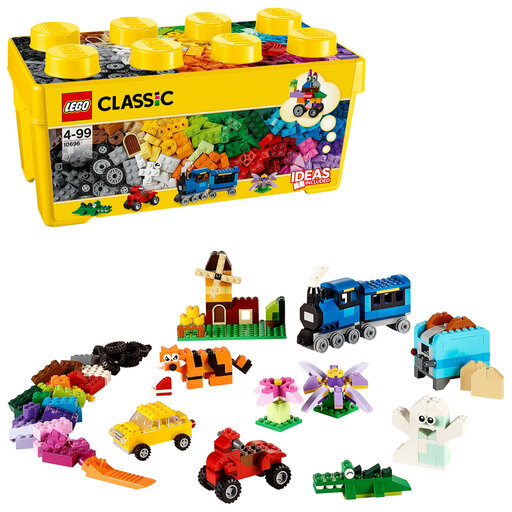
Why this product suits this profile: The box contains 484 pieces in a range of colours, including wheels, windows, eyes and baseplates. According to the product information, it’s designed for children aged 4 and over.
The wide choice of traditional shapes means children aren’t limited to just one model or theme. The plastic box helps keep everything neatly stored.
484 pieces, 35 colours, baseplates and a storage box; compatible with other LEGO Classic bricks.
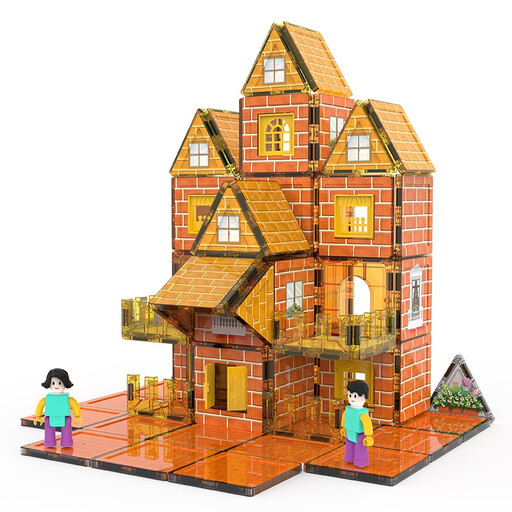
Why this product suits this profile: This set is designed for building houses and villas, and includes 81 magnetic pieces and a storage bag.
The product information specifies how the magnets are sealed, recommends the set for children aged 3 and over, and includes clear warnings. However, any damaged pieces must still be removed from use immediately.
7.5 cm pieces, a villa theme and a storage bag; according to the supplier, compatible with other 7.5 cm systems.
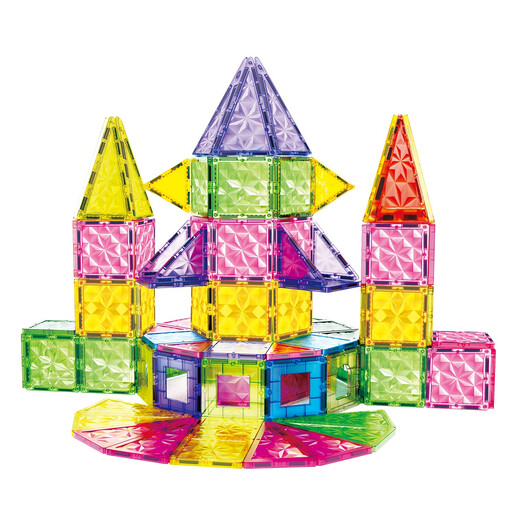
Why this product suits this profile: The larger number of pieces makes it possible to create more extensive 2D and 3D constructions. A storage system makes the set easier to use at home, in educational settings or when travelling.
The set combines a high piece count with a variety of shapes and a storage bag. The warnings about magnets and small parts remain important when supervising play.
117 pieces, a 7.5 cm format and storage options; according to the supplier, compatible with widely used magnetic construction systems.
We’ve put together a complete, regularly updated list of products that meet these strict selection criteria and the safety requirements in force in the EU.
Choose sets that the manufacturer states are suitable for children aged 3 and over, and make sure they contain no damaged pieces. Parents should pay particular attention to the warnings supplied with magnetic building blocks. For children who still often put things in their mouths, a set with larger pieces and no accessible magnets is a sensible choice.
How long a set stays in use depends less on the total number of pieces than on the variety it offers. Different shapes, colours and extra pieces open up new building ideas. Creative construction sets with open-ended play possibilities can be used for longer than sets designed to make just one model. Keeping everything sorted helps you make full use of the pieces you have.
Building blocks can make a good gift for children when you take their age, interests and existing sets into account. Smaller wooden sets or larger magnetic sets can be a good choice for younger beginners. Children with building experience often benefit from larger sets with baseplates, special pieces or options to expand. For nurseries, you should also check that the number of pieces, storage arrangements and supervision plan are suitable for group play.