
Lieferung heute & morgen

Qualitätsgarantie

Willkommens-Angebote freischalten: KOSTENLOSE Lieferung | Bis zu 80 % RABATT | Kostenlose 30-Tage-JoyPlus-Testphase
App herunterladen
As a Joybuy Product Recommendation Officer, I see the vast diversity of the children's toy market every day. Especially when it comes to building blocks for children, the selection is huge, which can make the decision difficult. Many products promise to support development, but not all deliver on that promise. This guide will help you navigate the common pitfalls and make an informed choice that truly brings joy to the child and ensures their safety.
Before choosing a set, you should be aware of the common marketing promises and hidden flaws that often lead to disappointment.
To avoid a bad purchase, you should check three central aspects. These criteria will help you objectively evaluate the quality and suitability of building blocks.
The material is the foundation for safety and durability.
Safety is non-negotiable. The CE mark confirms that the product meets basic EU requirements. Even more telling is conformity with the European toy safety standard EN 71. This standard regulates, among other things:
Strictly adhere to the manufacturer's age recommendation. Building blocks for ages 1 and up are specifically designed for the motor skills and safety needs of this age group.
A good set of building blocks fosters creativity through a variety of shapes. In addition to classic cuboids and cubes, cylinders, bridges, and triangles also stimulate the imagination. For long-lasting fun, compatibility with other sets is also an advantage. This allows the motor skills toy to grow with the child and be continuously expanded.
Based on the criteria mentioned, we have put together some products for different needs and age groups.
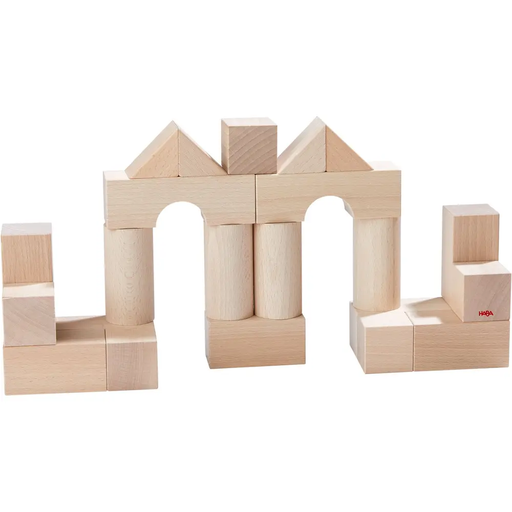
Why This Fits Their Persona: Ideal for a toddler's first building attempts. The classic shapes and high-quality beech wood construction provide a safe and tactilely engaging foundation for developing fine motor skills.
This set avoids the "wrong size" pitfall, as the blocks are designed for children 12 months and older. The beech wood and German manufacturing address concerns about material quality.
Made from solid beech wood; includes a variety of basic shapes (cubes, cuboids, bridges, columns) for creative, open-ended play.
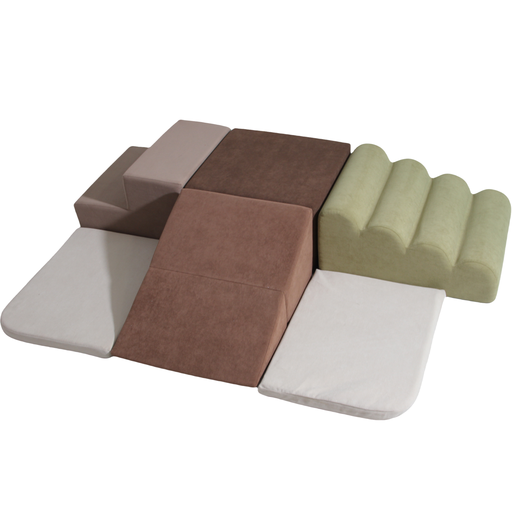
Why This Fits Their Persona: Perfect for families looking to create a safe indoor play area for active climbing, crawling, and building. This set serves as a Montessori toy that promotes gross motor skill development.
It addresses safety concerns with its EN 71 certification, a non-slip base, and hidden zippers. The washable covers solve the hygiene problem common with large toys.
Promotes motor skill development and creativity; the covers are machine washable for easy cleaning.
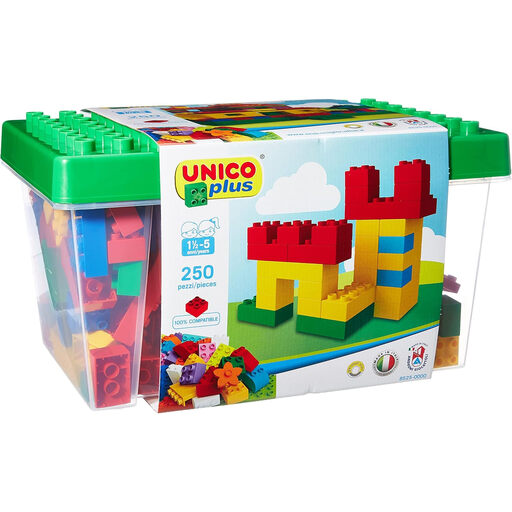
Why This Fits Their Persona: For parents seeking a large set of classic interlocking blocks that offers long-lasting play value and is expandable with other systems, without breaking the bank.
The clear age recommendation (18 months - 5 years) and the child-friendly size of the blocks prevent frustration and safety risks. Its compatibility with other brands bypasses the "closed system" trap.
A large quantity of 250 pieces for countless building options; compatible with blocks from other major manufacturers.
We have compiled a complete, up-to-date list of products that fully meet these strict selection criteria and safety regulations.
Simple, large wooden blocks or soft foam blocks are often suitable from as early as 12 months. They promote grasping, stacking, and hand-eye coordination. More complex systems like interlocking blocks or magnetic blocks with smaller parts are generally recommended for children aged three and up, as their fine motor skills are more developed and the risk of swallowing is lower.
The most important identifier in the EU is the CE marking. It is a self-declaration by the manufacturer that the product complies with applicable EU directives. Additionally, you should look for conformity with the EN 71 standard, which sets specific safety requirements for toys. For products from outside the EU, it is particularly important to ensure there is a responsible importer within the EU.