
Lieferung heute & morgen

Qualitätsgarantie

Willkommens-Angebote freischalten: KOSTENLOSE Lieferung | Bis zu 80 % RABATT | Kostenlose 30-Tage-JoyPlus-Testphase
App herunterladen
The selection of building toys for kids is vast, and manufacturers' promises are often grand. But not every colourful set delivers on its promise. As a Joybuy Product Recommendation Officer, I see daily which products bring long-term joy and which ones quickly end up collecting dust in a corner. This guide helps you navigate common purchasing pitfalls and make an informed decision that truly supports your child's development.
Many parents invest in an expensive educational toy assuming it's automatically a good choice, only to find it goes unused. Before you make a purchase, you should be aware of the three most common traps:
To avoid these traps, you should focus on objective criteria. Three parameters are crucial when selecting building toys.
The most important label for toys in the EU is the EN 71 standard. It regulates toy safety and is divided into several parts. For you as a buyer, these aspects are particularly relevant:
For motor skills toys for toddlers, also look for saliva-resistant paints, and for foam building blocks, ensure they have a shape-retaining, high-density foam core.
A good building toy challenges without overwhelming. The type of construction must match the child's developmental stage:
Some toys become uninteresting after being built once. Look for systems that can be reconfigured again and again. Modular kits that can be expanded, or blocks that can be used not only for building towers but also for creating caves or an entire indoor home playground, offer significantly higher and more lasting play value.
Based on these objective criteria, we have identified some products that are particularly well-suited for different age groups and needs.
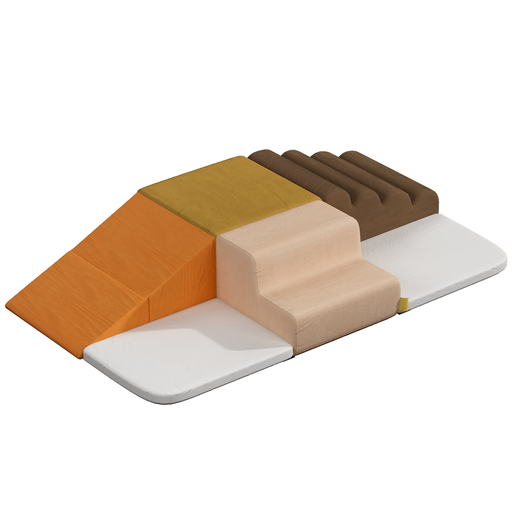
Why This Fits Their Persona: Ideal for toddlers developing their gross motor skills by climbing, crawling, and building simple, large structures. The soft material minimises the risk of injury.
Made of high-density, shape-retaining foam that holds its form even with intensive use—unlike cheap alternatives. The removable and washable covers solve the hygiene issue.
Promotes gross motor skills and creativity. The non-slip base and Velcro connectors ensure stability. Meets the EN71 safety standard.
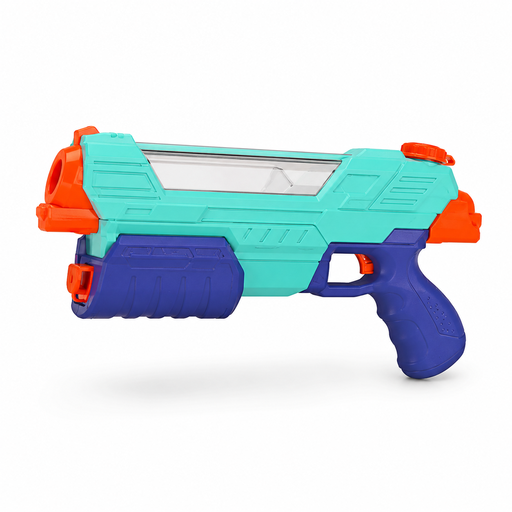
Why This Fits Their Persona: Perfect for preschoolers who want to train their fine motor skills and develop an initial understanding of mechanics. Taking it apart and reassembling it with tools is fun and promotes concentration.
Offers a clear, achievable goal (building a dinosaur), avoiding the frustration of abstract construction sets. The child-friendly tool fits perfectly and works reliably.
Combines construction with imaginative role-playing. The included storage case prevents small parts from getting lost—a practical detail for everyday family life.
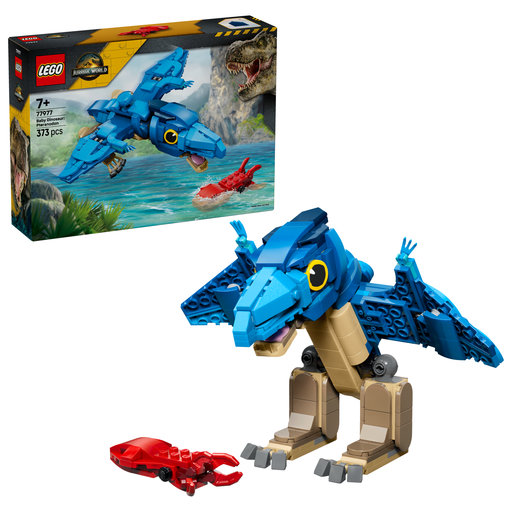
Why This Fits Their Persona: For school-aged children who enjoy following detailed instructions to create a sophisticated model. The finished product is suitable for both play and as a decoration in their room.
The high precision of LEGO bricks prevents the frustration that comes with cheap knock-offs and ill-fitting parts. The building instructions are clearly structured and available digitally via the LEGO Builder App.
Fosters patience and the ability to follow multi-step instructions. The finished model is interactive with movable joints (jaw, head, wings) and offers long-lasting play and display value.
We've compiled a complete, up-to-date list of products that fully meet these strict selection criteria and relevant safety regulations.
Look for the CE mark on the packaging, which confirms conformity with EU directives. Reputable manufacturers often explicitly state the standards they meet (e.g., EN 71-1, -2, -3). Purchase from trusted retailers who assume product liability and provide transparent manufacturer information.
Plastic building blocks like LEGO can be cleaned in a pillowcase or laundry net at a low temperature (max. 40°C / 104°F) in the washing machine. For foam building blocks with removable covers, the covers can be machine-washed according to the care instructions. The foam cores themselves should only be wiped with a damp cloth and allowed to air dry thoroughly.
The manufacturer's age recommendation is a good guideline. It's based not only on complexity but also on the average attention span and frustration tolerance of that age group. A child who shows high concentration and patience early on may be able to start with more complex sets a bit sooner. Observe your child: do they enjoy building according to instructions, or do they prefer free, creative building? The answer will help you choose the right set.