
Lieferung heute & morgen

Qualitätsgarantie

Willkommens-Angebote freischalten: KOSTENLOSE Lieferung | Bis zu 80 % RABATT | Kostenlose 30-Tage-JoyPlus-Testphase
App herunterladen
A new fridge-freezer is a significant investment for any household. But the market is flooded with tempting offers and technical jargon that can make an informed decision difficult. As your Joybuy Product Recommendation Officer, I'm here to help you navigate the common pitfalls and find an appliance that truly fits your needs.
Many buyers focus on price or flashy marketing claims, overlooking crucial details that make a difference in daily use. Before you buy a refrigerator, you should be aware of these three common mistakes:
To make a choice you'll be happy with long-term, you should focus on a few essential technical features. These form the basis for efficiency, convenience, and durability.
Since 2021, the new EU energy label with classes from A (very efficient) to G (less efficient) has been in effect. However, don't be guided by the letter alone. The crucial figure is the annual energy consumption in kilowatt-hours (kWh/annum), which is also listed on the label. A large Class C appliance can consume more electricity than a smaller Class D one.
A fridge-freezer with an Energy Efficiency Class E rating often represents a good balance between purchase price and running costs, especially for models with moderate capacity. Always compare the absolute kWh value to estimate the actual operating costs.
Manually defrosting the freezer compartment is tedious and energy-intensive. Modern appliances offer solutions for this:
Measure the available space in your kitchen precisely before deciding on a design. Be sure to plan for sufficient clearance from the wall and other furniture for ventilation.
As a rule of thumb for usable capacity:
Instead of presenting an overwhelming list, we have selected models that meet specific requirements and avoid the pitfalls mentioned.
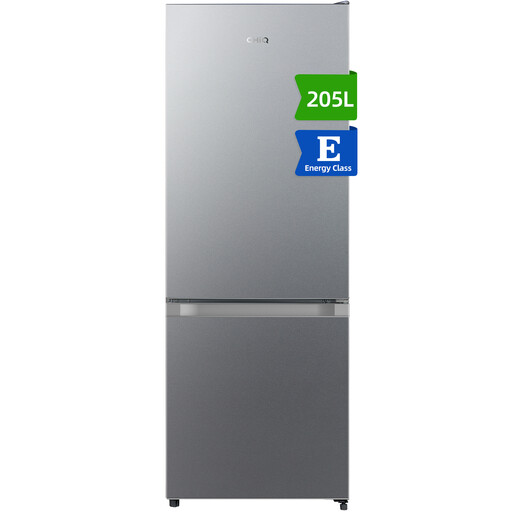
Why it's a great fit: Ideal for a first apartment, as a second appliance, or for households with limited space. It focuses on core functions without costly extras, offering solid value for money.
Instead of promoting exaggerated smart features, this model offers a clean, functional layout and Low-Frost technology, which significantly reduces the maintenance effort compared to older appliances.
Its compact 54 cm width fits even in smaller kitchens. The reversible door hinge provides additional flexibility during installation.
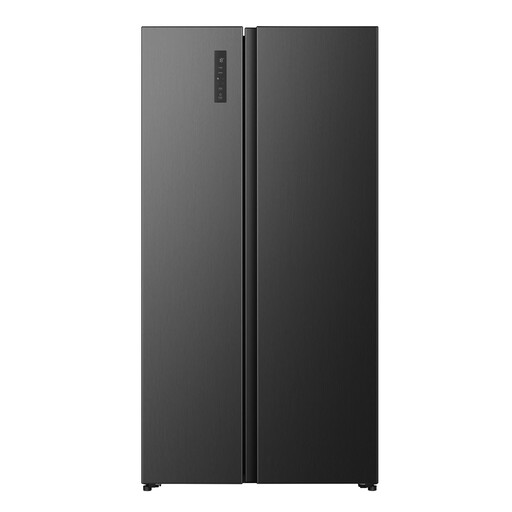
Why it's a great fit: This Side-by-Side Refrigerator offers an enormous 544 litres of storage, perfect for a family's weekly shop. The layout provides quick access to frequently used items in both the fridge and freezer sections.
The Total No Frost technology completely prevents ice build-up, making manual defrosting obsolete. The inverter compressor ensures quieter and more consistent operation than conventional models.
A very large usable capacity of 544 litres and a Multi-Air-Flow system for even temperature distribution, which helps keep food fresh.
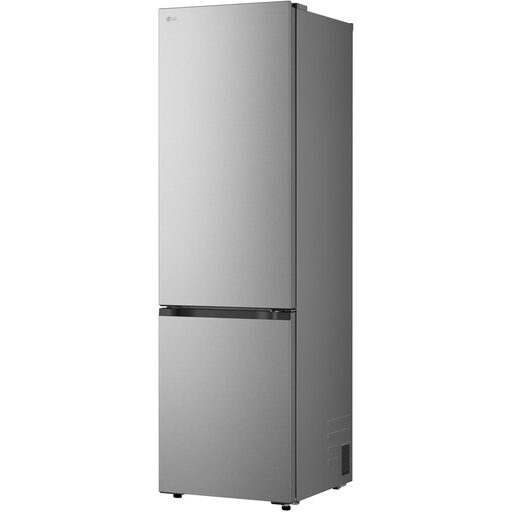
Why it's a great fit: This LG refrigerator is perfect for modern, open-plan kitchens where an extremely quiet and exceptionally energy-efficient appliance is required. Its smart features are designed for energy savings and optimal food preservation.
The AI functions are practical and aim to reduce energy consumption rather than being mere gimmicks. At just 29 dB, the appliance is extremely quiet, avoiding the noise disruption that is a problem with many models.
Outstanding Class A energy efficiency and extremely quiet operation. The DoorCooling+ technology ensures fast and even cooling, right to the door area.
We have compiled a complete, up-to-date list of products that fully meet these strict selection criteria and UK safety regulations.
The average lifespan of a modern fridge-freezer is about 10 to 15 years. The actual duration heavily depends on the quality of the compressor, the intensity of use, and regular maintenance. Models with an inverter compressor often have a longer lifespan because the motor runs more consistently with less wear and tear.
No Frost is an air circulation system that actively reduces humidity in the freezer compartment and vents it outside. This prevents ice from forming on the interior walls or on frozen goods. The benefits are clear: manual defrosting is completely eliminated, the appliance operates with consistent energy efficiency, and food items don't stick together.
Consumption depends heavily on the size and features of the appliance. A fridge-freezer with an Energy Efficiency Class E rating can consume between approximately 220 and 320 kWh per year, depending on the model and capacity. It is therefore essential to compare the annual consumption (in kWh/annum) stated on the energy label, as this figure provides a more accurate estimate of running costs than the efficiency class alone.