
Lieferung heute & morgen

Qualitätsgarantie

Willkommens-Angebote freischalten: KOSTENLOSE Lieferung | Bis zu 80 % RABATT | Kostenlose 30-Tage-JoyPlus-Testphase
App herunterladen
Choosing a new built-in hob and oven is a major decision for any kitchen. However, with countless models and features, it's easy to fall into common traps that lead to frustration and unnecessary expense. As your Joybuy Product Recommendation Officer, I'll help you separate marketing hype from genuine benefits and find the right appliances for your needs.
Before we dive into the technical details, let's look at three common poor decisions that buyers often regret:
To avoid a bad purchase, focus on the following three core aspects. These are the primary determinants of the functionality, safety, and convenience of your new kitchen appliances.
The choice of heating technology is fundamental. Both variants have a smooth surface and are often operated via a hob with touch controls, but their operating principles are fundamentally different.
A self-cleaning oven saves you a lot of work. The two most common systems are pyrolysis and hydrolysis.
The flexibility of your kitchen layout depends on the design of the appliances.
Here are some recommendations tailored to different needs and households, specifically avoiding the pitfalls mentioned earlier.
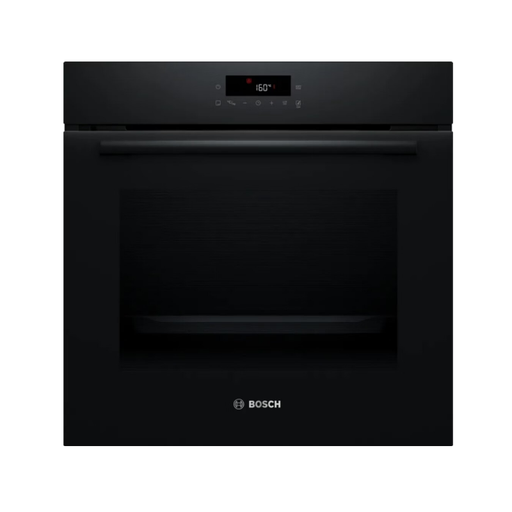
Why it's a great fit: Ideal for families and anyone who frequently cooks and bakes, valuing time savings and effortless cleaning. The brand is synonymous with reliable Bosch built-in appliances.
The pyrolytic self-cleaning feature completely solves the problem of high-effort cleaning. The 10 automatic programmes (AutoPilot 10) are a genuinely useful function that delivers consistent results, rather than being a mere gimmick.
Pyrolysis for minimal cleaning effort; 3D Hot Air for even baking results on up to three levels simultaneously.

Why it's a great fit: For anyone looking to upgrade from ceramic to modern induction technology without needing a premium budget.
This hob offers the speed and energy efficiency of induction, avoiding the fallacy of sticking with less efficient ceramic technology for cost reasons. It focuses on core functions like Boost and a timer, without inflating the price with rarely used smart features.
Efficient induction technology with 9 power levels and a Boost function; offers excellent value for money for an entry into induction cooking.
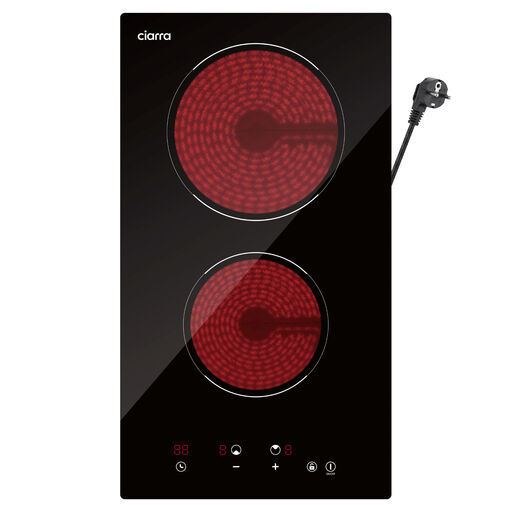
Why it's a great fit: Perfect for single apartments, small kitchenettes, or as a supplement to an existing cooking surface where space is limited.
The compact 30cm domino hob format prevents the purchase of an oversized, space-consuming appliance. It provides essential cooking functions in the smallest footprint and, as a standalone unit, is flexible to install.
Space-saving 30cm format with two cooking zones; simple touch controls and 9 power levels for precise temperature control.
We have compiled a complete, up-to-date list of products that fully meet these strict selection criteria and German safety regulations.
1. Can I combine a standalone hob and an oven from different manufacturers? Yes, that is the main advantage of standalone appliances. Since each device has its own controls and power connection, you can freely mix and match models and brands. Just make sure that the installation dimensions fit your kitchen cabinets and that the electrical connections are professionally installed by a qualified person.
2. What is the essential difference between a ceramic and an induction hob? In short: the method of heat generation. A ceramic hob heats the glass surface, which then transfers the heat to the pot—this is slower, and the plate stays hot for a long time. An induction hob uses a magnetic field to generate heat directly in the base of the pot. This is faster, more energy-efficient, and safer, as the hob surface itself barely gets hot. However, you will need magnetisable cookware for induction.
3. Is an oven with pyrolytic self-cleaning worth the extra cost? That depends on your cooking habits. If you use the oven frequently, especially for roasts or dishes with a lot of grease splatter, pyrolysis is a huge time and labour saver that can justify the extra cost. For those who only use the oven occasionally for simple dishes like pizza or casseroles, a model with hydrolysis support or one that requires manual cleaning may be sufficient.